


The house in Brazil

September 7, 2019

Studio AG Arquitetura realised the project of a house, located in the city of São Paulo for a young couple.

Its terrain, narrow and long, 10m x 30m, was deployed in such a way as to make the most of the space as possible. The upper volume of the residence appears as a rereading of the traditional houses, with their design in gable roof, respecting the language of the adjacent houses of the neighborhood. The facade, made of metal profiles, coated on the front and back, by a laminated high pressure plate, who has a high durability.

Starting from a preexisting context, the search for the new / unusual was the strong point of the project. With contemporary architecture, it uses classic and modern elements, forming a mix of style, which balances two points, beauty and comfort. With an extensive program, its distribution offers three decks, plus the rooftop.

On the ground floor was configured the social area of the house. A lowered-roof block, clad in expanded metal mesh houses the kitchen, laundry area and open living room with direct access to the garden. In addition to a loose volume that houses the gourmet area and the sauna, which does not compete with the main structure of the house, keeping the top volume highlighted. The kitchen, has pivoting doors that run on a rail, isolating it completely on days of events, and the lighting is projected by a tensioned liner on the bench.

Another point in evidence in the house is the side gable in apparent concrete, where a metal sheets has been encrustade in the wall forming a ladder, and is set in a way to bring light from the access door of the solarium to the lower floors. The cellar was created from holes made in the concreting wall, detailing the importance of the bar to the residents, who receive frequently. The closure between the horizontal planes is made with large glass sheets, which dilutes the visual boundaries between the house and the landscape. The vertical garden was created on the side wall and on the back wall, to harmonize the garden of the house next door.

The second floor houses the intimate area of the house, consisting of three suites and an intimate room. On this floor, the idea of full and empty was explored, explored through features that evidence the influence of natural light throughout the day in the environments. The internal garden, in the intimate room, brings the green to the interior of the house and provides privacy to the back facade, as well as subtly illuminating the main room.

Folding windows filter the light from the side-facing rooms and the master suite overlooks the back garden. The sloping roof was designed asymmetrically for the use of the solarium - a space of contemplation of the treetops, where the ridge of the facade reaches the maximum height allowed in the legislation.

The swimming pool was the highlight of the project. Implanted in a mandatory 1.50m back-off on one side of the house, it optimizes the space that would initially be rendered useless. The subsoil houses the garage and technical area of the house.

www.studioag.arq.br

SHARE THIS

 Contribute

G&G _ Magazine is always looking for the creative talents of stylists, designers, photographers and writers from around the globe.

WRITE US

 Find us on

Latest News

G&G _ Magazine explored the answers through conversations with the people who make, shape and rethin
By Zhanna Lysohorova • October 26, 2026
Before launching the next collection, presenting the next innovation or filling another empty space, Tallinn Design Festival invited us to ask a more uncomfortable question. G&G _ Magazine explored the answers through conversations with the people who make, shape and rethink design.
By G&G _ Magazine • October 20, 2026
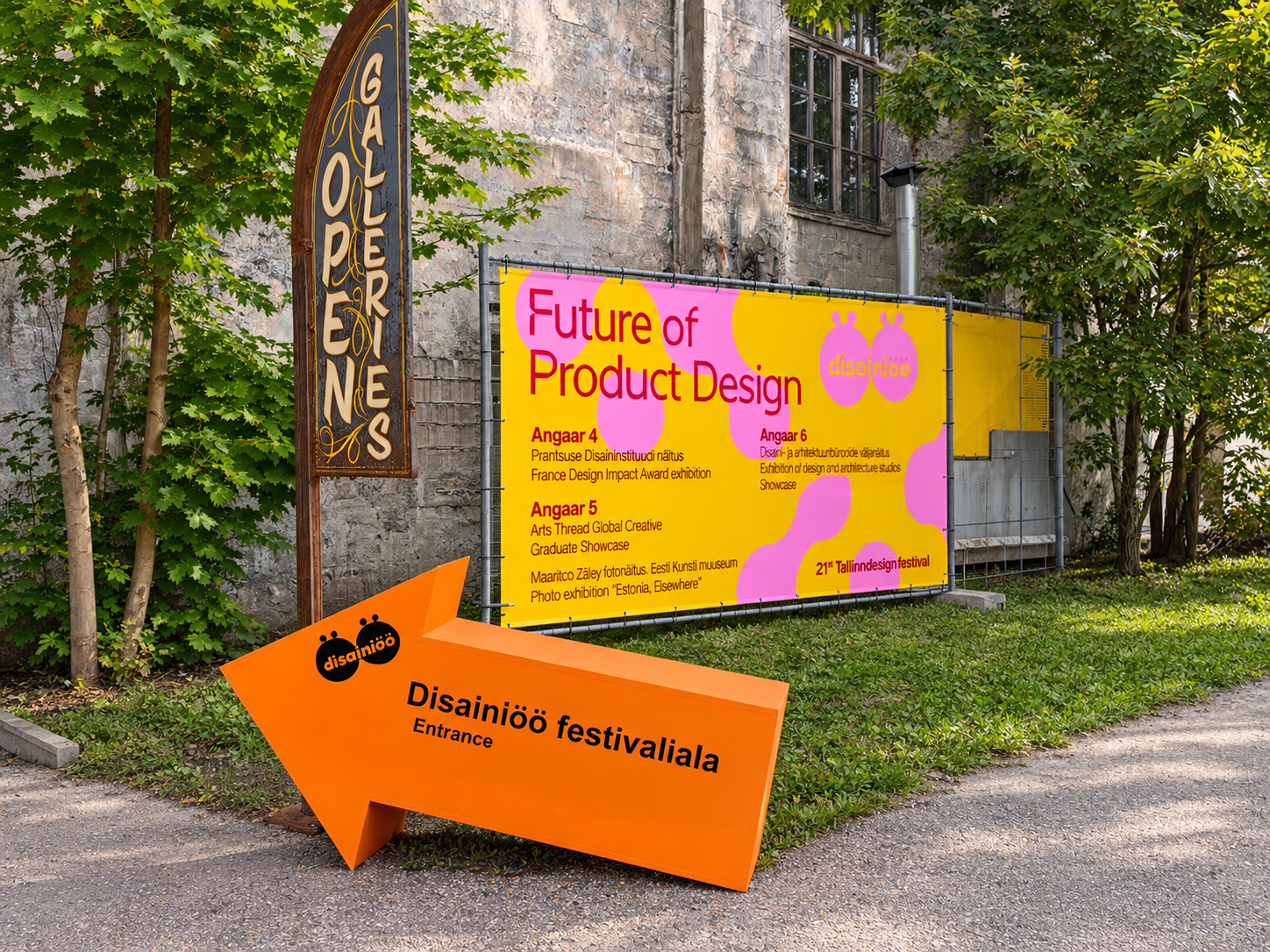
The 21st edition of Tallinn Design Festival , held from 28 September to 4 October 2026, offered a rich illustration of a design scene that extends far beyond the object, and beyond the walls of a single venue. Under the theme Future of Product Design , the festival explored how sustainability, adaptability, technological change and material awareness can inform the next generation of products and services.
Maison Margiela Expands Design and Architectural Vision with Launch of its Residences, Dubai
By G&G _ Magazine • October 12, 2026
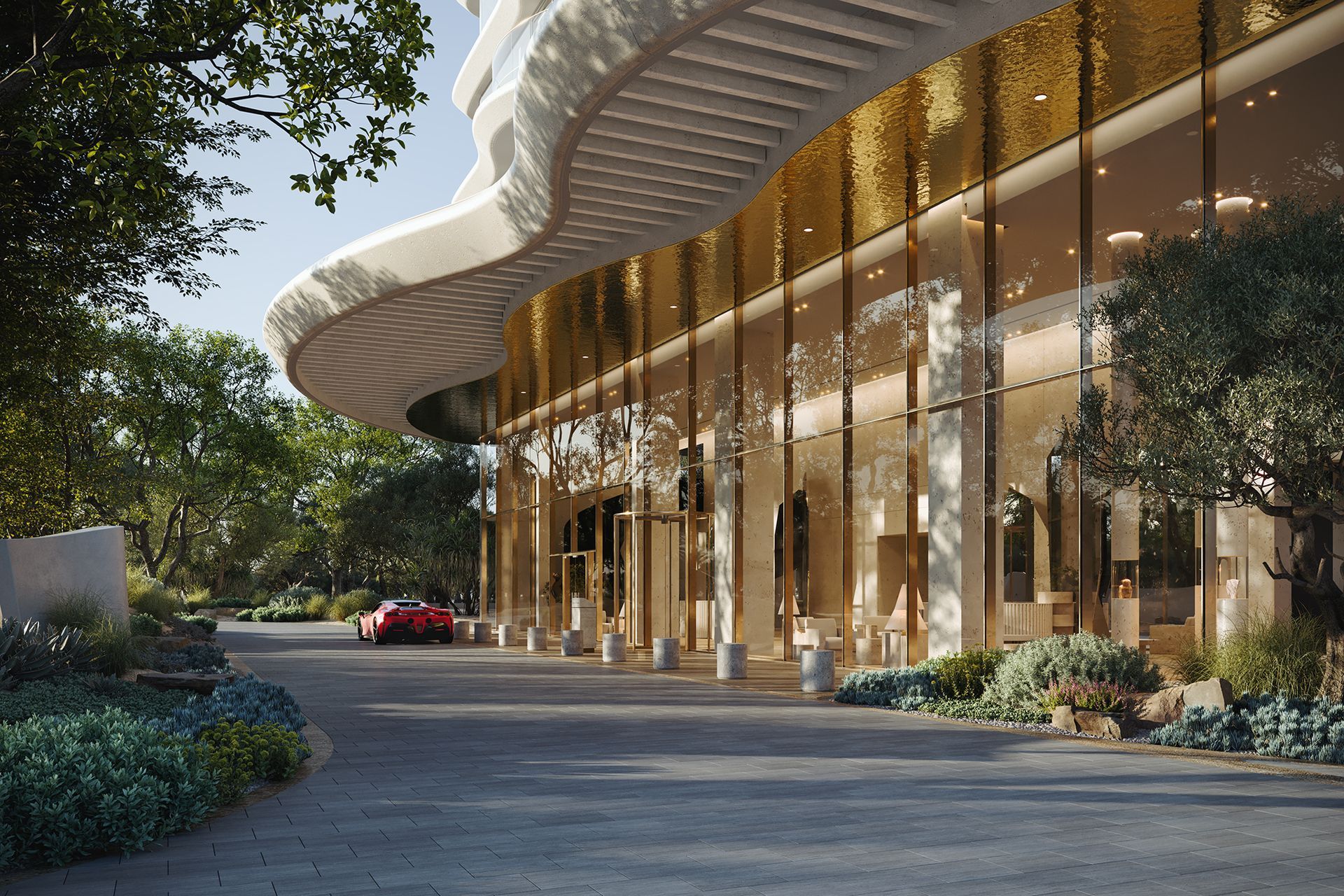
Maison Margiela Expands Design and Architectural Vision with Launch of Maison Margiela Residences in Dubai
Zuchex 2026: from Turkish Craft to Global Design
By Zhanna Lysohorova • October 10, 2026
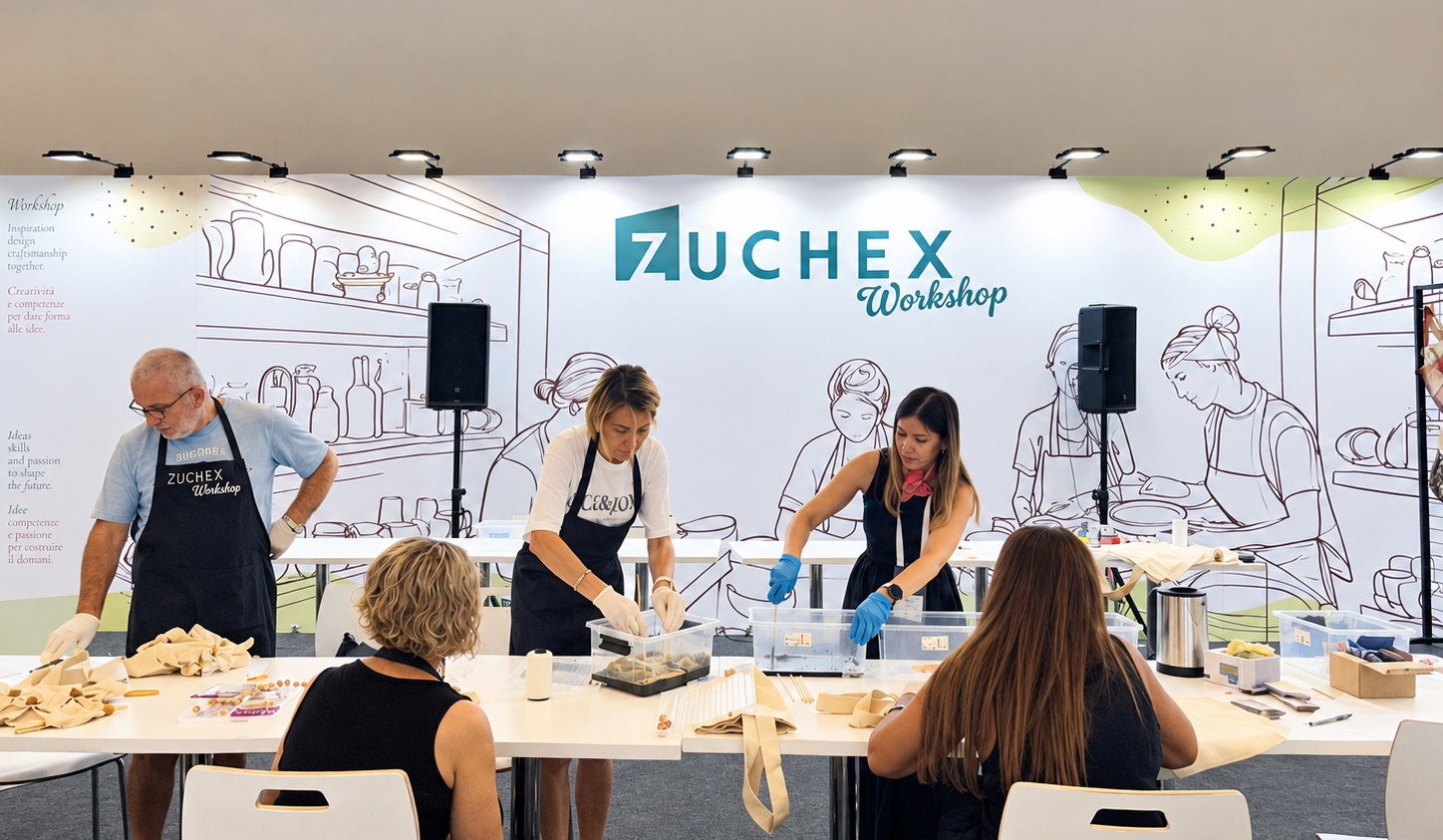
Zuchex 2026: from Turkish Craft to Global Design
By G&G _ Magazine • September 2, 2026
Located in the heart of Las Salesas, one of Madrid’s most sophisticated and creative districts, Only YOU Boutique Hotel Madrid embodies a refined vision of contemporary urban luxury.
By G&G _ Magazine • August 26, 2026
In the heart of Sofia, Juno Hotel blends contemporary design and natural materials into an intimate retreat where refined interiors meet a distinctly residential sense of comfort.
MORE

 Subscribe

Keep up to date with the latest trends!

Receive a dose of inspiration directly into your mailbox!

 Popular Posts

By G&G _ Magazine • September 11, 2026
SISHICRAFT Studio transforms vegetable-tanned leather into delicate handcrafted objects inspired by the botanical world. G&G _ Magazine explores the creative vision behind the brand with Natalie, from transforming botanical inspiration into handcrafted objects to experimenting with material, form and the subtle imperfections that make every piece unique.
By G&G _ Magazine • February 24, 2026
From 5 February to mid-March 2026, across three emblematic locations in Madrid — Institución Libre de Enseñanza, Plaza de Colón and FORMA — LOEWE Perfumes presents Crafted Garden , an immersive installation conceived for Madrid Design Festival 2026 . The project unfolds as a sensory journey inspired by Renaissance gardens, bringing together nature, fragrance and contemporary craftsmanship in a multi-layered exploration of design and olfactory culture.
By G&G _ Magazine • January 21, 2020
Located in Freycinet National Park, Tasmania, the Freycinet Lodge has been in operation since the 1990’s. Having acquired the property recently, RACT Destinations was keen to upgrade. RACT sought tourism advice from Brett Torrossi, to help steer the sensitive project. Liminal was then commissioned to transform the visitor experience through the conceptualisation, design and delivery of nine pavilions tailored to celebrate the scenic qualities of the unique setting. The Pavilions provide a point of difference to the existing 60 cabins, offering a quality, contemporary, eco-sensitive, site specific experience. Liminal drew inspiration for the new Coastal Pavilions from the fluid topography of the nearby bays and layered coastal granite rock formations, while paying homage to the character of the National Park they nestle into.