


Hospitality Design Trends 2026
Building on What's Already There
As this year's LIV Hospitality Design Awards winners settle into the wider conversation, certain patterns become difficult to ignore. Properties built for warm-climate escape recur across the list. Sustainability surfaces less as a stated goal than as a working method. And several of the strongest projects are renovations rather than new builds. Read together, the winners point toward where hospitality design is heading as the year continues.
Designed for the Season
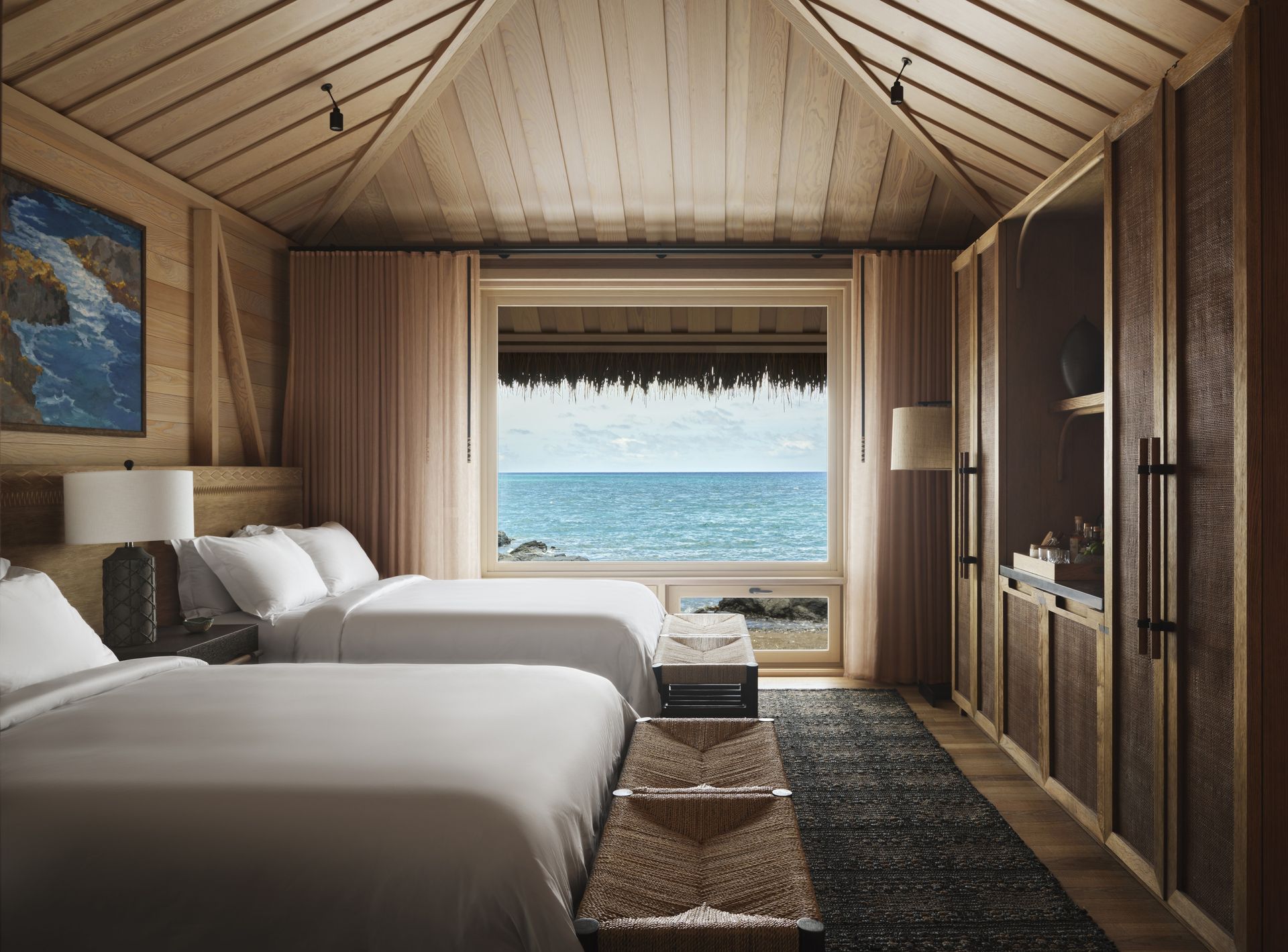
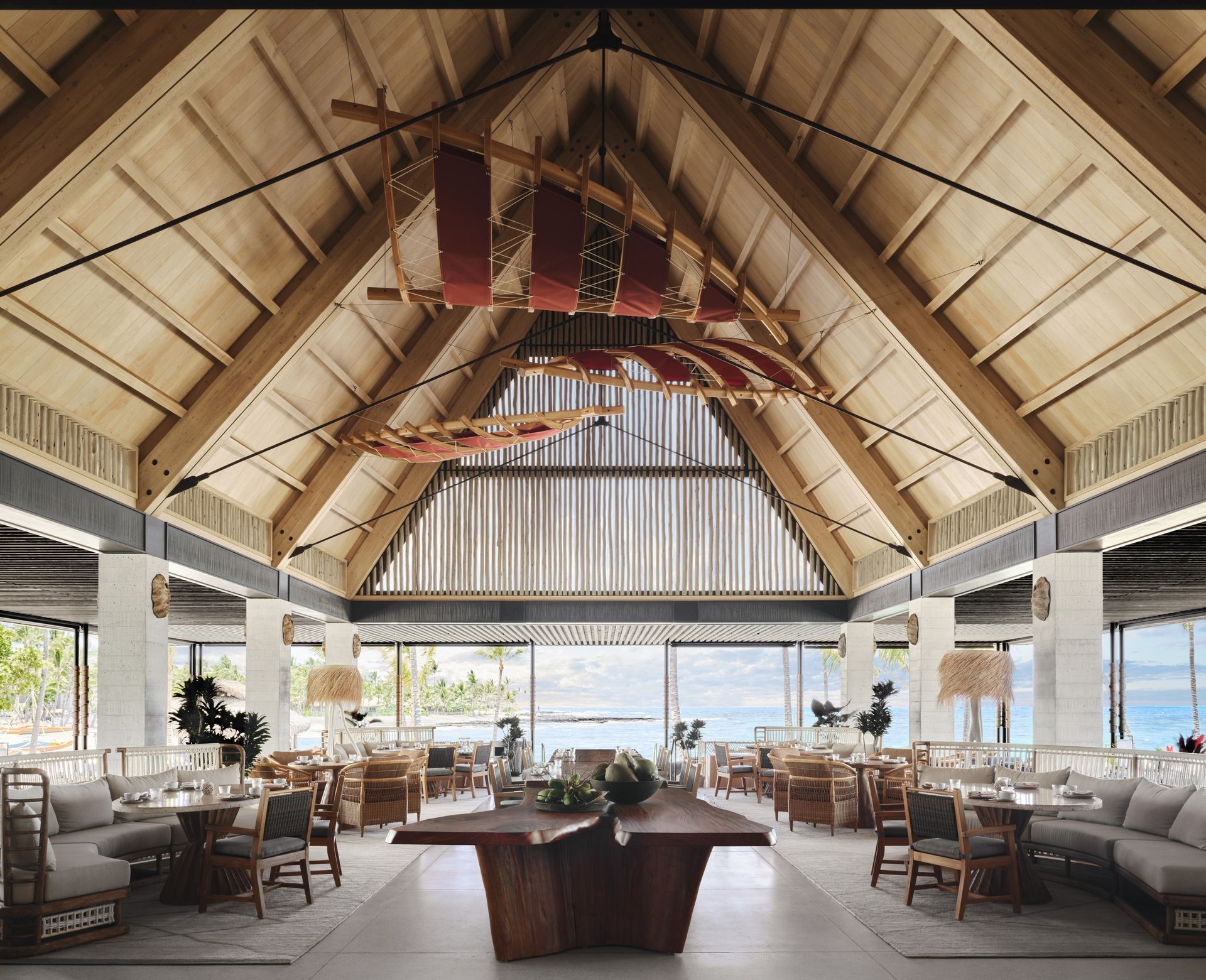
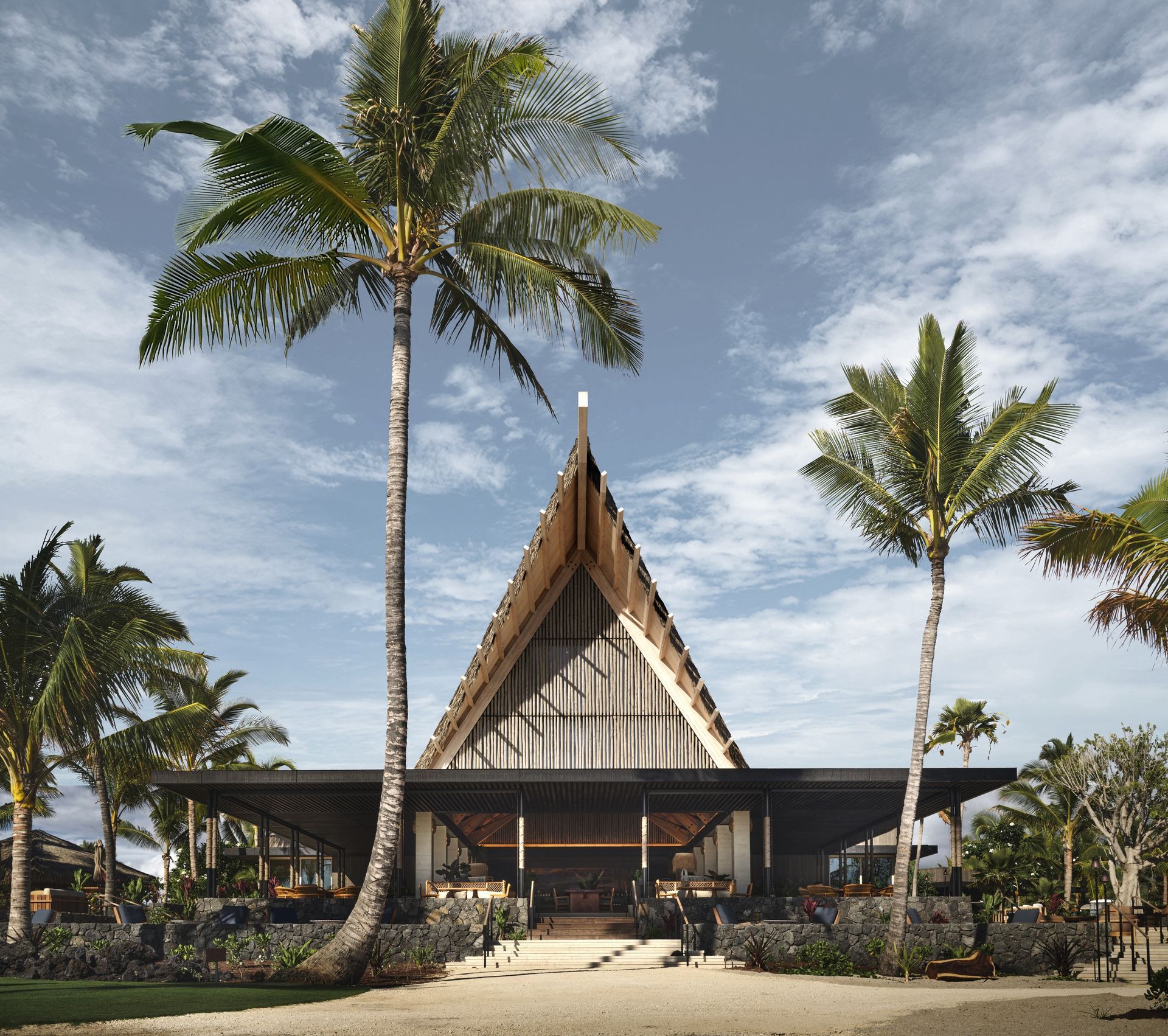
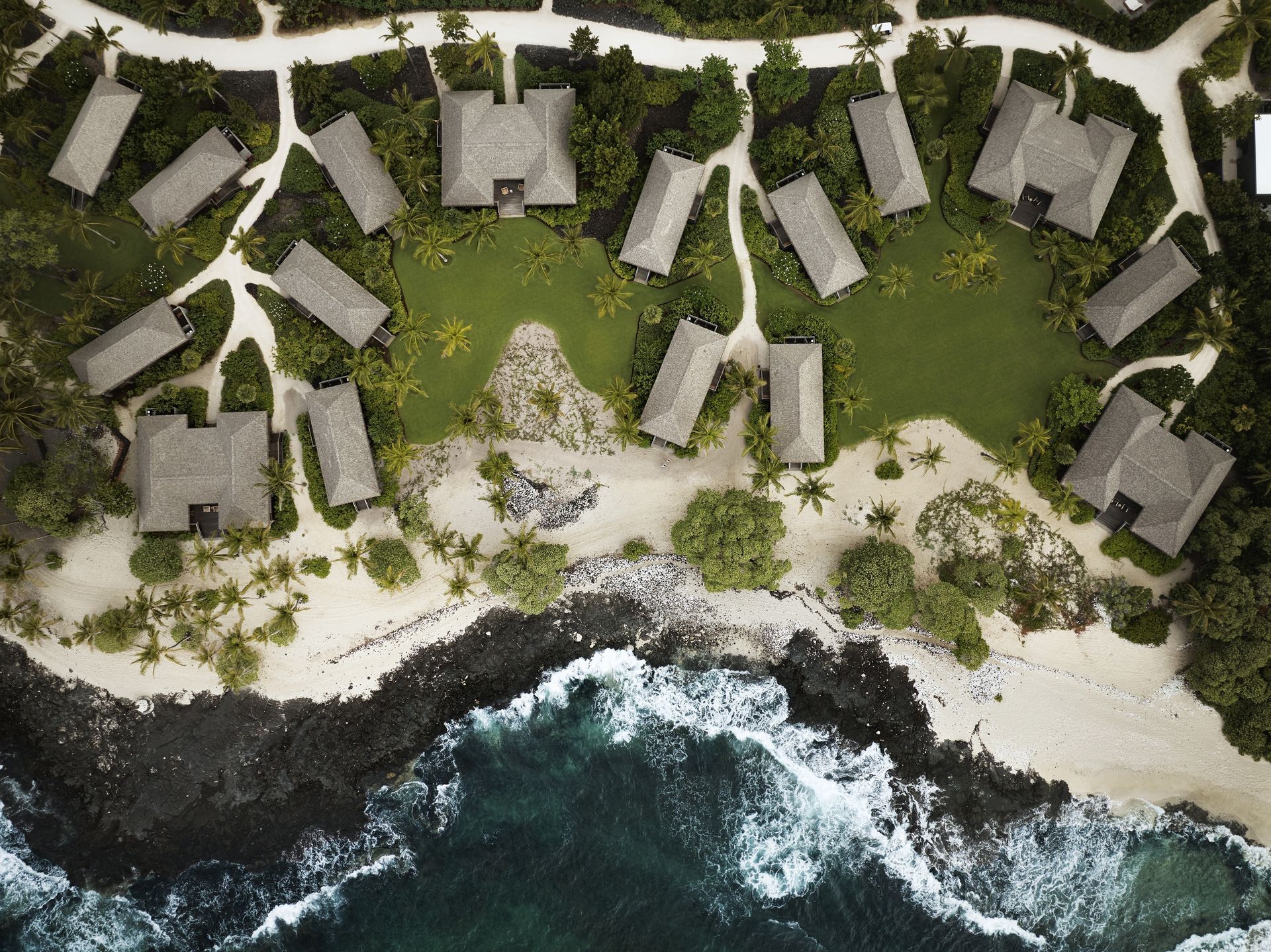
Several of this year's winners speak directly to the season ahead. Kona Village, on Hawaii's Big Island, reimagines an 81-acre resort around the history of Kaupulehu, led by Greg Warner and Mike McCabe of Walker Warner. The rebuilt property includes 150 traditional guest hale, a new spa, and five restaurants and bars—two of which carry over from the original resort. Rather than a wholesale reinvention, the project reads as a continuation: a property rebuilt around what made the original site significant in the first place.
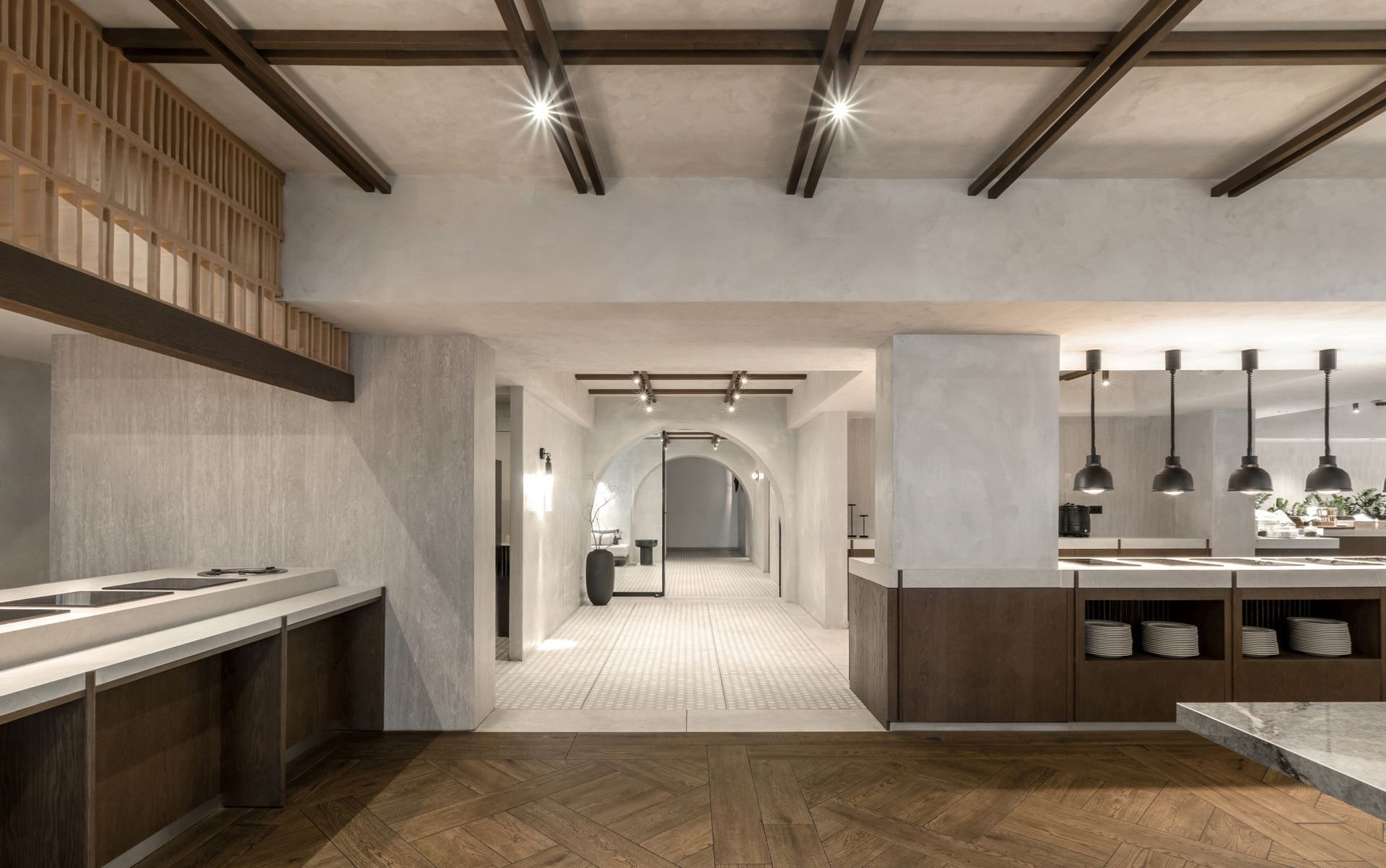
Estia Restaurant, within the Lindos Mare Resort in Rhodes, takes a more compact approach to the same idea. Designed by Not a Number Architects, the space operates on a dual register— open and sunlit for breakfast, then intimate and atmospheric by evening—drawing its material language from the fortified architecture of Rhodes' Medieval city. Stone-sculpted walls, natural steel and warm wood tie the restaurant to its surroundings rather than setting it apart from them.
Systems, Not Gestures
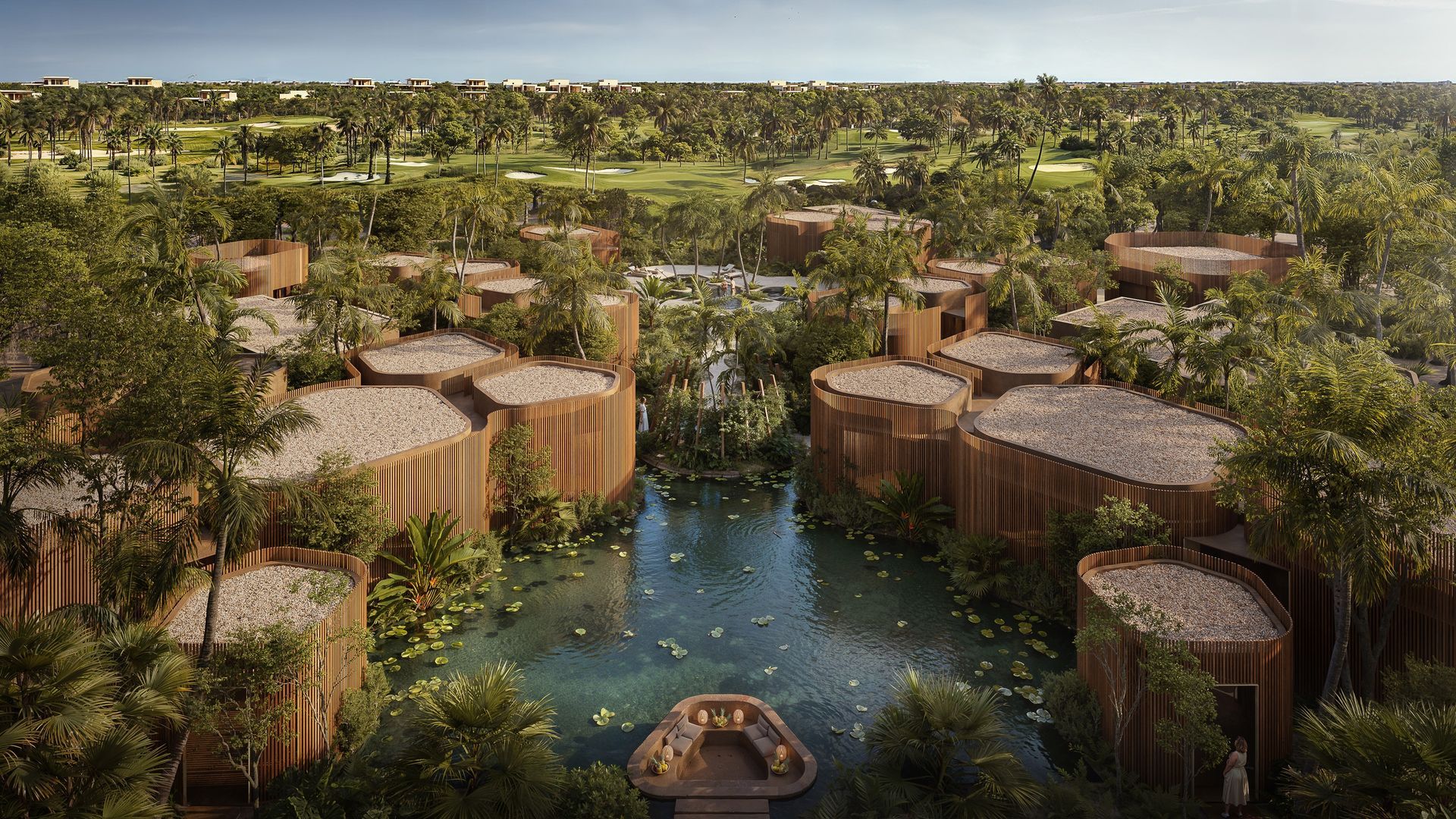
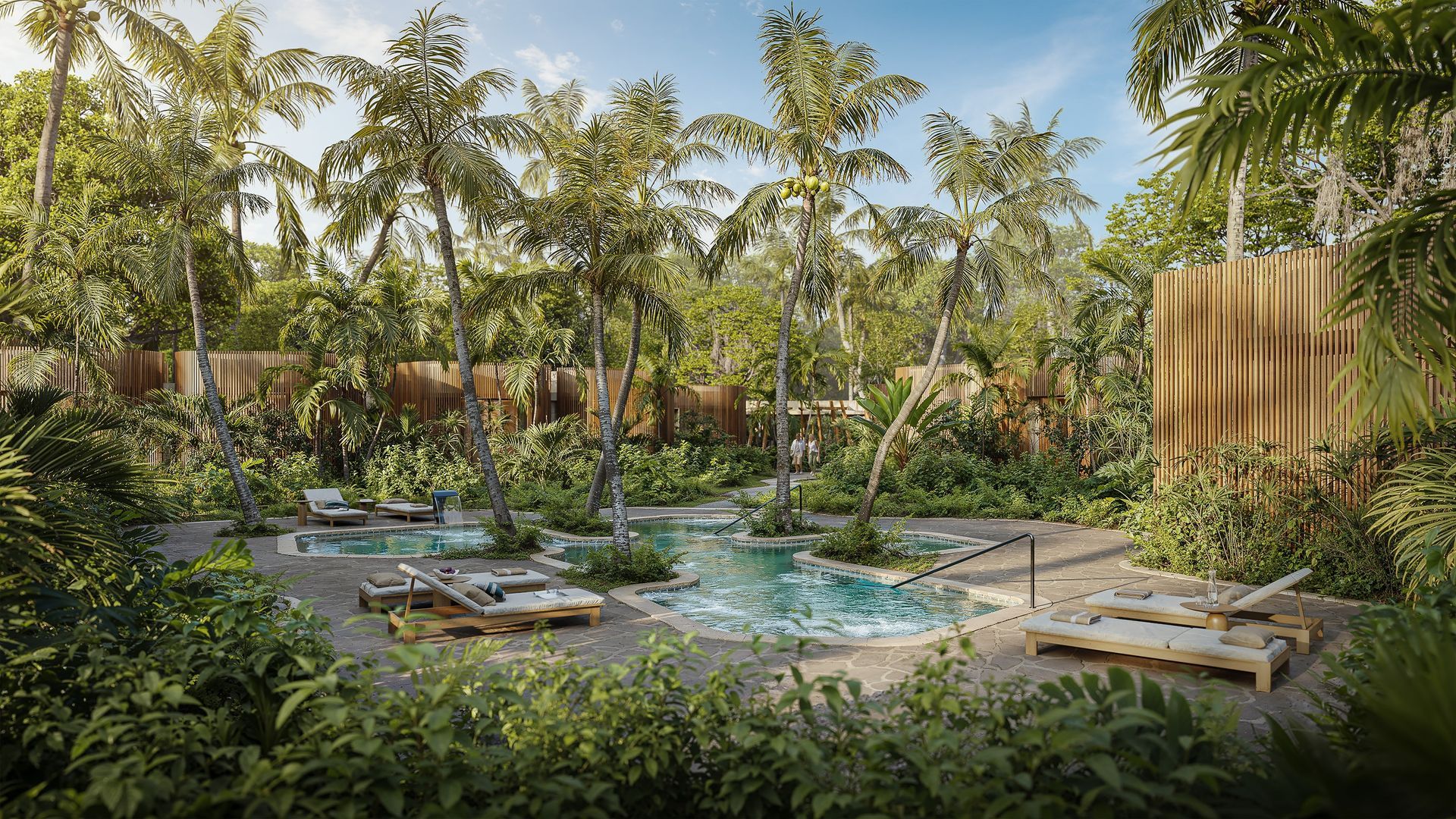
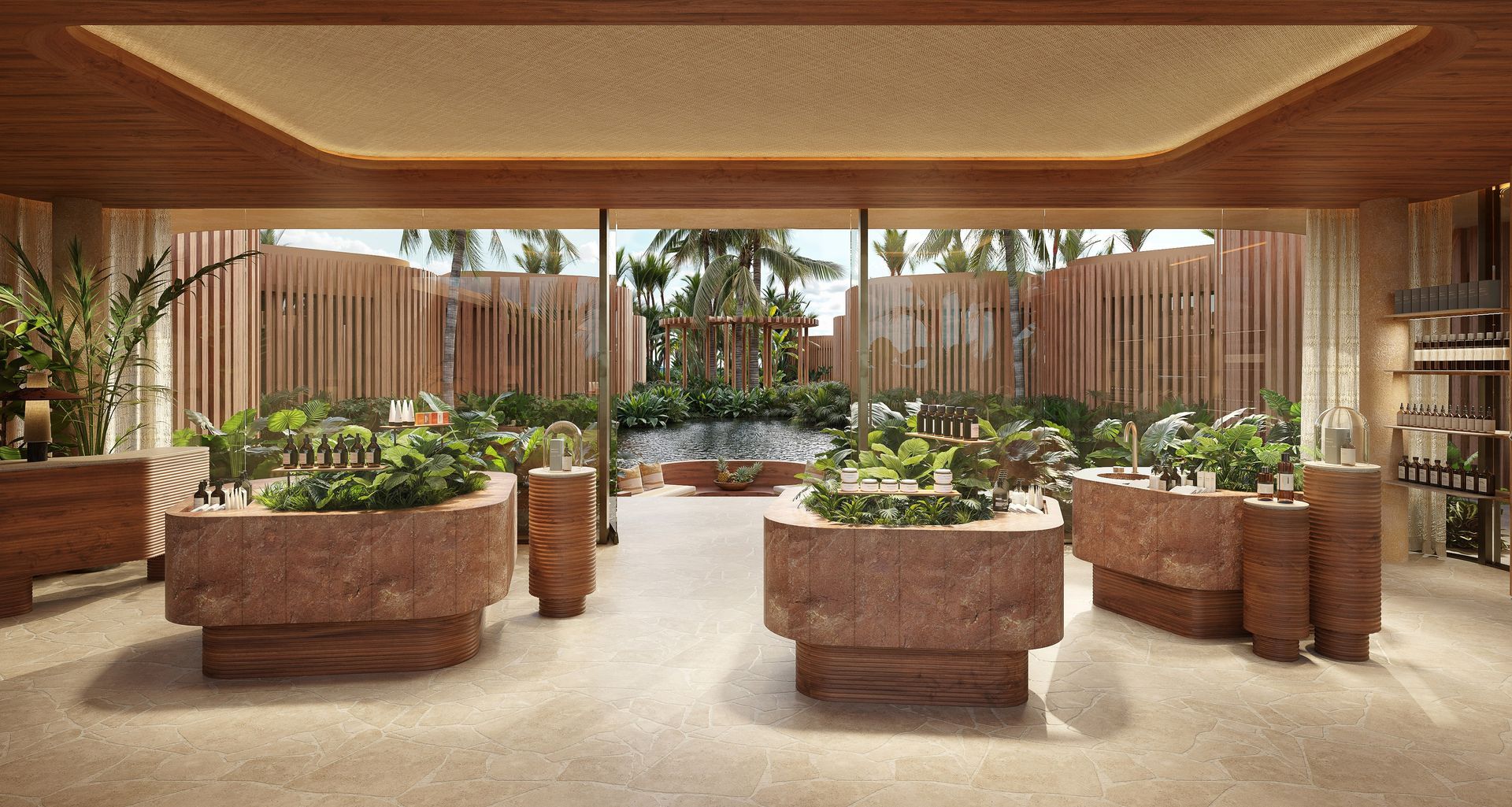
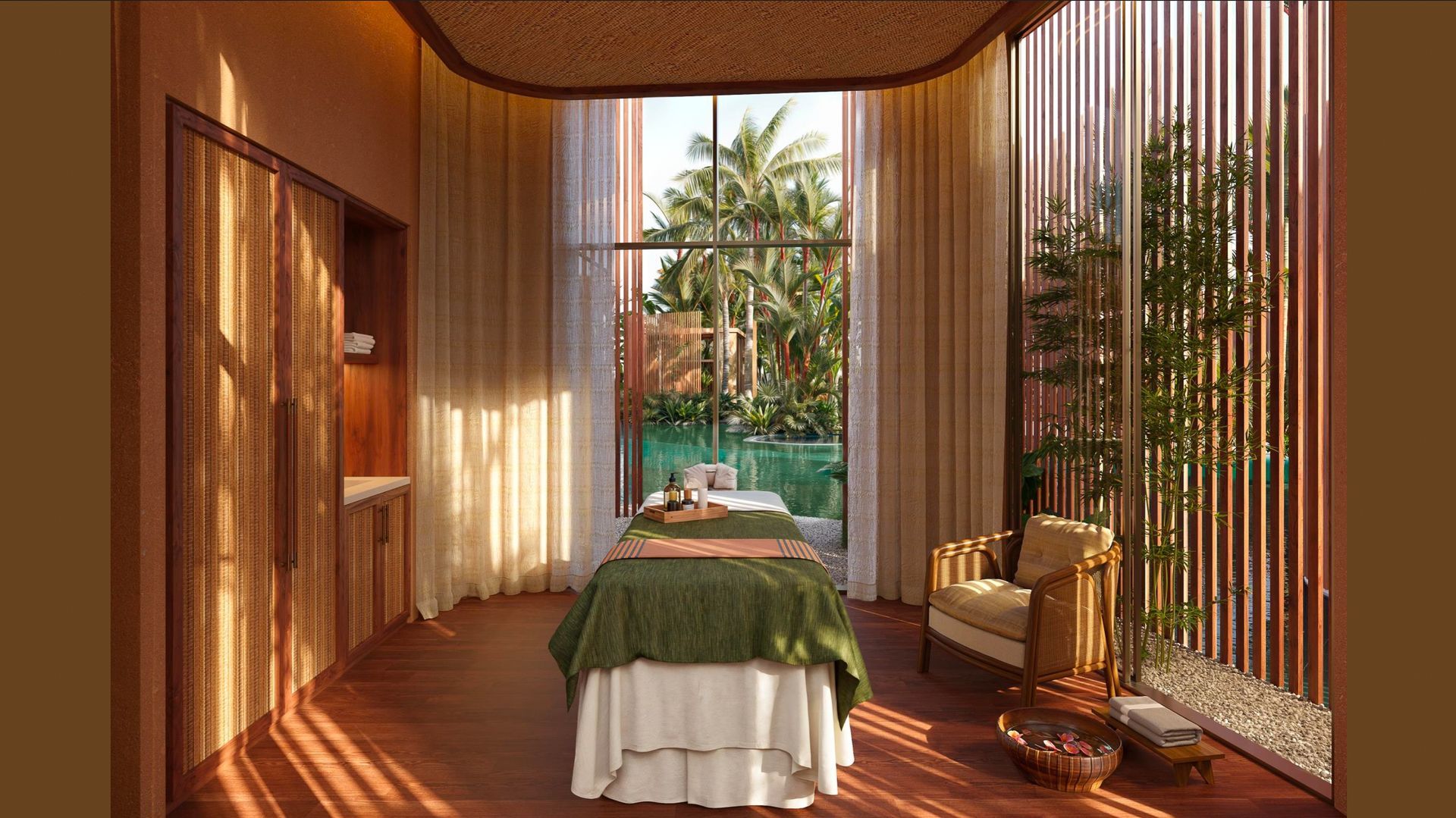
Sustainability featured prominently across this year's winners, though rarely as a standalone gesture. At Ananas Spa, part of the Ritz-Carlton Reserve at Cotton Bay in the Bahamas, TAHR Arquitectura built the wellness pavilion's form around the hexagonal geometry of the pineapple—a reference to Bahamian agrarian tradition—while embedding passive cooling, rainwater harvesting and native planting into the architecture itself. The result functions as ecological infrastructure as much as it does a spa.
Kona Village reflects a similar logic at a larger scale: several of its buildings are LEED Gold certified, and the resort runs entirely on solar power. Across both projects, sustainability appears less as an added feature than as a structural condition: water, energy and material systems built into the design from the outset, rather than layered on afterward.
Old Bones, New Brief
Perhaps the clearest pattern among this year's winners, however, is a willingness to design with what already exists. Estia Restaurant is itself a renovation, its new materiality threaded through an existing structure. At a different scale entirely, the Hotel del Coronado in San Diego—a National Historic Landmark since 1977—completed a $550 million, multi-phase renovation led by Wimberly Interiors for Hilton. The Rotunda lobby was rebuilt around restored Illinois white oak and a hand-blown crystal chandelier, the front porch returned to its heirloom rockers, and select spaces retain light fixtures designed in 1911 by L. Frank Baum. Across 371 reinterpreted guestrooms, the brief centred on continuity rather than reinvention—preserving the resort's Neo- Victorian identity while updating it for current use.
Across these projects, a single observation holds: the work recognised this year is less concerned with imposing a new vision on a site than with reading what is already there— climate, history, material—and building accordingly. If that approach defines hospitality design in 2026, it points to an industry growing more comfortable working with constraints than against them.
SHARE THIS
Contribute
G&G _ Magazine is always looking for the creative talents of stylists, designers, photographers and writers from around the globe.
Find us on
Latest News

Subscribe
Keep up to date with the latest trends!
Popular Posts