


Lay House
July 27, 2020
Ström Architects designed a private two-storey home in Walton-on-Thames, a town in the county of Surrey, England.

Lay House sits on a road of large residential properties, many of which have been recently rebuilt in a Neo-Georgian style.
Ström Architects has purposefully avoided a single monolithic mass, which could have appeared bulky or intrusive. Instead, the studio has split the house into two volumes to reduce the visual form.
Ström Architects has purposefully avoided a single monolithic mass, which could have appeared bulky or intrusive. Instead, the studio has split the house into two volumes to reduce the visual form.

By splitting the house in two, it allows the internal functions to be rationalised: the smaller volume to the South contains the social spaces (living, dining and kitchen), whilst the taller one to the North houses the more functional spaces (plant room, utility, study and garage). The entrance is located in the void space between these two cubes, where Ström Architects has also created an open-tread staircase which allows light from both sides of the house to filter down into the hallway.

Externally, the studio has created a small courtyard at the front which provides a private sitting area extending out from the living room. This space is screened from the driveway, but allows morning and midday sun into the house. Large windows help to blur the boundary between inside and out, so that the courtyard feels like an external room.

The new house is to be built from brickwork, picking up on the materiality of neighbouring properties – but elongated long format bricks will give a more elegant, modern aesthetic. The brickwork is taken internally – running through the staircase void – to enforce the presence of the two separate volumes on either side of you.


The interiors have been designed by Ström Architects, to ensure that they have a coherent relationship with the architecture. A simple material palette of stone floors, oak panelling and black metal, complements the brick of the building. The intention is to provide contemporary, robust and elegant interiors that offer a sense of calm, harmony, and reprieve from a busy world.
At first floor level there are three children’s bedrooms and a playroom / snug in the Northern part of the house, with the master suite and guest bedroom being located above the social hub to the South.

Photography by Nu.Ma
www.stromarchitects.com
SHARE THIS
Contribute
G&G _ Magazine is always looking for the creative talents of stylists, designers, photographers and writers from around the globe.
Find us on
Latest News
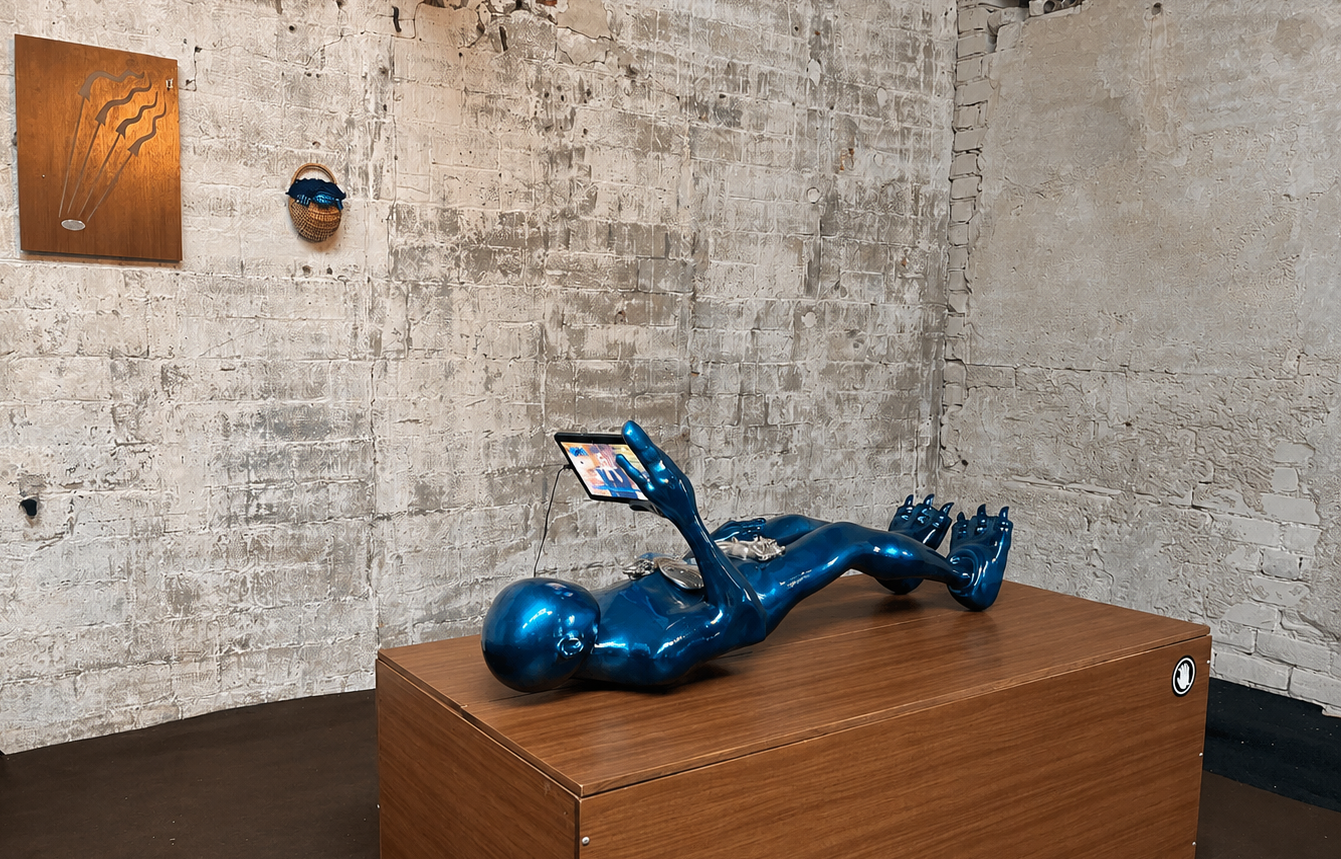
Before launching the next collection, presenting the next innovation or filling another empty space, Tallinn Design Festival invited us to ask a more uncomfortable question. G&G _ Magazine explored the answers through conversations with the people who make, shape and rethink design.

The 21st edition of Tallinn Design Festival , held from 28 September to 4 October 2026, offered a rich illustration of a design scene that extends far beyond the object, and beyond the walls of a single venue. Under the theme Future of Product Design , the festival explored how sustainability, adaptability, technological change and material awareness can inform the next generation of products and services.
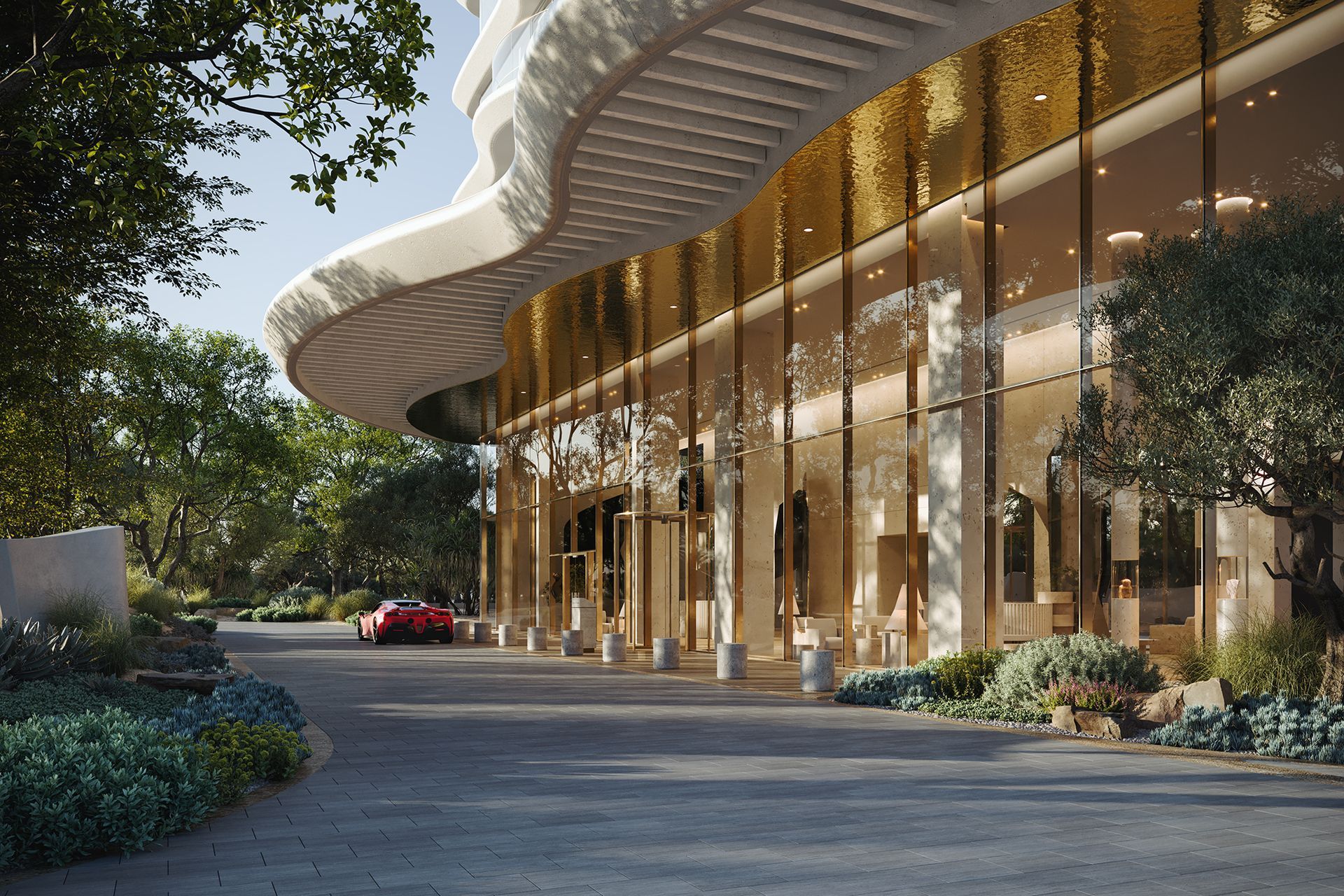
Maison Margiela Expands Design and Architectural Vision with Launch of Maison Margiela Residences in Dubai
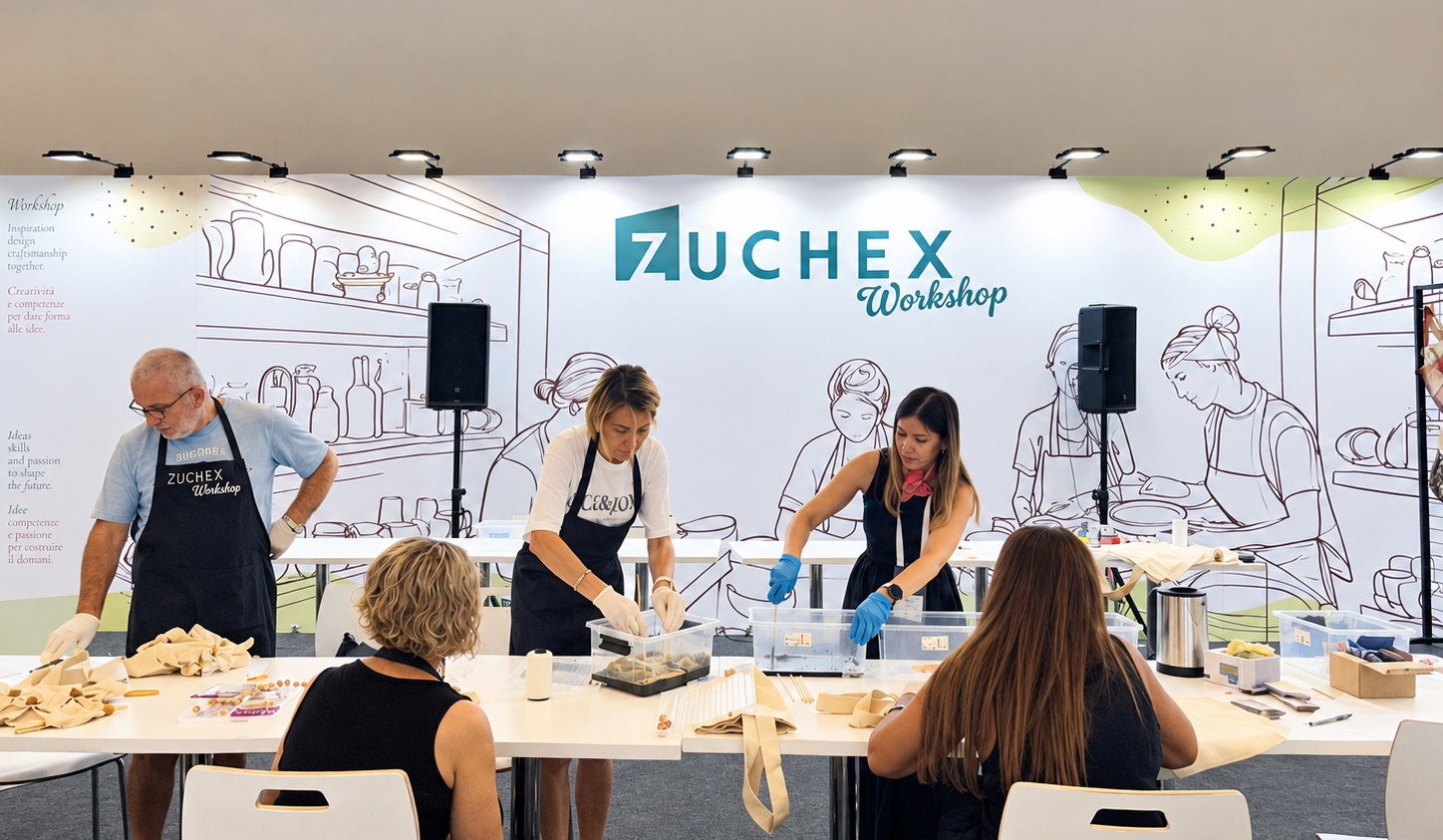
Zuchex 2026: from Turkish Craft to Global Design
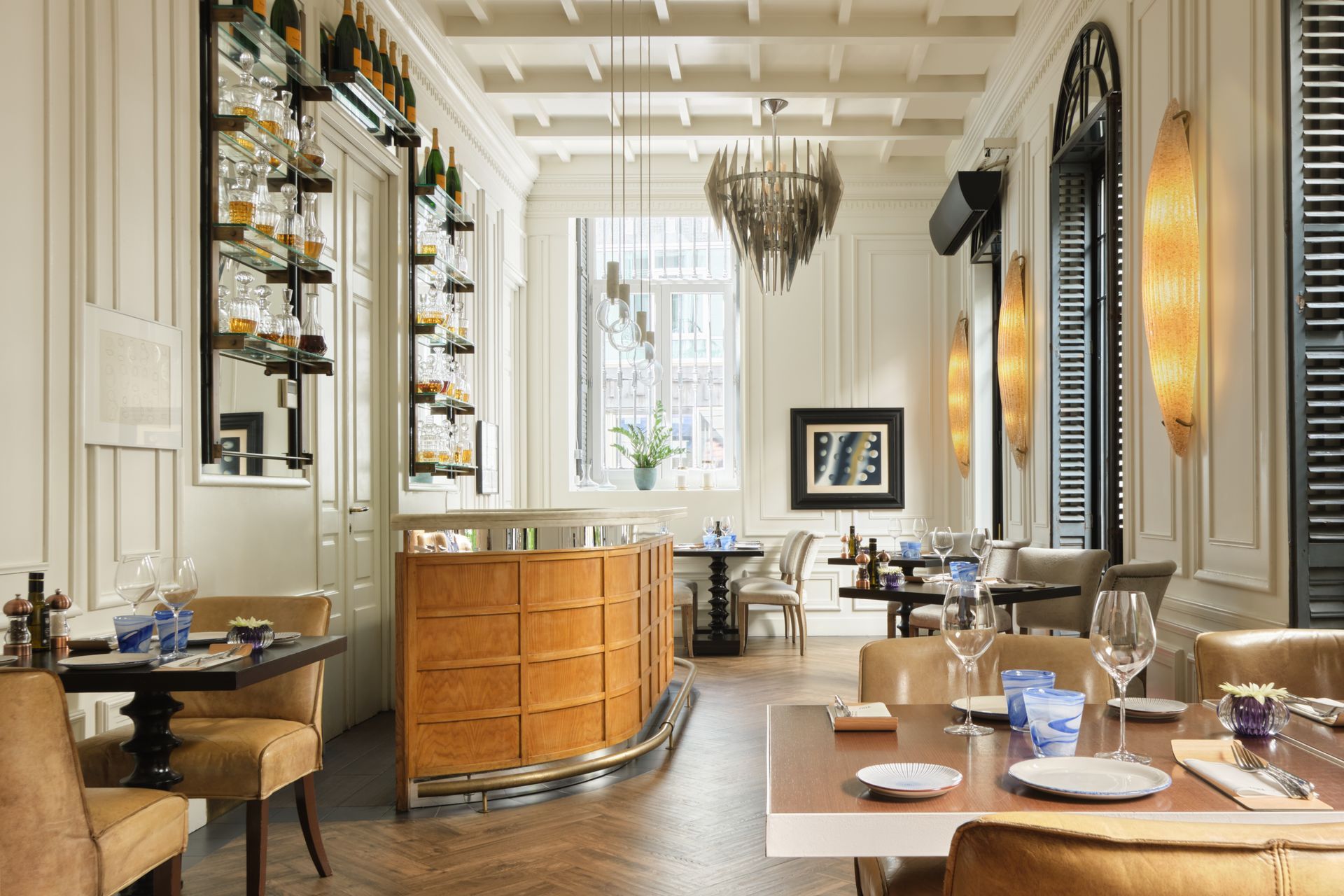
Located in the heart of Las Salesas, one of Madrid’s most sophisticated and creative districts, Only YOU Boutique Hotel Madrid embodies a refined vision of contemporary urban luxury.
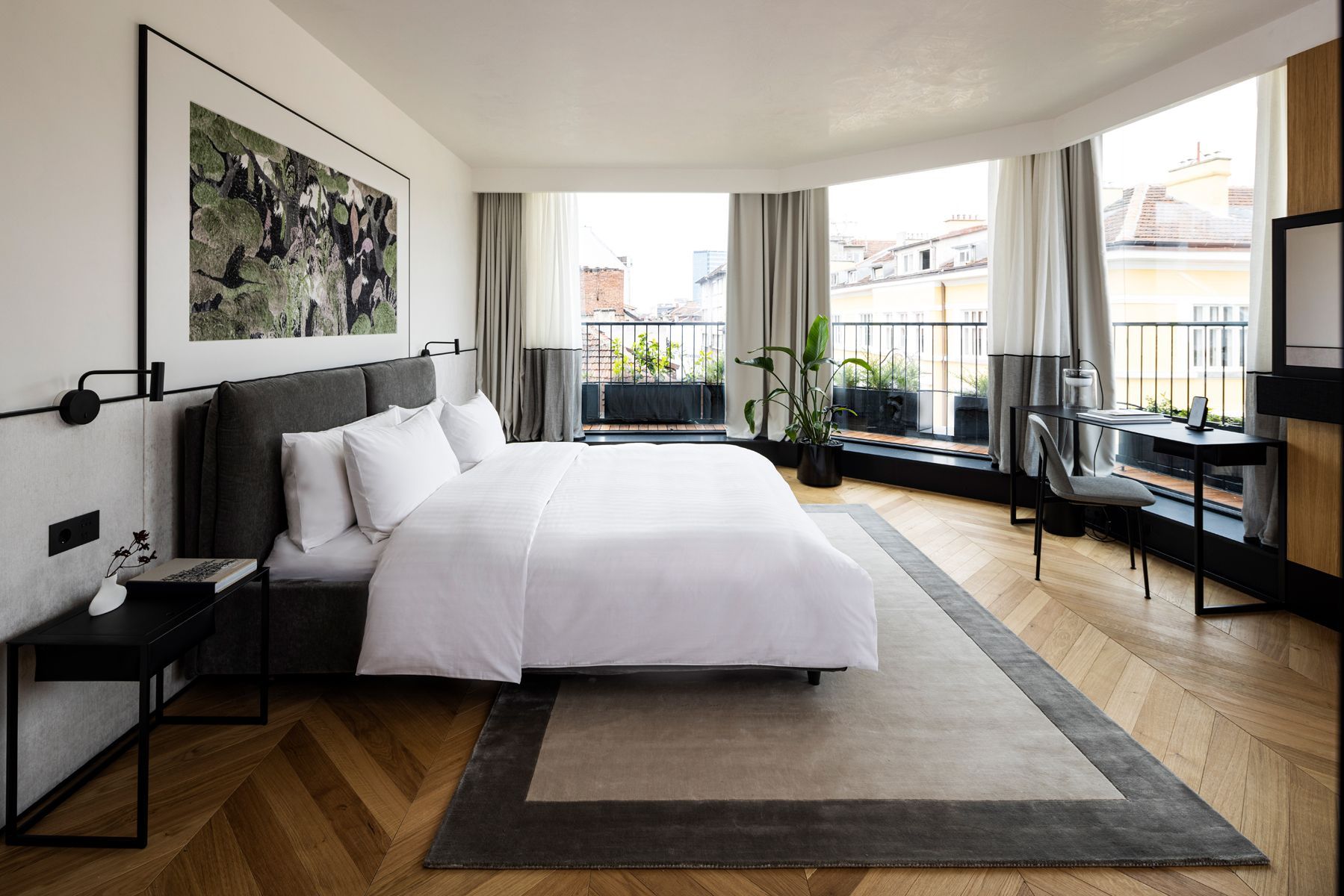
In the heart of Sofia, Juno Hotel blends contemporary design and natural materials into an intimate retreat where refined interiors meet a distinctly residential sense of comfort.
Subscribe
Keep up to date with the latest trends!
Popular Posts

SISHICRAFT Studio transforms vegetable-tanned leather into delicate handcrafted objects inspired by the botanical world. G&G _ Magazine explores the creative vision behind the brand with Natalie, from transforming botanical inspiration into handcrafted objects to experimenting with material, form and the subtle imperfections that make every piece unique.

From 5 February to mid-March 2026, across three emblematic locations in Madrid — Institución Libre de Enseñanza, Plaza de Colón and FORMA — LOEWE Perfumes presents Crafted Garden , an immersive installation conceived for Madrid Design Festival 2026 . The project unfolds as a sensory journey inspired by Renaissance gardens, bringing together nature, fragrance and contemporary craftsmanship in a multi-layered exploration of design and olfactory culture.

Located in Freycinet National Park, Tasmania, the Freycinet Lodge has been in operation since the 1990’s. Having acquired the property recently, RACT Destinations was keen to upgrade. RACT sought tourism advice from Brett Torrossi, to help steer the sensitive project. Liminal was then commissioned to transform the visitor experience through the conceptualisation, design and delivery of nine pavilions tailored to celebrate the scenic qualities of the unique setting. The Pavilions provide a point of difference to the existing 60 cabins, offering a quality, contemporary, eco-sensitive, site specific experience. Liminal drew inspiration for the new Coastal Pavilions from the fluid topography of the nearby bays and layered coastal granite rock formations, while paying homage to the character of the National Park they nestle into.