


Zuchex 2026: from Turkish Craft to Global Design
From 9 to 12 September 2026 at Istanbul's Tüyap Fair & Congress Center, ZUCHEX placed Turkish craftsmanship and manufacturing at the heart of a market where a rich local offer increasingly meets international demand.
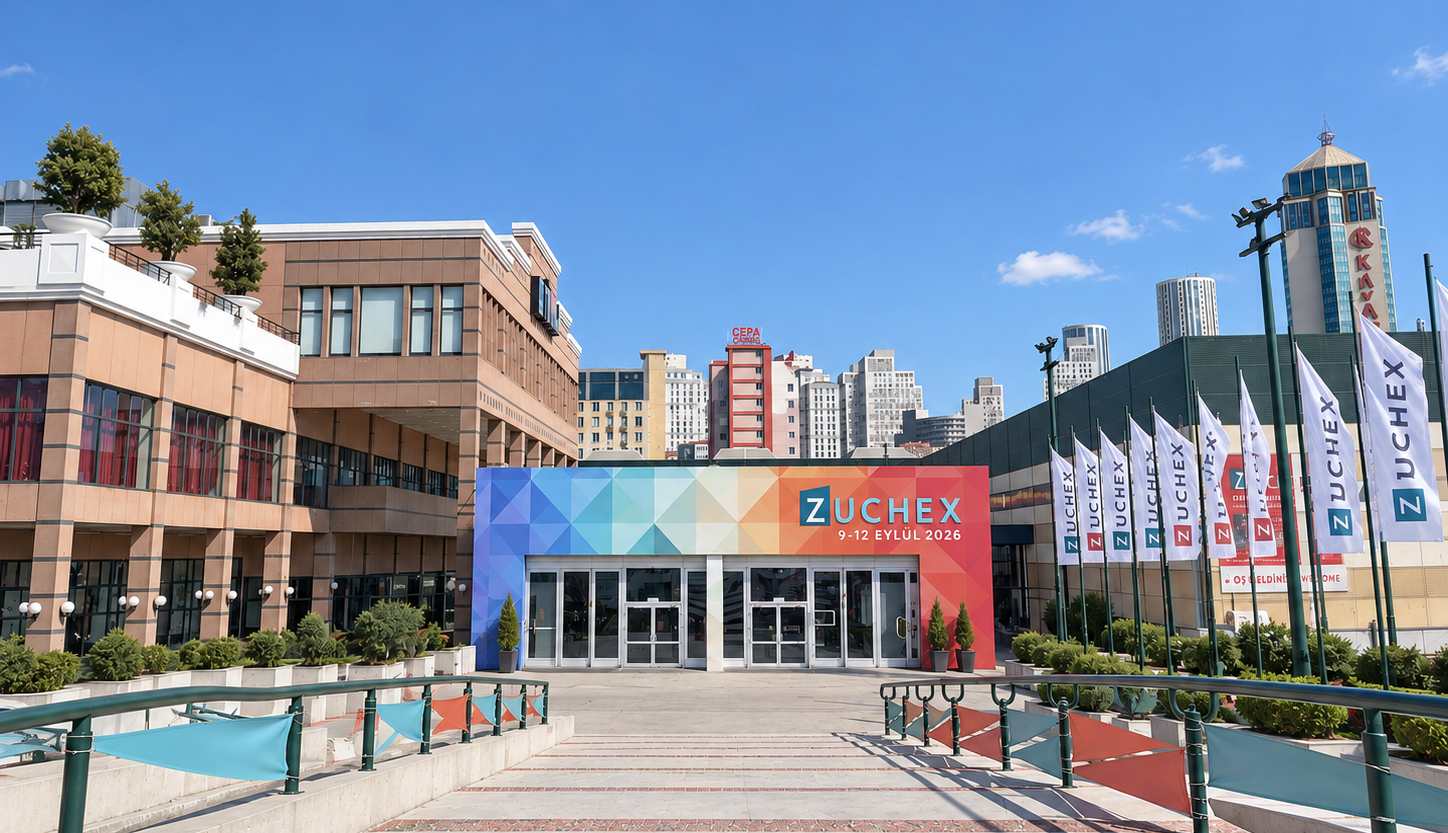
Walking through ZUCHEX 2026 meant discovering two sides of Turkish production that, rather than opposing each other, constantly intersect. On one side, there is a remarkable heritage of materials, techniques and knowledge passed from one generation to another; on the other, a manufacturing industry looking towards technology, international markets and the changing needs of everyday life. This connection between craftsmanship and production became one of the most interesting aspects of our days in Istanbul. Across the halls, tradition was not treated simply as something to preserve, but as something still capable of evolving, being produced, exported and becoming part of contemporary living.


Located in the heart of the fair, Hall 7 offered perhaps the most immediate encounter with the Turkish heritage. A dedicated area brought together small artisans, giving visitors the opportunity not only to see finished objects, but to meet the people behind them and understand the techniques, gestures and knowledge involved in making them. Different materials, different gestures, but knowledge transmitted through practice and from one generation to the next.
- Glassblowing showed the delicate balance between control and instinct: molten glass inflated through a blowing pipe, continuously rotated and shaped by hand while still at extremely high temperatures.
- Glass bead making revealed another long-established Turkish tradition. Glass is melted and worked with iron rods to create beads in different colours and patterns, including the instantly recognisable nazar, or evil eye bead, whose production continues in places such as Görece and Nazarköy in İzmir.
- Traditional woodcarving transforms surfaces through geometric, vegetal and animal motifs, with skills historically applied to furniture, chests, architectural elements and decorative objects.
- Wooden toy making, meanwhile, demonstrated how the same material can acquire movement, function and a playful character through simple manual processes.
- Wood burning, or
pyrography, is a decorative technique in which patterns and compositions are created by producing controlled burn marks on wooden surfaces with heated metal tips. Different temperatures and applications create variations in tone and line. Traditional motifs, regional figures, and original designs can all be expressed through this technique.
- Metal required a different rhythm altogether. In hot iron forging, the material is heated and shaped through repeated hammering, and the artisan's experience becomes essential in understanding exactly when the iron is ready to be worked.
- The making of swords & scabbards offered another glimpse into specialised Turkish craftsmanship, bringing together metal, wood, leather and decorative elements in a practice in which different master craftsmen historically developed their own areas of expertise.


“What makes ZUCHEX interesting is the variety. You can discover traditional craftsmanship and, just a few halls away, see how technology is changing everyday products. It gives you a broader view of where the market is heading.”
Always throughout the Hall 7, ZUCHEX hosted workshops where traditional and decorative techniques could be experienced first-hand under the guidance of craftspeople. Clay design, batik painting, kintsugi, overglaze porcelain painting and ceramic mocha decoration turned observation into participation. There is a considerable difference between looking at a handcrafted object and trying to understand how it is actually made. ouching the material, following the artisan's movements and discovering how much precision sits behind an apparently simple gesture offered another perspective on the objects we encounter every day.
Learning also extended beyond making. The wide programme of talks created opportunities to consider the wider evolution of interiors and products, including a WGSN session dedicated to design trends. Here, the conversation moved from the individual object to the environment around it: how does a product meet an interior, and how do changing lifestyles influence both.


Moving through the halls, what repeatedly caught the visitors' attention was the relationship between the raw material, the way it is worked and the identity it acquires through the hands of those who transform it. Clay, glass, wood, metal, porcelain and textiles appeared in very different forms; while techniques developed over centuries coexist with contemporary production processes. This was particularly evident in Turkish production, where material knowledge often carries a strong connection to place and tradition. Rather than simply reproducing the past, many companies use this heritage as a starting point, adapting techniques, patterns and decorative languages to objects conceived for contemporary everyday life. In this sense, craftsmanship becomes more than decoration: it becomes a way of giving identity to production.
Turkish company Myros offered an interesting example through clay and a tradition extending back centuries. Its pieces bring together different stages and techniques: clay is formed, motifs are drawn by hand using different brushes and specialised tools, surfaces are glazed and fired, while Ottoman-inspired decoration connects the finished object to a visual language developed over generations.


On the other side, patterns, colours and familiar imagery are translated into functional, well-made objects designed to accompany everyday life. Rather than designing only according to room or function, several brands approached collections through mood. Keramika, for example, proposes tableware and products capable of accompanying different moments and different feelings, allowing us to choose what surrounds us according to the atmosphere we want to create that day. It is a simple idea, but a very contemporary one: design is increasingly expected not only to perform a function, but also to respond to how we want to feel.
Luxury continues to occupy an important part of the market, but rather than relying exclusively on opulence, many collections combined decorative richness with cleaner forms and carefully selected classical references. For ex., 2in1 Design Studio proposes luxury accessories illustrated this balance: objects with a strong decorative presence, yet conceived for contemporary interiors. Detail, finish and material take precedence over excess, allowing classical inspiration to coexist more naturally with today's spaces.

Yet ZUCHEX is, above all, a business meeting point: manufacturers, buyers, retailers and distributors within the same ecosystem. Beyond conversations taking place at individual stands, dedicated meeting areas created additional spaces to discuss sourcing, distribution and new commercial opportunities. This strong B2B dimension helps explain why Turkish production occupied such a central position throughout the fair. The stands themselves increasingly reflected this ambition. Many moved beyond conventional displays towards open, immersive installations where products could be observed from multiple angles and understood within a more complete setting. Presentation became part of the product experience.
“ZUCHEX gives us the opportunity to present not only our products, but the craftsmanship, techniques and story behind them. Meeting international buyers directly also helps us understand how different markets are evolving.”
“Designs Shaping Tomorrow” could be read throughout the fair, and the idea became particularly tangible when moving towards
Halls 1, 2 and 3. Here,
technology took a more prominent role, especially in kitchen and small domestic appliances. The question was no longer simply what a product can do,
but how it can make everyday life easier, healthier and more responsible.
Innovation was applied to efficiency and convenience, but also to cleaner domestic environments, sustainability and personal wellbeing. Technology becomes particularly meaningful when it almost disappears into everyday routines: simplifying a task, helping maintain a healthier home or reducing unnecessary consumption without demanding additional effort from the user.
G&G _ Magazine's Selection: Standout Brands at Zuchex 2026


SHARE THIS
Contribute
G&G _ Magazine is always looking for the creative talents of stylists, designers, photographers and writers from around the globe.
Find us on
Latest News


Subscribe
Keep up to date with the latest trends!
Popular Posts