


In conversation with Habib Chatti: Objects with Something to Say
G&G _ Magazine speaks with Habib Chatti, founder and creative director of HOUBI, about why everyday objects deserve a second look, how jewelry shaped his approach to design, and the stories hidden within the things we live with.
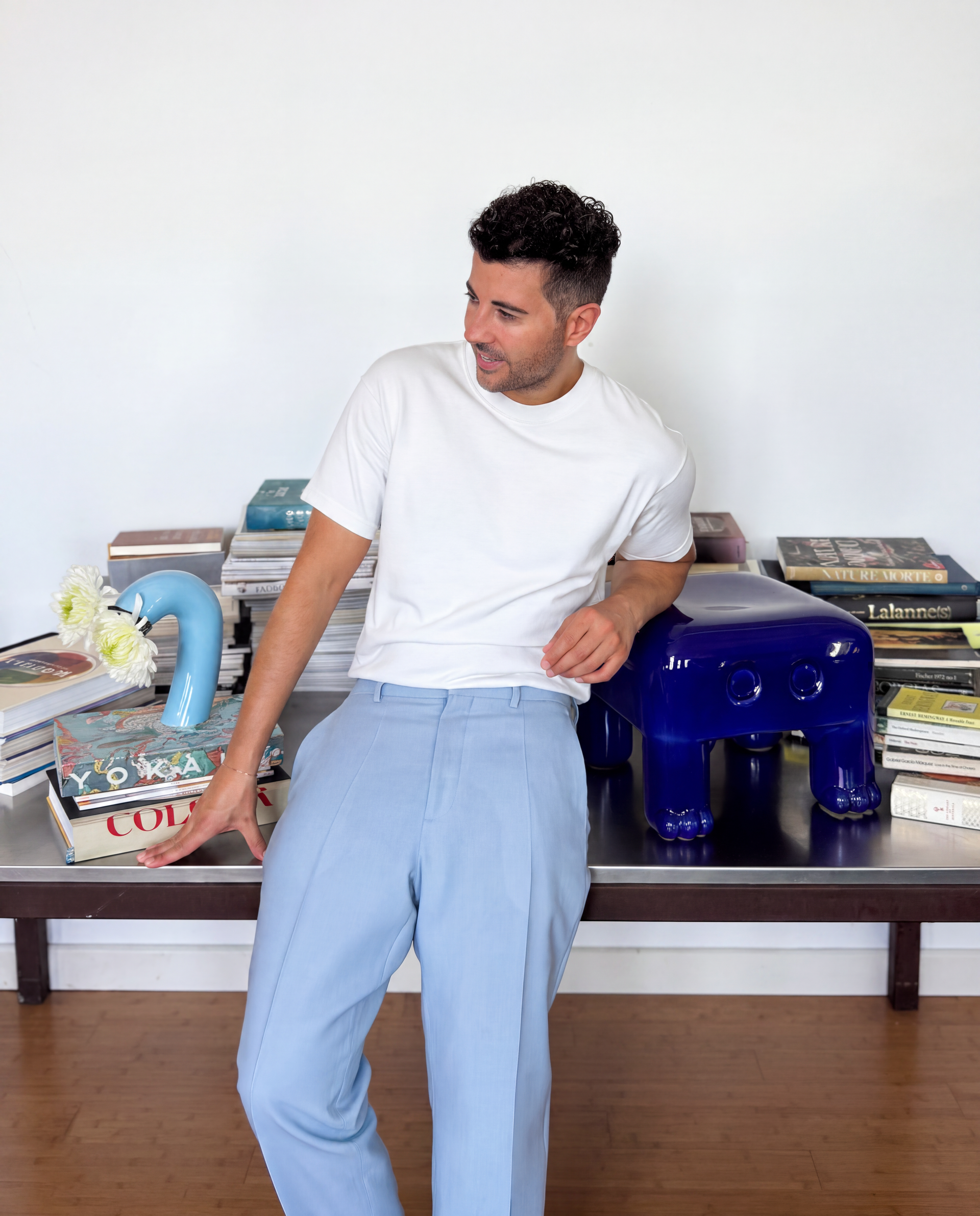
After more than a decade in jewelry design, including roles at Pomellato and as Vice President of Design at Pandora, Habib Chatti shifts his perspective from objects we wear to those we live with, asking how design can make us look again at what has become familiar.
We expect art, music or film to make us think and feel, but rarely ask the same of the objects that surround us. HOUBI starts precisely from this idea, exploring how familiar objects can spark curiosity, create emotional connections and make us notice the everyday differently. Designed in London and handmade in Alcobaça (Portugal), the collection translates this philosophy into sculptural ceramic pieces with distinctive forms and expressive colours. A vase follows the unpredictable direction of flowers, a planter takes on the presence of a small companion, while a fruit bowl turns a simple arrangement into a constantly changing composition. Each object begins with a familiar function, only to reveal another way of seeing and experiencing it.
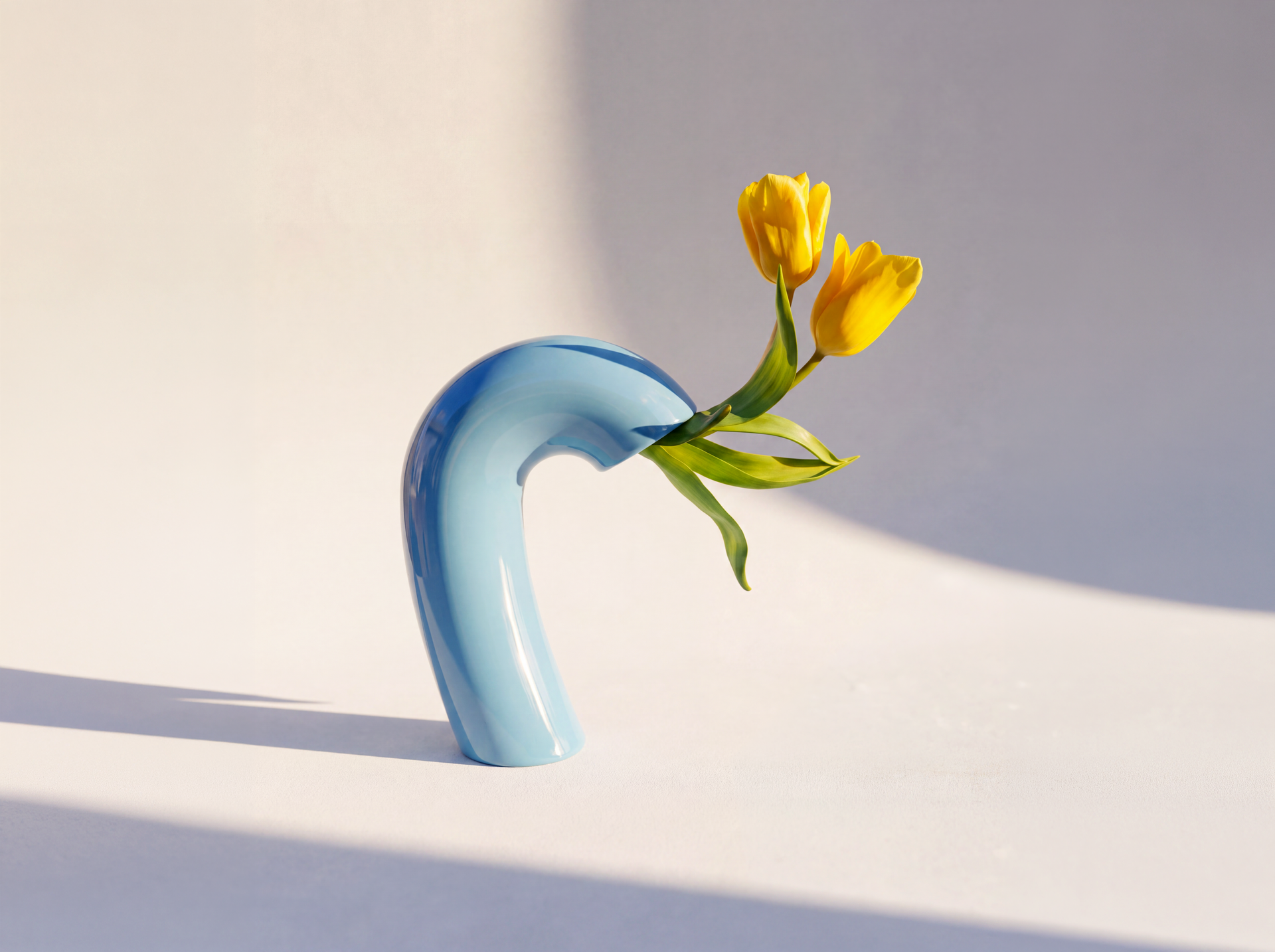
VITA Vase
You originally studied animation, then spent more than a decade in jewelry design before founding HOUBI. What drove these shifts between different fields, and what made you want to move from jewelry to objects for the home?
The creative drive has always been the same: to tell stories, whether through animation, jewellery or now objects. For me, storytelling is an emotional form of beauty.
The home has also always been a fascination. I’m a collector and a maximalist of sorts, so after many years in jewellery, it felt natural to explore that interest through my own work. It was a chance to step outside the familiar and create on a different scale, for a different purpose. There’s something exhilarating about bringing what you know into a world you’ve long loved, while learning and challenging yourself in new ways.
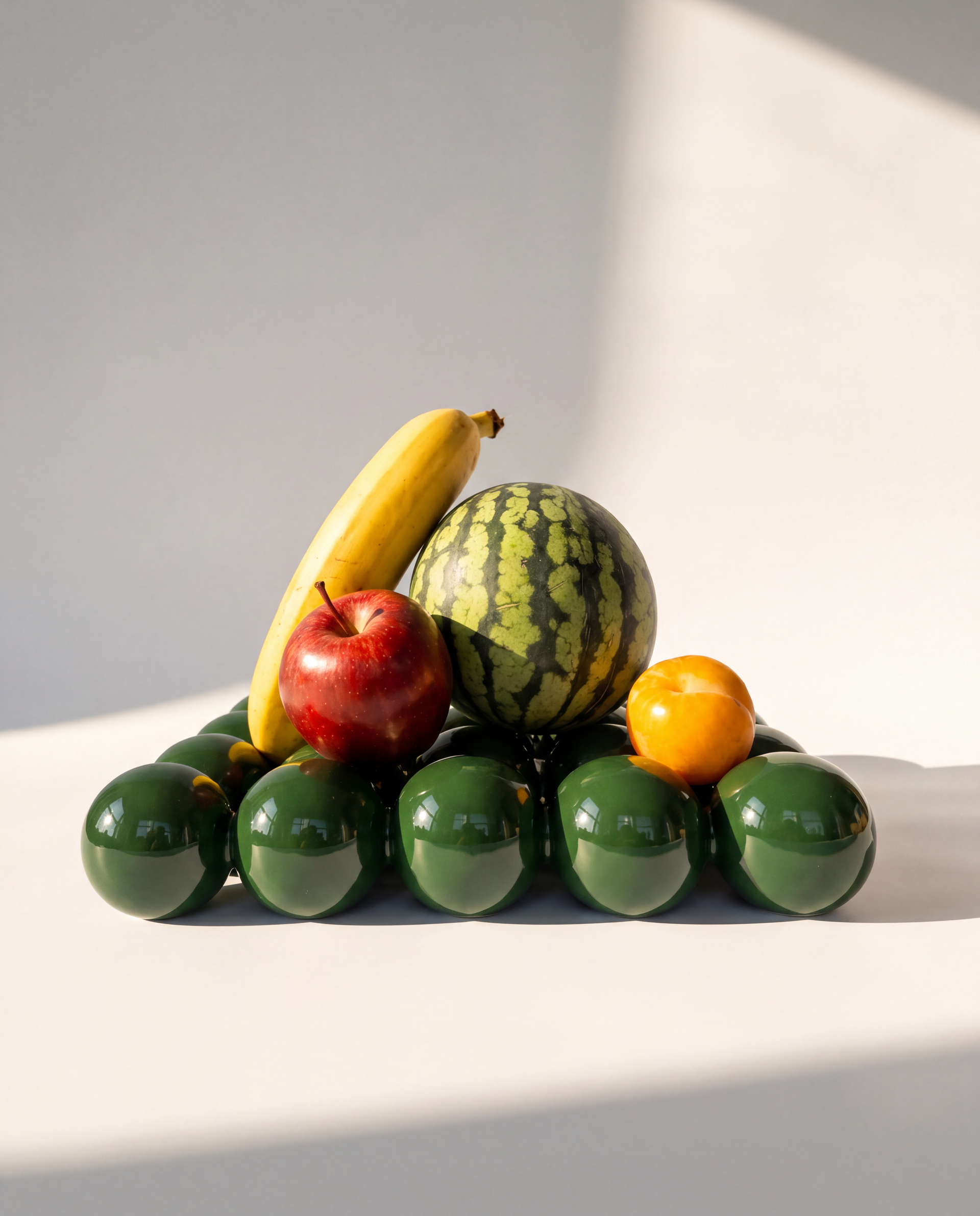
STILL LIFE Fruit Bowl
Your objects often introduce an unexpected gesture like the curve of VITA, or the little legs of BUDDY. How do you find the point where an object remains functional but begins to acquire a personality of its own?
Every design starts with a question: what does it want to say? The personality grows from that.
With BUDDY, the question was what a planter could do beyond looking aesthetically pleasing and holding a plant. A plant is a living thing in your home. You care for it, feed it and grow attached to it. Giving the planter four little legs felt like a natural way to express that relationship, making it feel a little more like a creature sharing your home.
ALCHEMY began with noticing what happens when we light a candle: solid wax melts, becomes liquid and then vapour. There is something extraordinary in that familiar process, and in the way a small flame can transform a dark space. The holder is an invitation to notice transformation.
Both objects fulfil their function, but each brings an emotional layer to an everyday act. That is where their personality comes from, beyond how they look or what they do.
HOUBI has a strong theatrical presence, turning function into decoration. How far can you push creativity and expression before an object begins to lose its functionality?
For me, the story comes first, but the object still has to fulfil its purpose. The question is how much you can change the way someone uses it, and whether that change adds something to the experience.
Take VITA, for example. It’s not a vase you can just throw flowers into. You have to guide the stems gently and think about their placement. It asks for more attention, but that becomes part of the pleasure: slowing down and taking care over an arrangement, a little like ikebana. It won’t suit every flower, and I’m comfortable with that.
VITA also challenges our view of beauty. A vase is usually there to display flowers at their best, but there is something compelling about what happens beyond that moment. As the petals fade and the stems bend, a different kind of beauty emerges. The vase invites us to stay curious and appreciate that stage too.
"If an object makes a familiar task more deliberate or encourages you to notice something you might otherwise overlook, that extra effort has a purpose. If it simply makes the task harder, I would need to rethink it. "
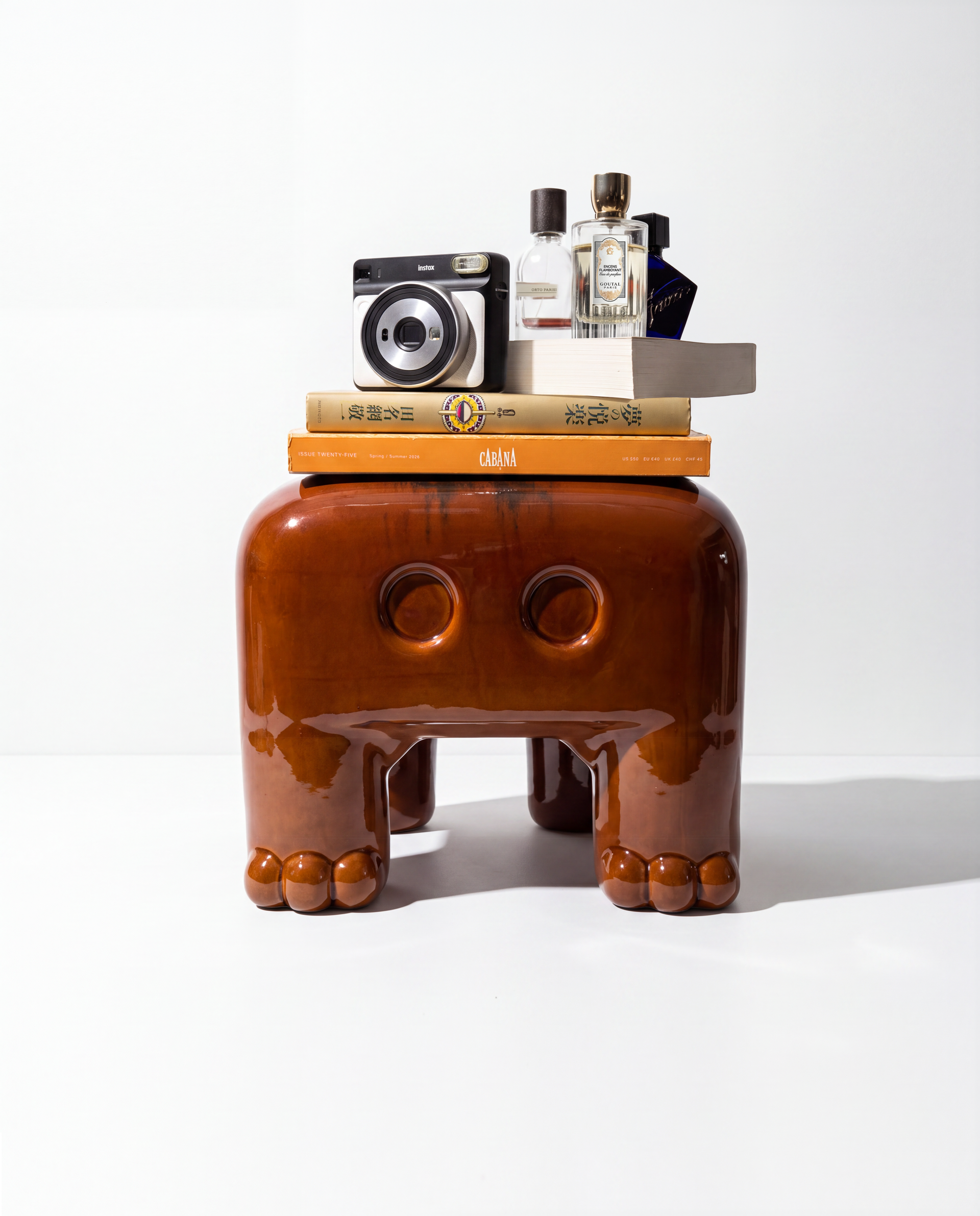
ATLAS Side Table
What drew you to ceramic as HOUBI’s main material?
Our first collection is made in earthenware ceramic. It’s a material that has been part of our human experience for thousands of years, and there was something grounding and poetic about starting with earth. Finding the right people to work with also played a part. There was a natural connection with our partners, which made it feel like the right place to begin. HOUBI will expand into other materials, but ceramics will always remain an important part of what we do. It’s where our story begins.
The collection encourages us to notice ordinary actions differently. Do you think contemporary interiors focus too much on how objects look, rather than on the experiences and rituals they create?
There are a lot of beautiful things out there, and I’m drawn to them myself. I don’t think every object has to offer something beyond beauty or function.
But with HOUBI, I want to explore what else an object can bring to our lives. Can it make us pause, notice something differently or find pleasure in an action we usually take for granted? How an object looks is part of that, but so is what happens when we use it.
When developing the first HOUBI’s pieces, how did you decide which objects were worth rethinking?
With only a few pieces in the first collection, each one has a big role in defining HOUBI.
The starting point was familiar objects with the potential to make us see or experience something differently. From there, it was about how the pieces worked together. Each needed its own character, without taking the whole collection too far in one direction. The connection between them had to come through the stories they tell and the sense of wonder they bring to the everyday.
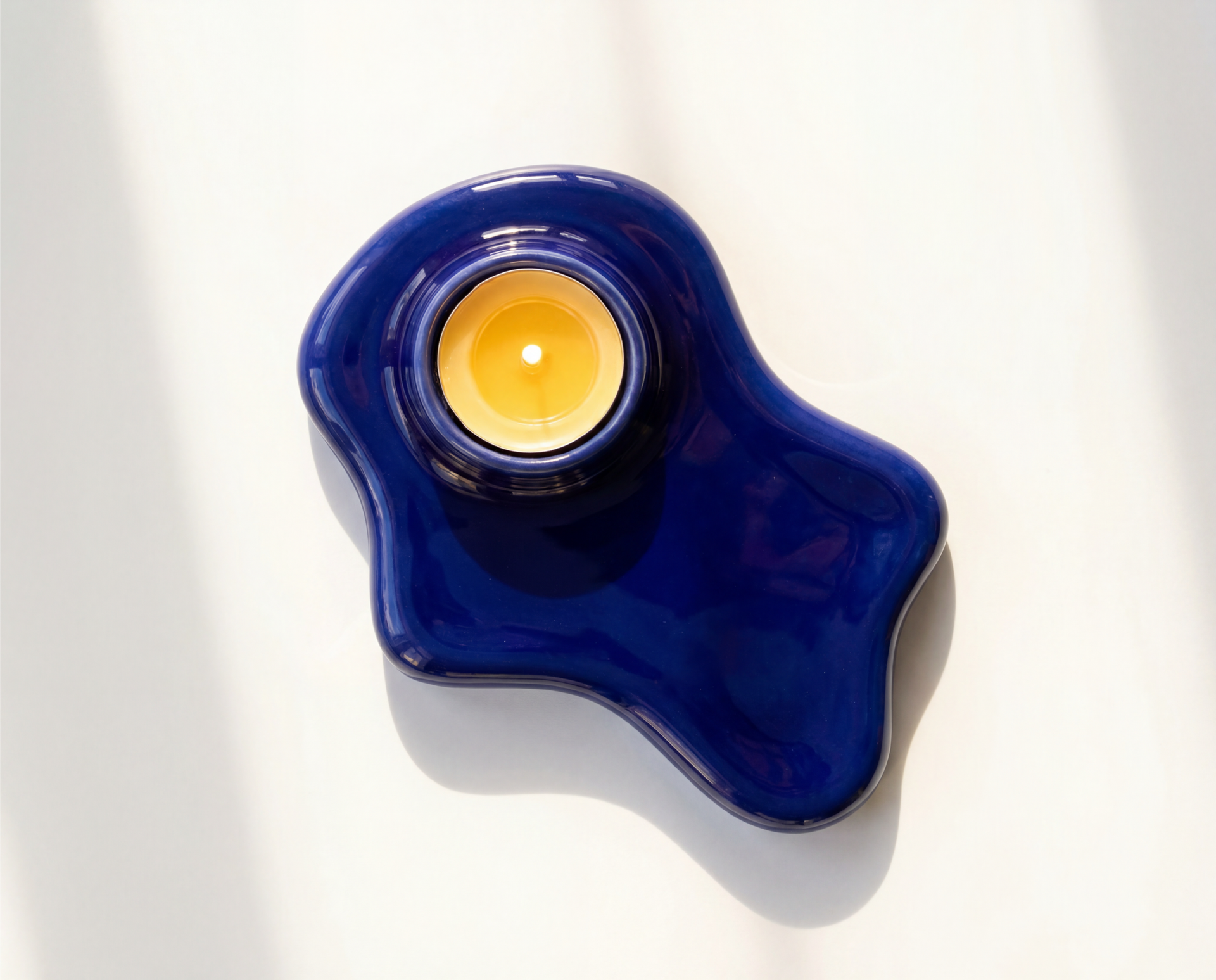
ALCHEMY Tealight Holder
HOUBI is defined by soft, rounded forms and bold monochromatic colours. Could you see future collections introducing sharper lines and/or patterns?
Yes, I can see both becoming part of HOUBI. What matters most to me is tactility: the desire to touch a form or a colour. In the first collection, that came through smooth, rounded shapes. Now I’m experimenting with the opposite: sharper forms and a sense of danger. I’m interested in that tension, in something that looks a little threatening but still makes you want to reach out and touch it.
"We choose objects for all sorts of reasons, and I think there is room in interiors for more attention to how they make us feel and shape our everyday experiences."
Looking beyond these first objects, what kinds of everyday rituals, objects or materials are you curious to explore next through HOUBI?
Right now, I’m particularly drawn to the acts of eating and drinking. They are primal, life-sustaining acts, but also rituals shaped by pleasure, habit and the ways we come together. There is a lot to explore there through the objects we use.
Alongside that, we’re exploring new materials. Ceramics will continue to be part of HOUBI, with glass as the next step.
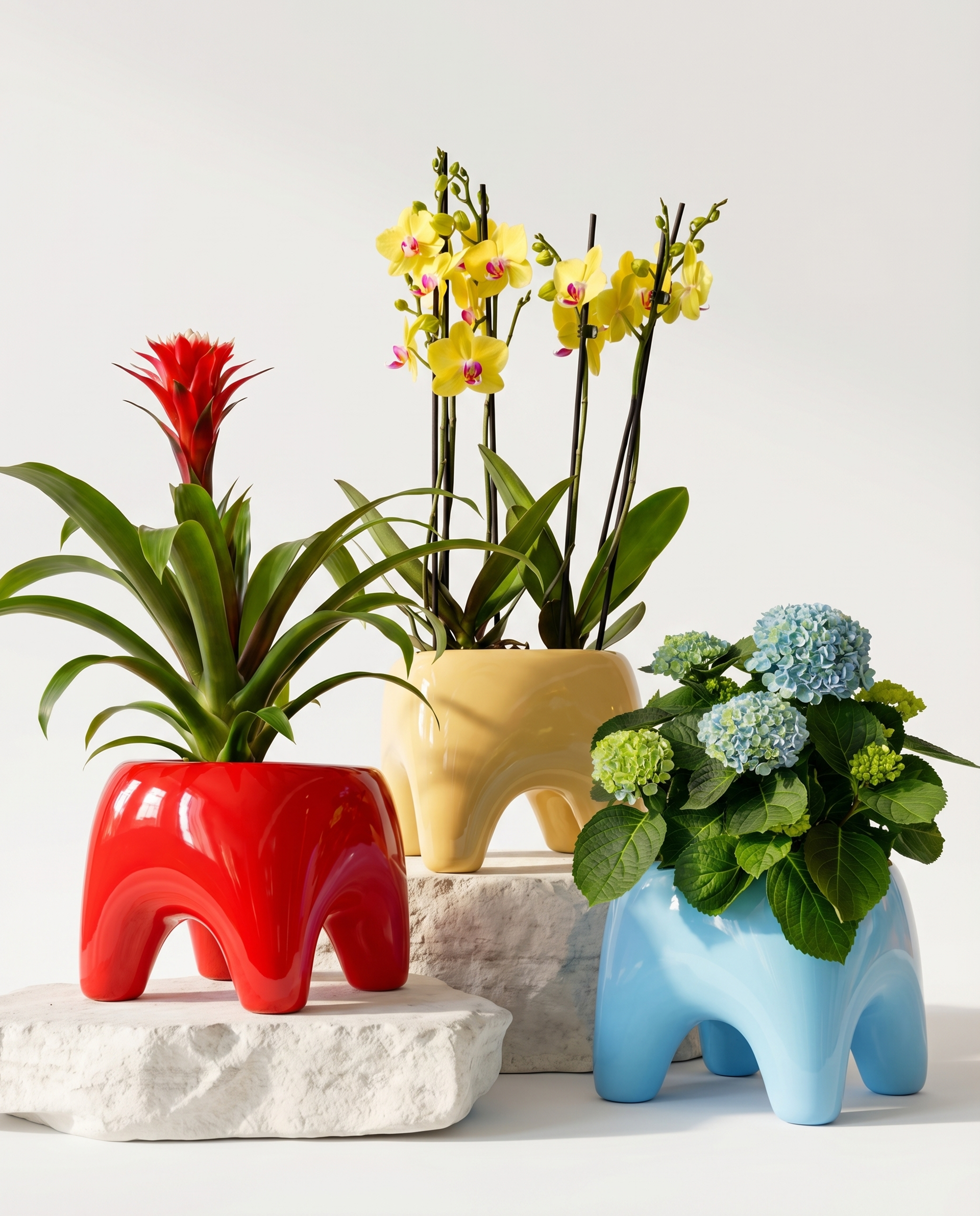
BUDDY Planters
Official Website www.houbihome.com
SHARE THIS
Contribute
G&G _ Magazine is always looking for the creative talents of stylists, designers, photographers and writers from around the globe.
Find us on
Latest News

Subscribe
Keep up to date with the latest trends!
Popular Posts