


Casa Toro

August 29, 2024

Estudio Carroll projected a 250 m² house for a couple that longed for their own corner of paradise on the Oaxacan coast, Mexico.


In an era where global temperatures are rising year by year, the responsibility of architects and designers to contribute to energy-efficient projects becomes essential. This responsibility was the guiding light that illuminated Estudio Carroll's vision for the creation of this residence.


The house is located in La Barra, a region characterized by rugged terrain that offered us an exceptional location, elevated enough to provide sea and mountain views practically from the street. The 357 m² plot has a distinctive shape defined by vertices pointing to the north and south, meeting at a right angle to the east, while in the west, they gently merge in a curve that offers us a panoramic view of almost 180° of the sea.


The building's geometry adapts to the shape of the land; two circles with the same radius were projected to intersect in such a way that the center of one coincides with the development of the other. Inscribed within them are two squares that house most of the functional areas.


The resulting extrusion of these forms gives rise to two cylindrical volumes that connect, creating an enveloping structure of vibrant blue concrete that evokes the shades of the ocean. This envelope is perforated by cylinders, creating openings oriented towards the four cardinal points. Inside, habitable spaces are developed, open to allow the flow of naturally cooled air from the gentle sea breeze, eliminating the need for air conditioning. Large sliding screens made from wood strips define the interior spaces and encourage a versatile architecture in which the interior blends with the exterior. The living areas and rooms transform into terraces, and the dining room integrates with the pool. The program's distribution and the ability to open entire sections of the house create an interactive circuit between spaces, turning the house into a meeting point between the residents and nature.


The choice of materials is based on the importance of using local elements crafted by the community. The sea, sand, and vegetation were the main sources of inspiration when selecting the materials that make up this project. The blue tones of rustic concrete evoke the sea, while the arches recall the waves breaking on the sand-colored chukum floors and walls. The macuil wood of the screens rises like a forest protecting from the sun.


In summary, this project stems from a reflection on the impact of buildings on their surroundings. The flow of the wind and its influence on the sea currents dictated the permeability of the building, harnessing these currents to ensure greater energy efficiency while providing its residents with an exceptional refuge in complete harmony with the landscape.


Photography Cesar Belio, Marco Davalos

Architecture Estudio Carroll

SHARE THIS

 Contribute

G&G _ Magazine is always looking for the creative talents of stylists, designers, photographers and writers from around the globe.

WRITE US

 Find us on

Latest News

G&G _ Magazine explored the answers through conversations with the people who make, shape and rethin
By Zhanna Lysohorova • October 26, 2026
Before launching the next collection, presenting the next innovation or filling another empty space, Tallinn Design Festival invited us to ask a more uncomfortable question. G&G _ Magazine explored the answers through conversations with the people who make, shape and rethink design.
By G&G _ Magazine • October 20, 2026
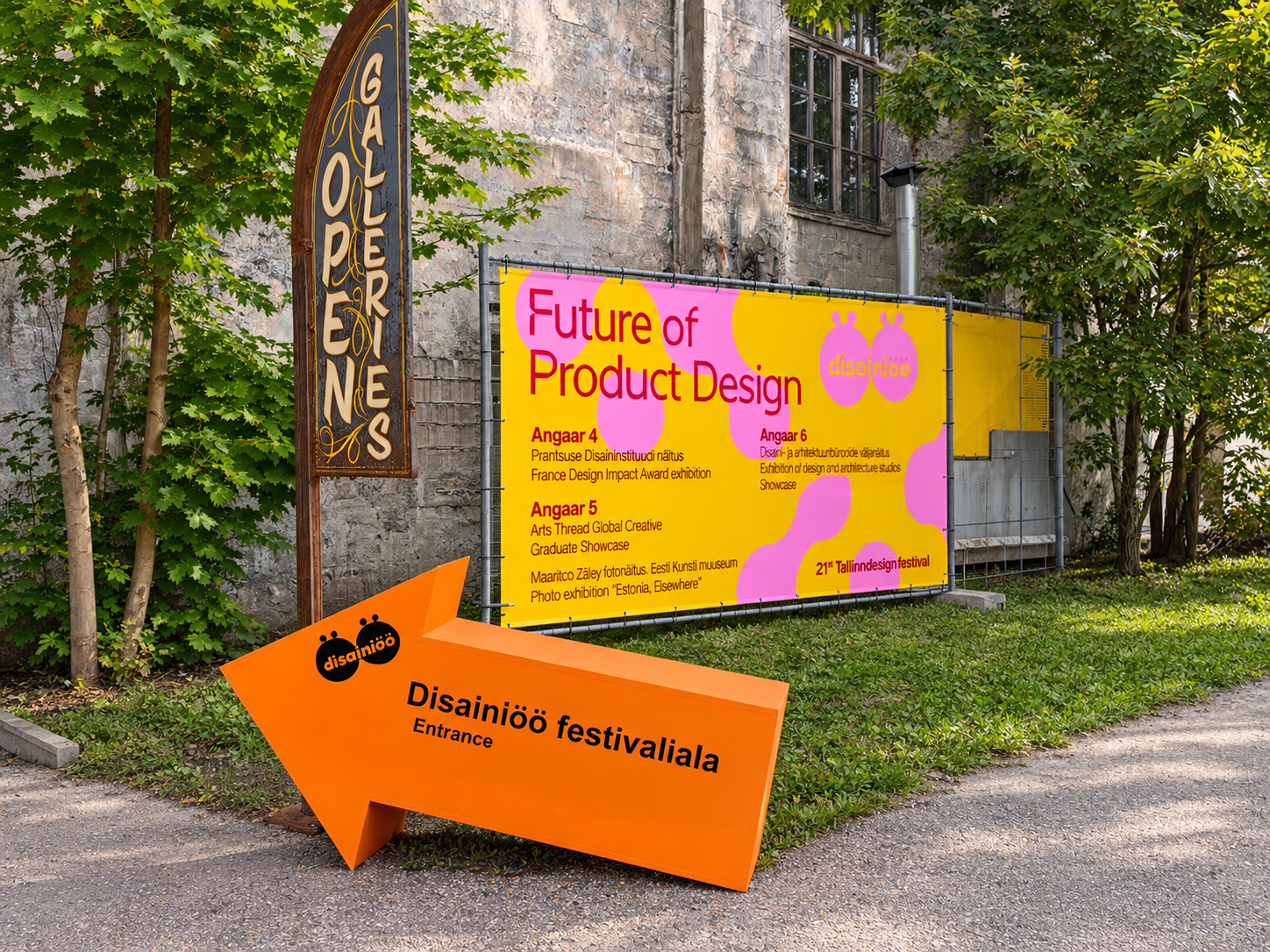
The 21st edition of Tallinn Design Festival , held from 28 September to 4 October 2026, offered a rich illustration of a design scene that extends far beyond the object, and beyond the walls of a single venue. Under the theme Future of Product Design , the festival explored how sustainability, adaptability, technological change and material awareness can inform the next generation of products and services.
Maison Margiela Expands Design and Architectural Vision with Launch of its Residences, Dubai
By G&G _ Magazine • October 12, 2026
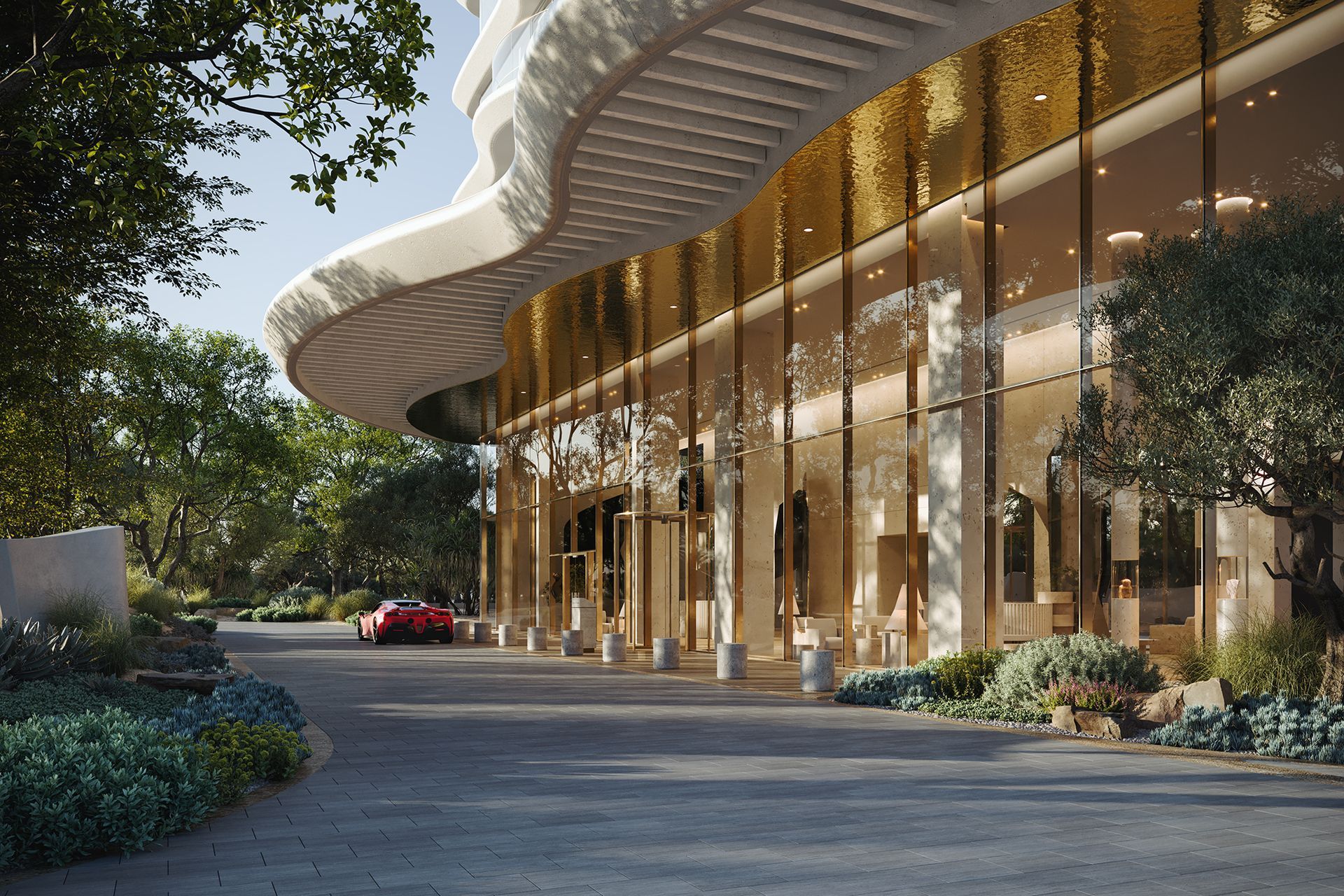
Maison Margiela Expands Design and Architectural Vision with Launch of Maison Margiela Residences in Dubai
Zuchex 2026: from Turkish Craft to Global Design
By Zhanna Lysohorova • October 10, 2026
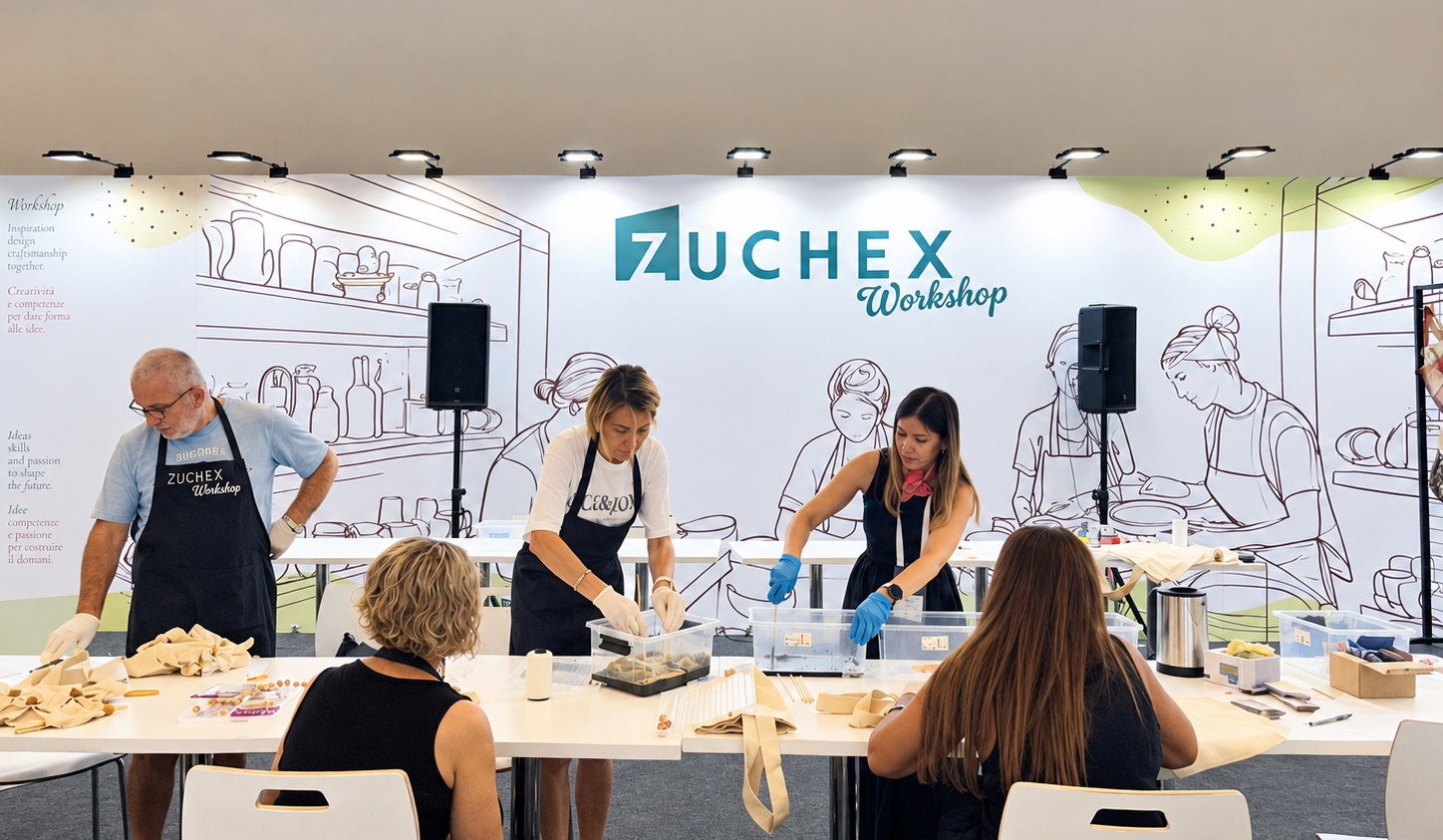
Zuchex 2026: from Turkish Craft to Global Design
By G&G _ Magazine • September 2, 2026
Located in the heart of Las Salesas, one of Madrid’s most sophisticated and creative districts, Only YOU Boutique Hotel Madrid embodies a refined vision of contemporary urban luxury.
By G&G _ Magazine • August 26, 2026
In the heart of Sofia, Juno Hotel blends contemporary design and natural materials into an intimate retreat where refined interiors meet a distinctly residential sense of comfort.
MORE

 Subscribe

Keep up to date with the latest trends!

Receive a dose of inspiration directly into your mailbox!

 Popular Posts

By G&G _ Magazine • September 11, 2026
SISHICRAFT Studio transforms vegetable-tanned leather into delicate handcrafted objects inspired by the botanical world. G&G _ Magazine explores the creative vision behind the brand with Natalie, from transforming botanical inspiration into handcrafted objects to experimenting with material, form and the subtle imperfections that make every piece unique.
By G&G _ Magazine • February 24, 2026
From 5 February to mid-March 2026, across three emblematic locations in Madrid — Institución Libre de Enseñanza, Plaza de Colón and FORMA — LOEWE Perfumes presents Crafted Garden , an immersive installation conceived for Madrid Design Festival 2026 . The project unfolds as a sensory journey inspired by Renaissance gardens, bringing together nature, fragrance and contemporary craftsmanship in a multi-layered exploration of design and olfactory culture.
By G&G _ Magazine • January 21, 2020
Located in Freycinet National Park, Tasmania, the Freycinet Lodge has been in operation since the 1990’s. Having acquired the property recently, RACT Destinations was keen to upgrade. RACT sought tourism advice from Brett Torrossi, to help steer the sensitive project. Liminal was then commissioned to transform the visitor experience through the conceptualisation, design and delivery of nine pavilions tailored to celebrate the scenic qualities of the unique setting. The Pavilions provide a point of difference to the existing 60 cabins, offering a quality, contemporary, eco-sensitive, site specific experience. Liminal drew inspiration for the new Coastal Pavilions from the fluid topography of the nearby bays and layered coastal granite rock formations, while paying homage to the character of the National Park they nestle into.