


Beyond Wood: Innovation and the Future of Circular Materials at FIMMA + Maderalia 2026
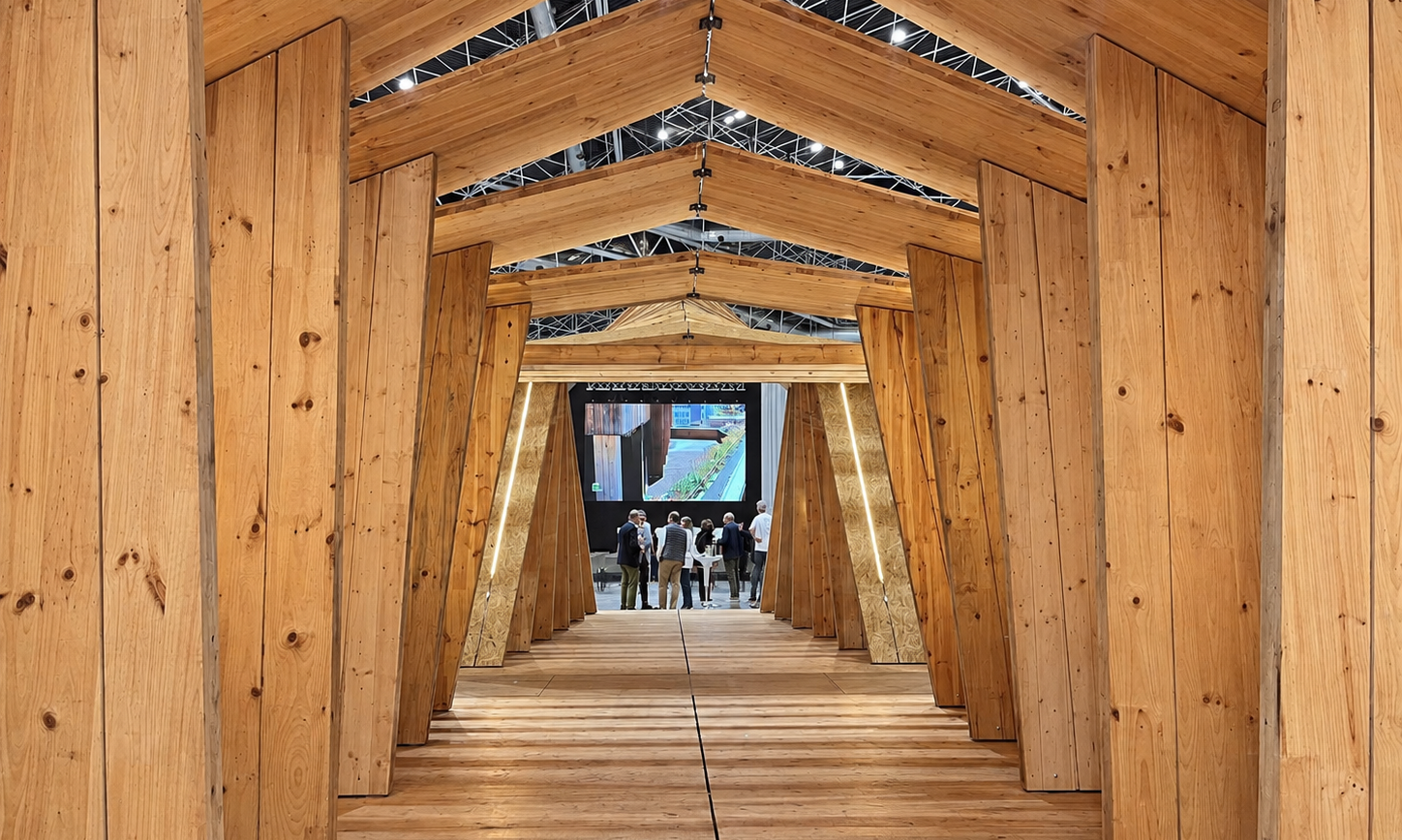
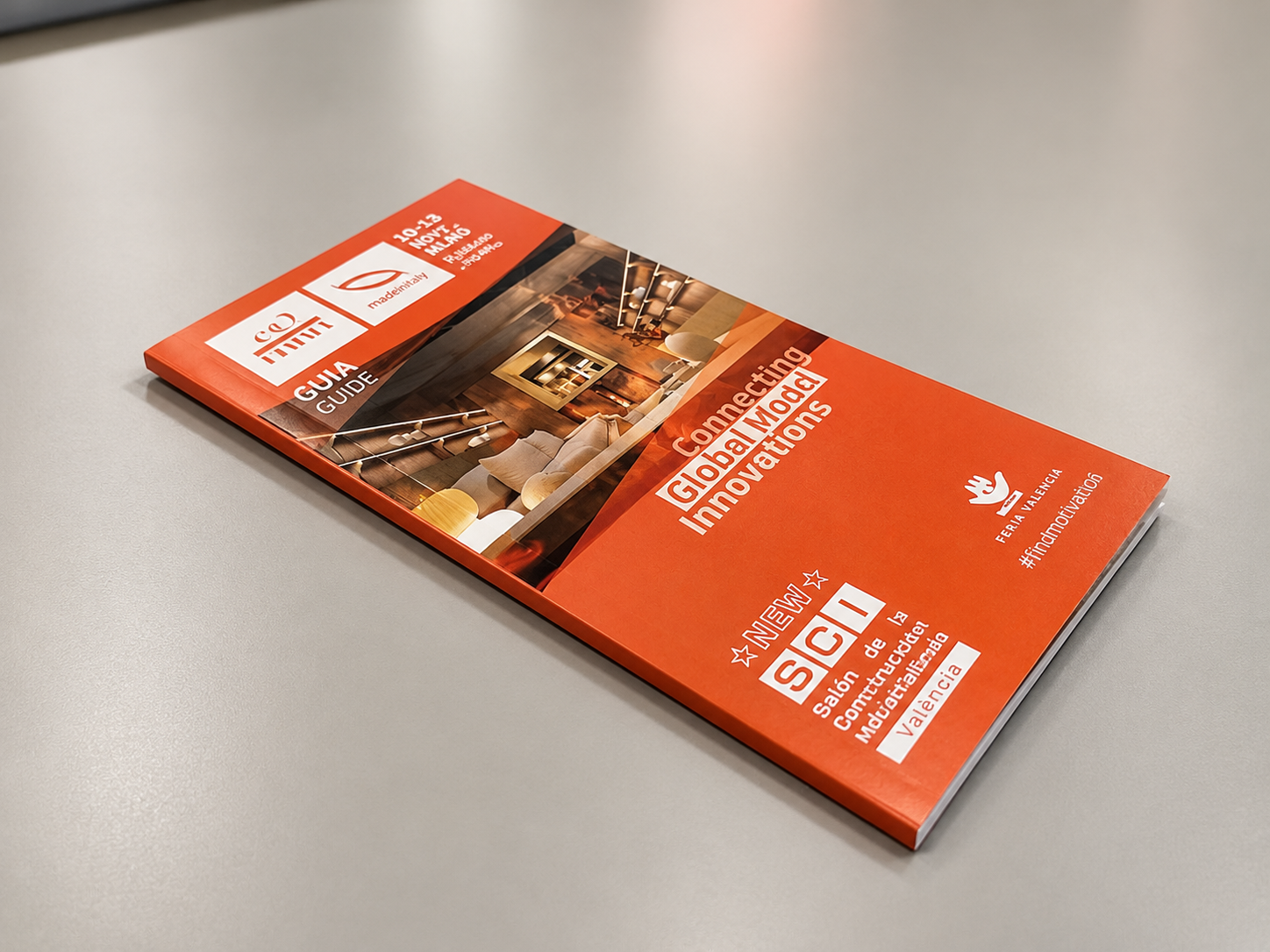
From 10 to 13 November 2026, Feria Valencia hosts FIMMA + Maderalia, bringing together industry professionals to explore the evolving landscape of wood manufacturing, technological innovation and circular economy.
Located just a short distance from both Valencia city centre and the airport, Feria Valencia benefits from a strategic position that makes it easily accessible for international visitors. Its modernist structure not only reflects the architecture of the city but also contributes to the overall experience at the fair. The halls are arranged across two levels with a layout that makes it easy to move from one exhibition space to another and explore both events efficiently.
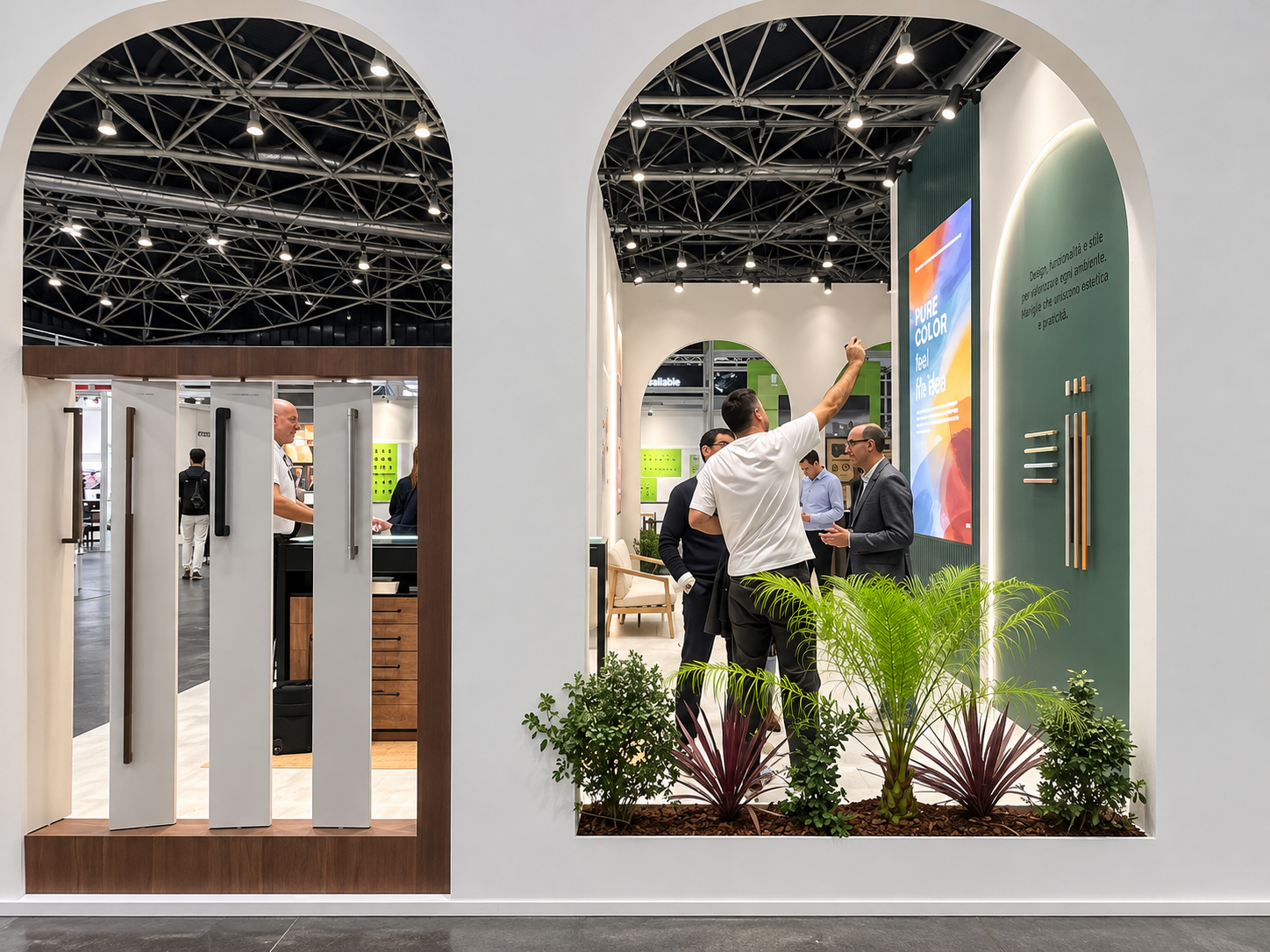
This attention to the visitor experience is reflected in the way Maderalia's exhibitors present their collections. The stands are far from being simple product displays; instead, they're designed to spark curiosity and encourage visitors to explore new collections, products and applications. Moving away from the conventional showroom approach, many exhibitors play with visibility, creating a subtle hide-and-seek effect that invites visitors inside and gradually reveals the materials, technologies and solutions on display.
This approach is particularly relevant in an industry where understanding a product means looking beyond its final appearance. The material itself, the manufacturing processes and the technology and research behind it are equally important in appreciating its qualities and potential applications. In this sense, the exhibition offers a broader perspective on an industry undergoing significant transformation, where materials, production processes, technological research and sustainability are becoming increasingly interconnected.
Another noteworthy aspect is the international presence. Alongside established European manufacturers, including several Italian, Portuguese and French companies, exhibitors from China and other Asian markets contribute to a broader perspective on the industry. Their participation reflects the increasingly international nature of the wood and furniture supply chain, as well as the growing influence of Asian manufacturers in the global production landscape.
TECHNOLOGY MEETS EVERYDAY FUNCTIONALITY
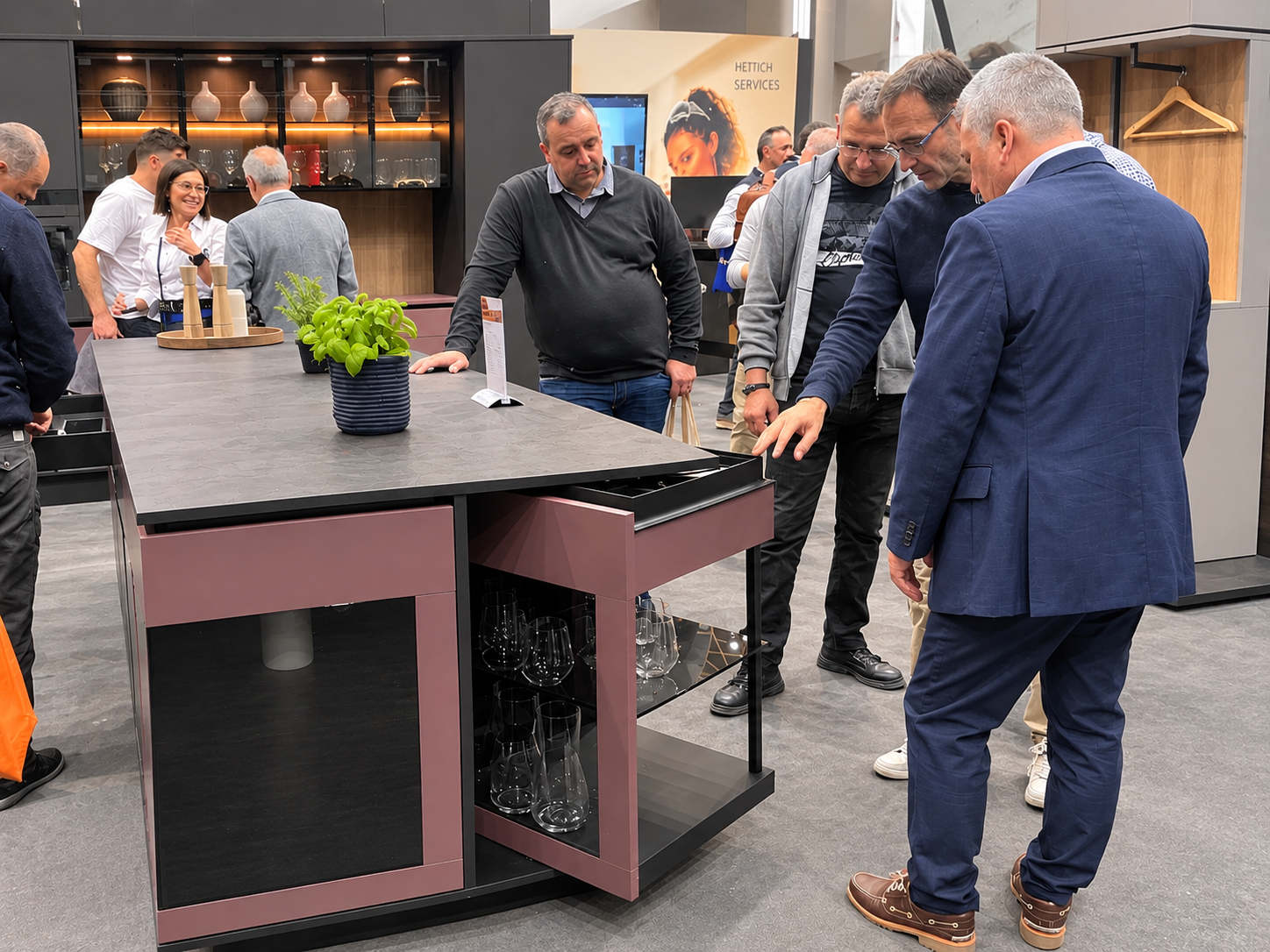
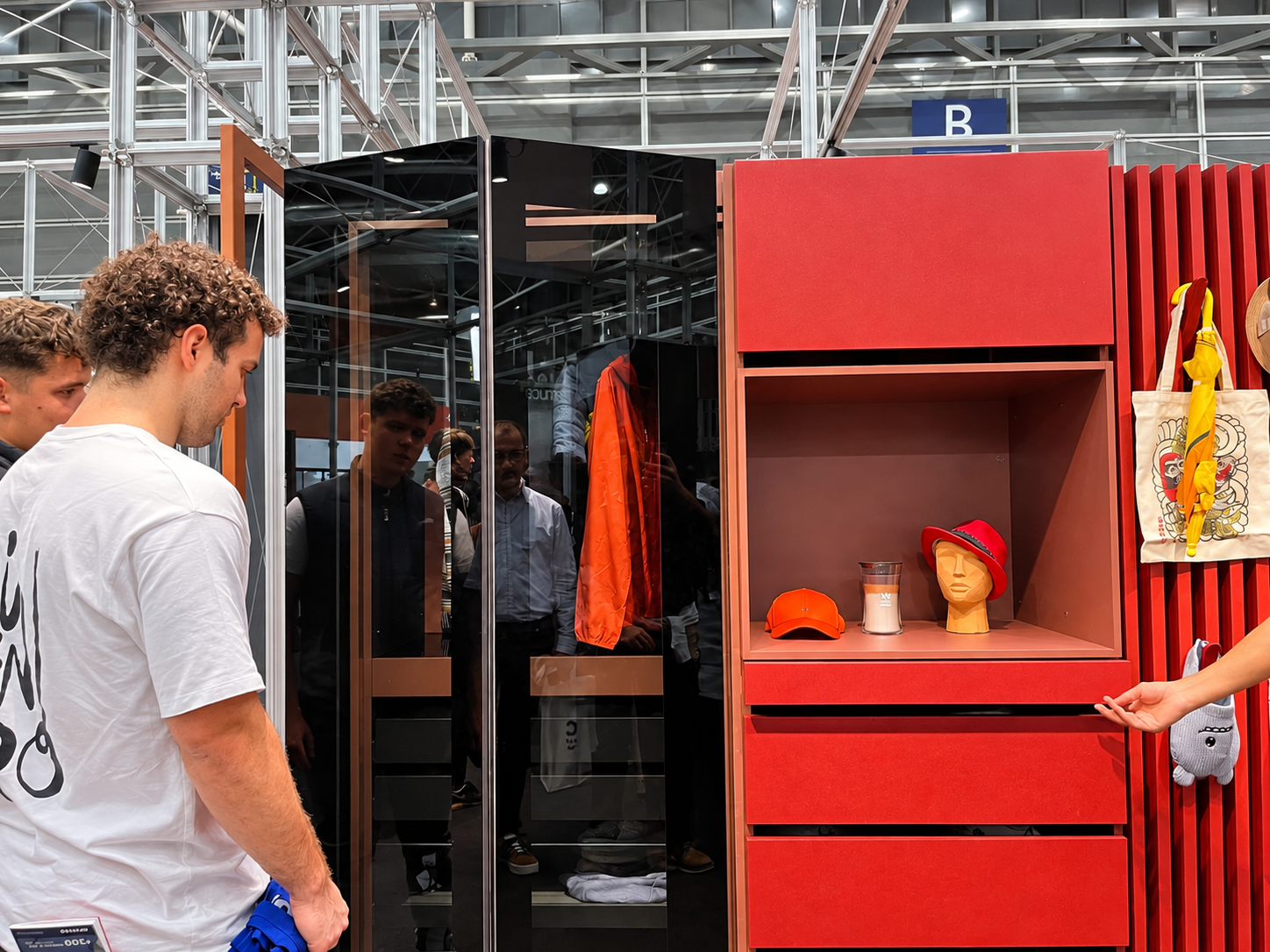
One of the recurring themes throughout the exhibition is the growing importance of Storage Solutions. No longer seen as a purely technical aspect of furniture design, storage has become an integral part of the aesthetic and architectural concept of contemporary interiors, where functionality and visual simplicity increasingly go hand in hand.
Companies such as Hettich demonstrate how innovative mechanisms can be seamlessly integrated into furniture solutions for everyday living. Among the highlights of its presentation were products from the SpinLines range, featuring the innovative FurnSpin system. With a simple rotation, a closed cabinet front can transform into an open shelving unit, revealing an entirely different configuration. A clever combination of rotating and pivoting movements that rethinks the way storage can be accessed and integrated into interior spaces.
The Austrian company Blum, specialising in furniture fittings and motion technologies, takes a similarly functional approach, presenting solutions designed to improve ease of movement and everyday comfort throughout the home. Often, it is the smallest details that make the biggest difference. From kitchens and bathrooms to wardrobes and concealed storage systems, the growing demand for clean, uninterrupted interiors is encouraging new ways of integrating practical functions into architectural elements. Walls can conceal doors, compartments and additional storage areas, allowing spaces to maintain a minimal aesthetic while making the most of every available centimetre.
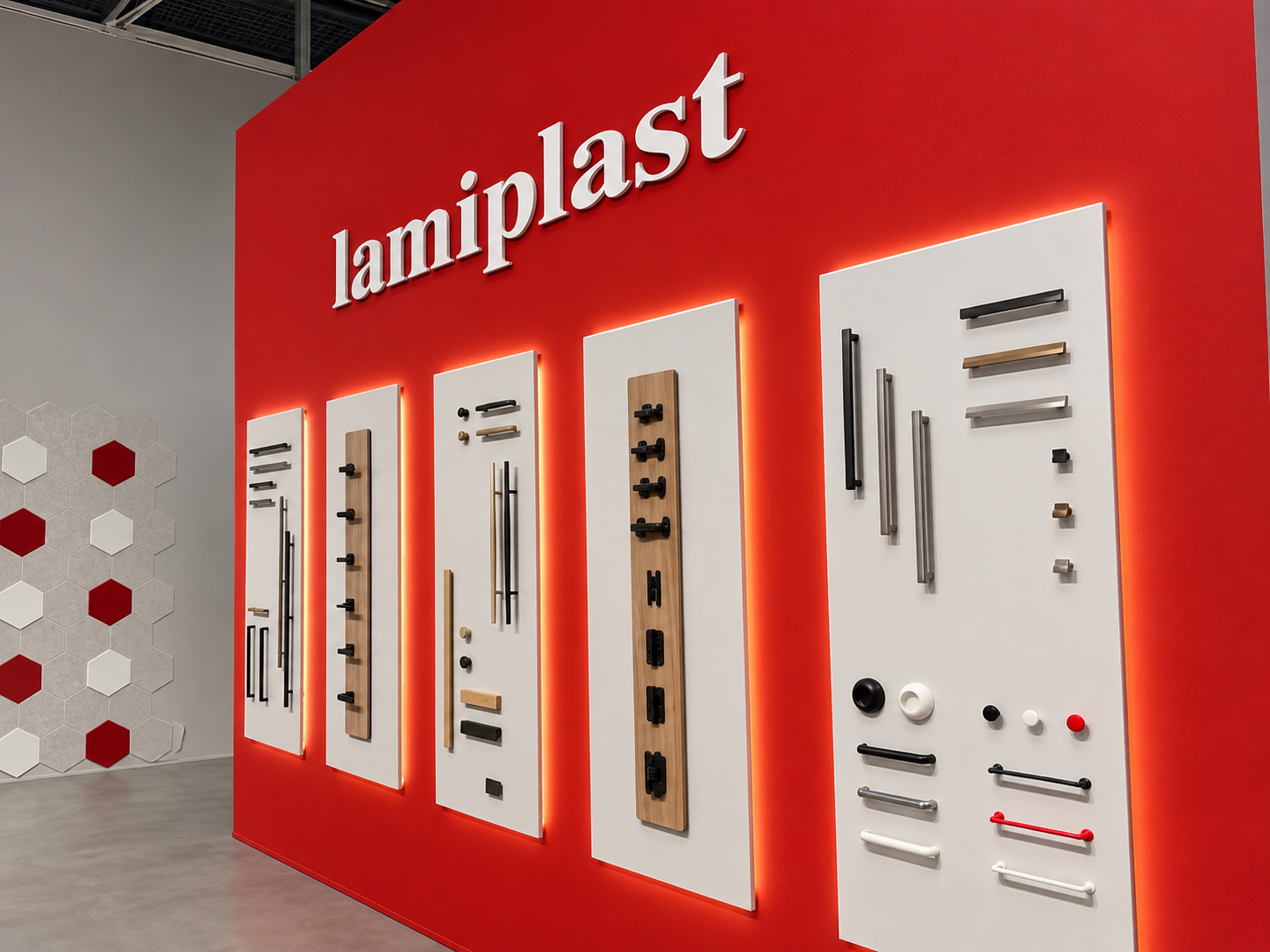
Moving from residential interiors to the workplace, Lamiplast places material research at the centre of its approach to evolving working environments. Its coworking solutions demonstrate how the use of innovative materials and surfaces can contribute to creating more flexible and adaptable spaces, with particular attention to human well-being and the changing needs of contemporary work.
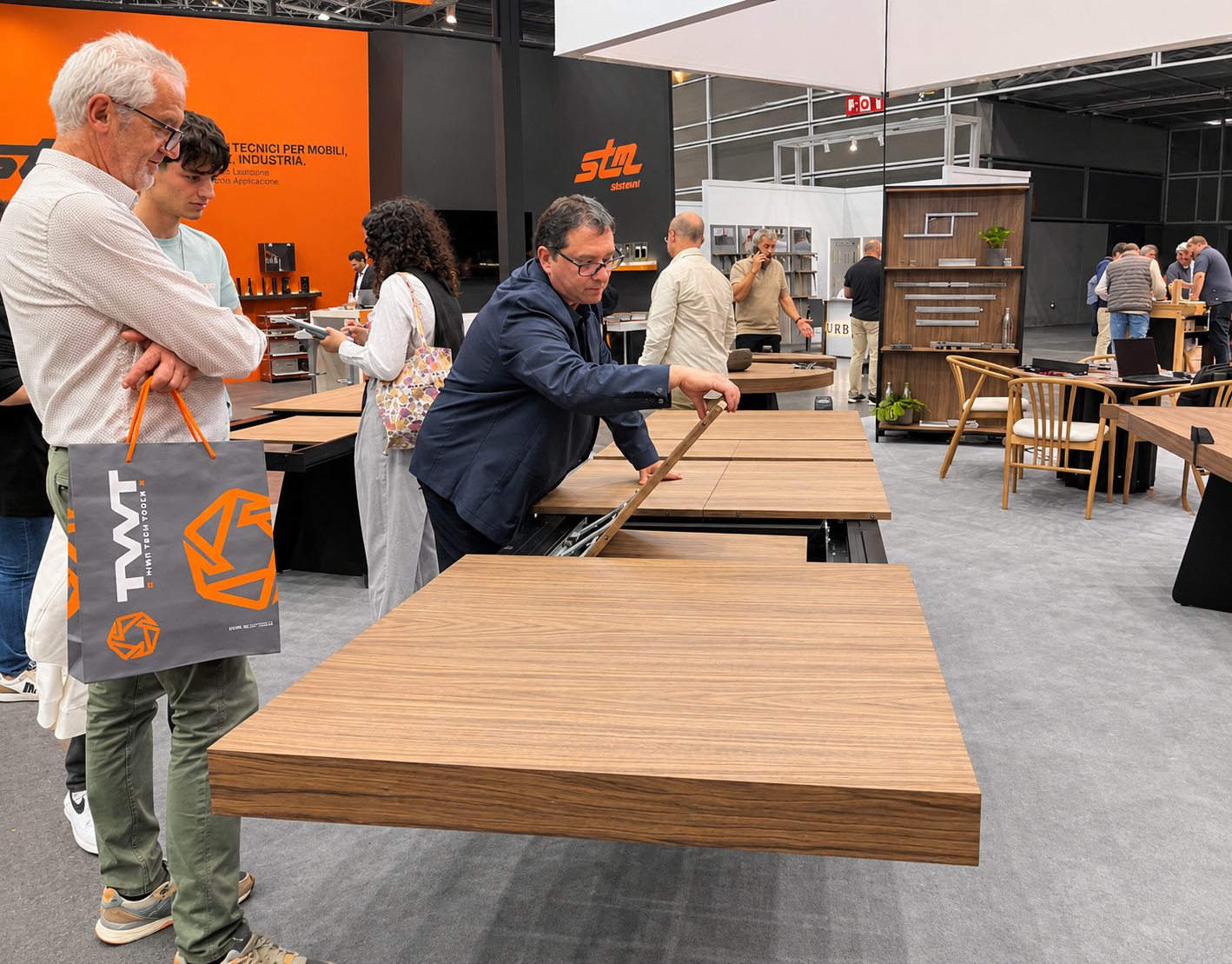
MM Slyde Systems, meanwhile, explores another increasingly popular feature in contemporary homes: extendable tables. Designed to respond to changing everyday needs, these solutions allow furniture to adapt effortlessly, moving from compact configurations to larger surfaces for dining and social gatherings - a practical response to the growing demand for versatile furniture that can make better use of available space.
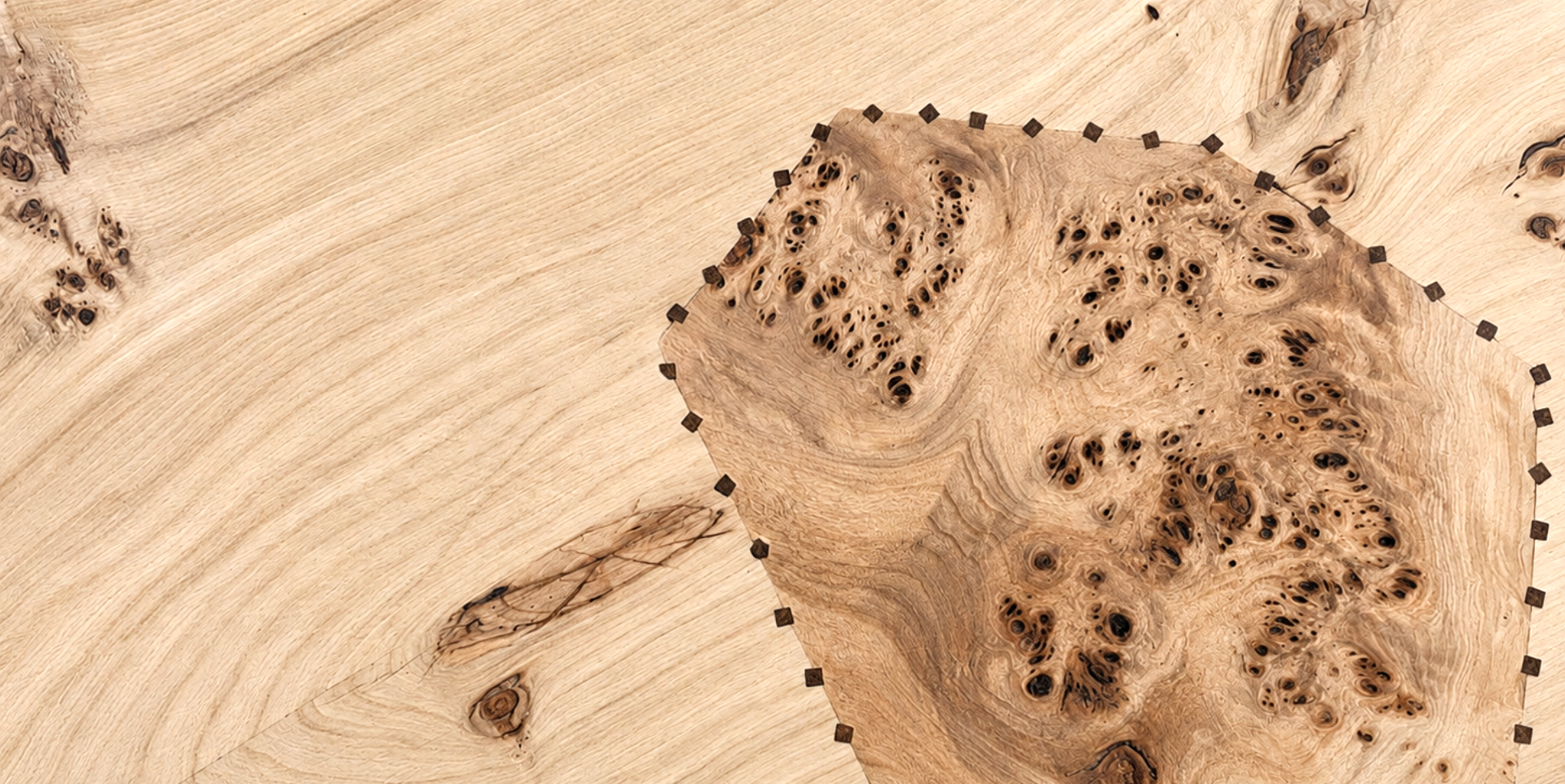
MATERIALS AS AN EXPERIENCE: A CLOSER LOOK AT WOOD
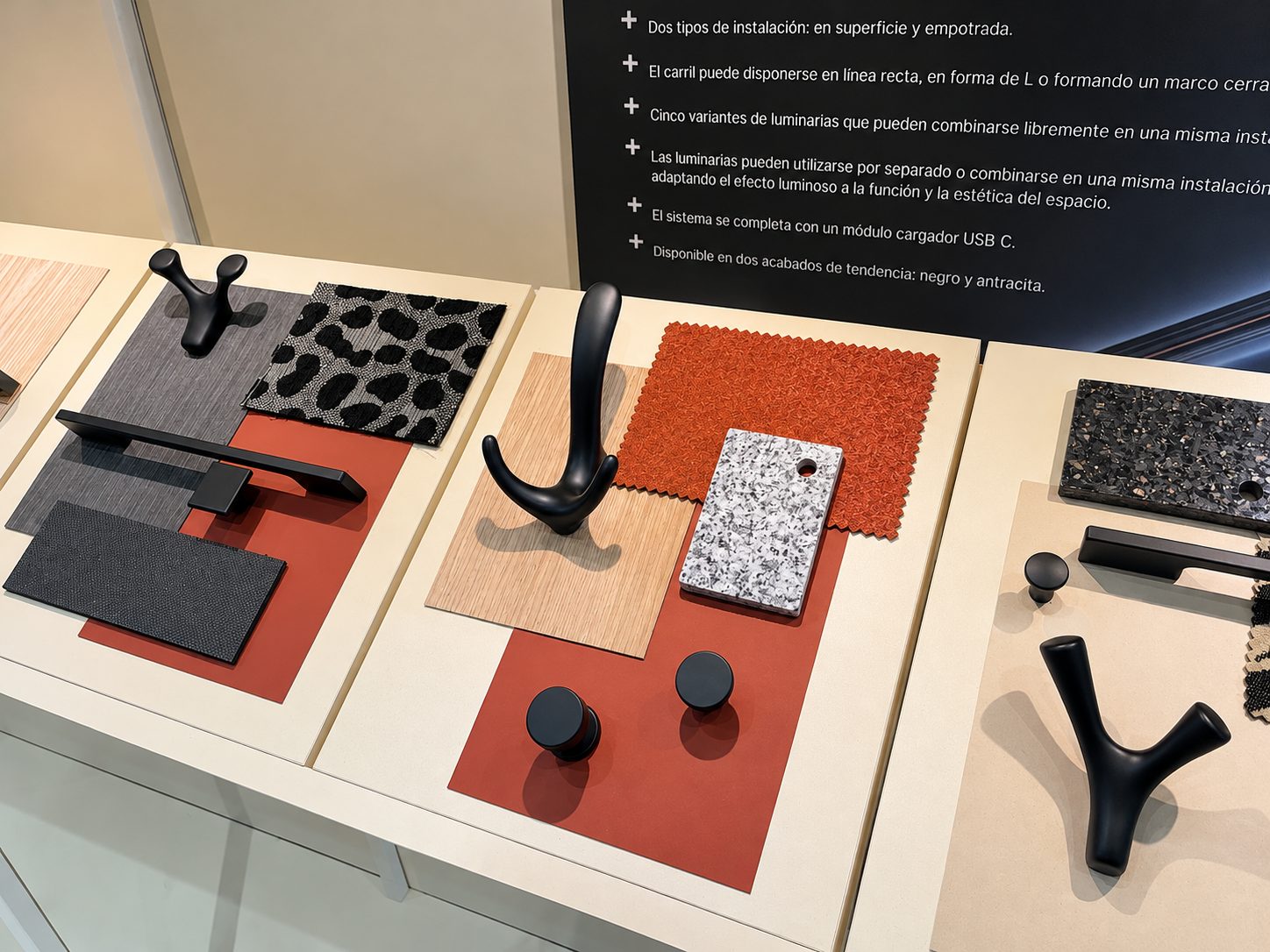
Materials continue to play a central role in contemporary design. Textures, tactile qualities, colours and the way surfaces interact with both their surroundings and people all contribute to shaping the identity of a space.
This approach is explored by Viefe, whose collaboration with Raw Color highlights how colour can influence the perception of objects and interiors, opening up new possibilities in the relationship between materials, design and everyday experiences.
“Beyond a single surface lies a world of design possibilities waiting to be explored. Harmonizing different colors, patterns and textures into a unified rhythm, our Synchrony collection adds a new dimension to the story of a space.”
Yet, despite its long-standing presence in architecture and furniture making,
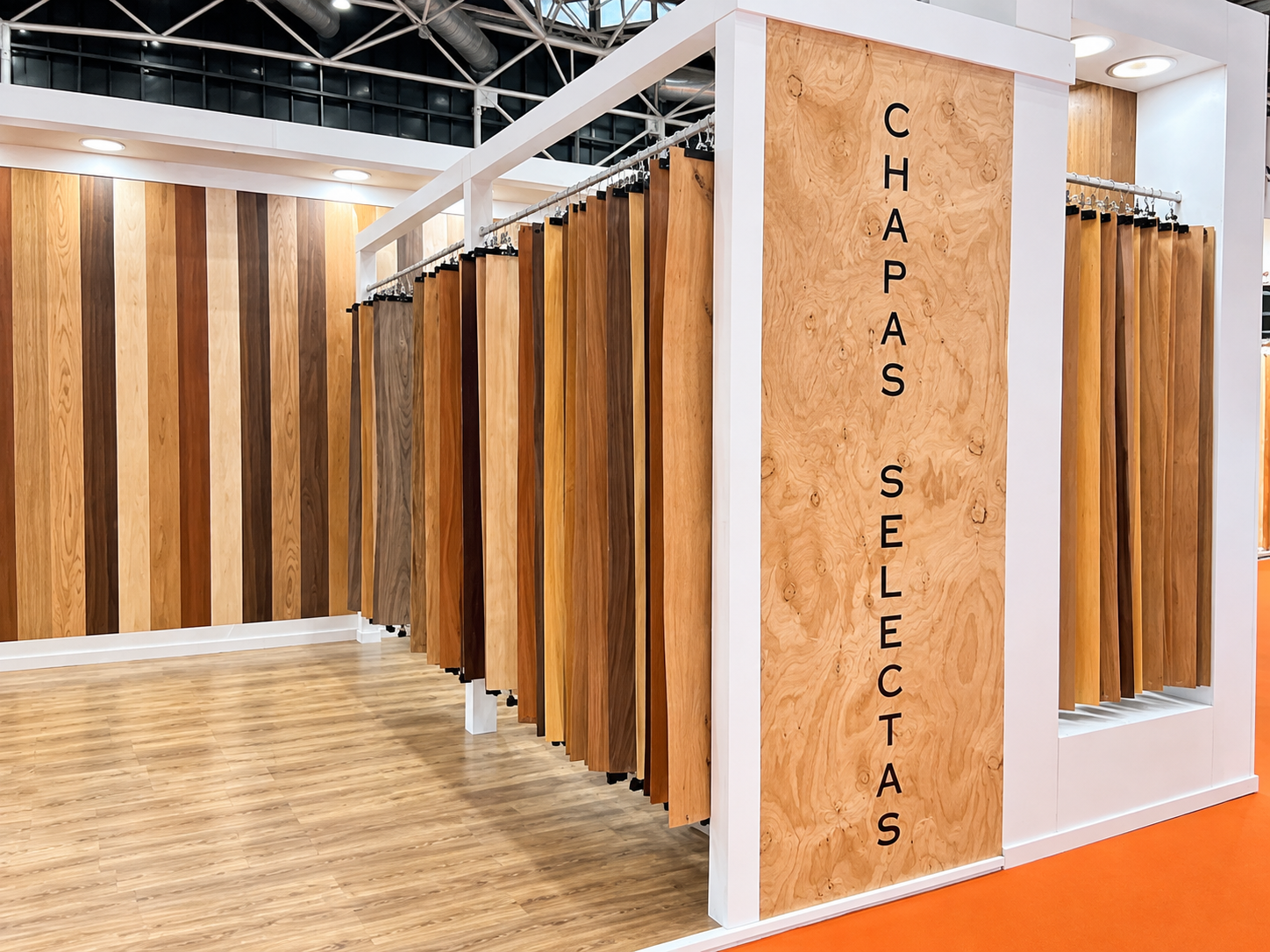
wood remains one of the industry's most versatile materials. Its natural warmth, tactile qualities and adaptability continue to make it a favourite in contemporary interiors, while its potential for responsible sourcing and reuse places it at the heart of the conversation around sustainable design.
However, sustainability goes beyond simply choosing natural or recycled materials. The real challenge lies in rethinking the entire production chain, from responsible sourcing and material processing to waste reduction and product durability. Here, technology and engineering play an essential role: more precise manufacturing processes and better resource optimisation can help reduce waste while improving efficiency. Ultimately, the future of a more sustainable wood industry depends on bringing material knowledge, innovation and circular thinking together.
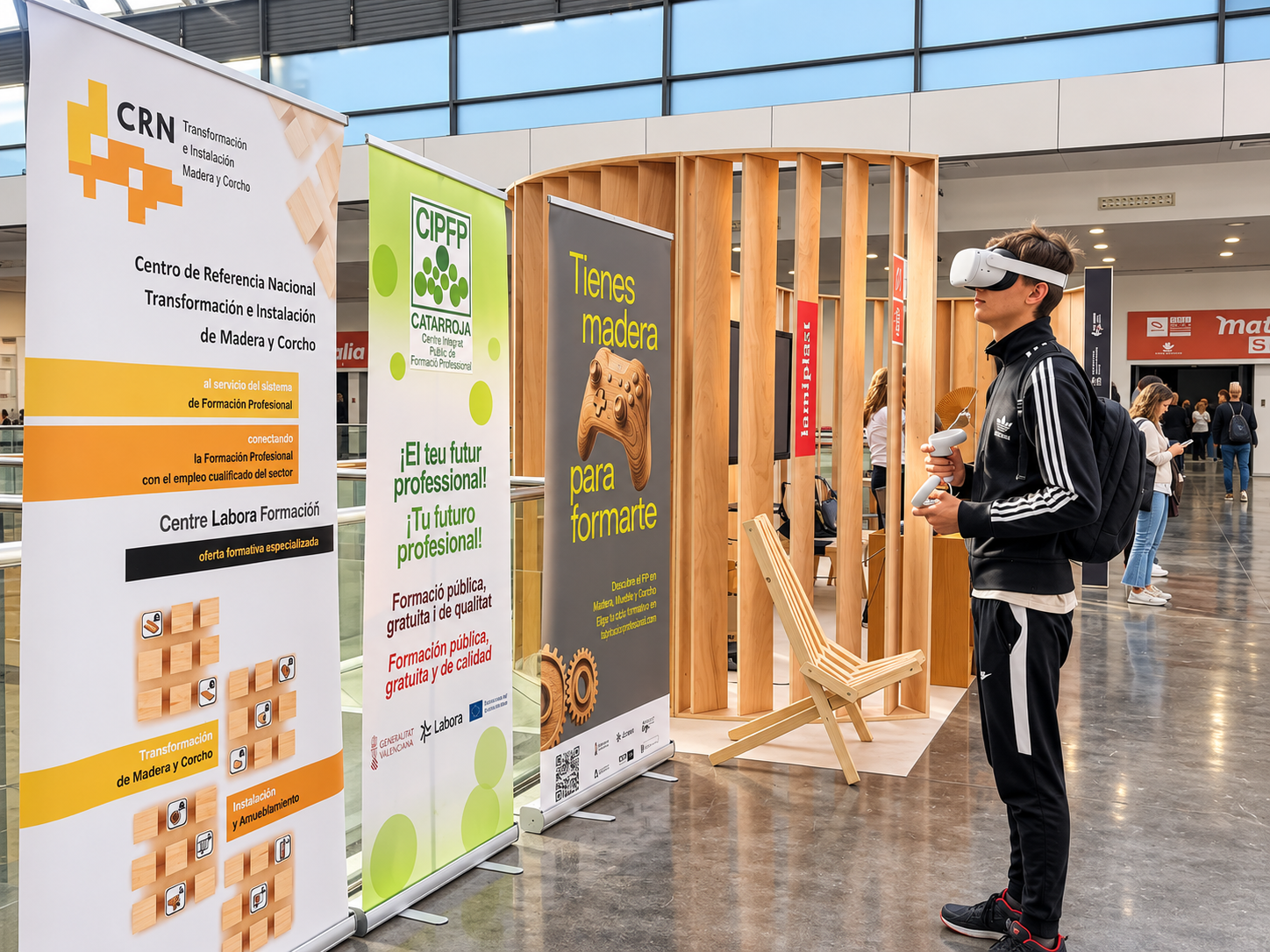
ENGINEERING FOR DURABILITY AND SUSTAINABILITY
The evolution of materials goes hand in hand with advances in engineering. Research and technological development are essential not only to creating innovative solutions, but also to ensuring that they remain reliable over time. This is where durability becomes a key part of the sustainability conversation: products and components designed to last longer can reduce the need for replacement and, in turn, help limit resource consumption. This is particularly important when materials are exposed to demanding environmental conditions. Outdoor applications, for example, require doors, surfaces and structural elements capable of withstanding rain, wind, temperature changes and other external factors.
Spanish company Teko Wood explores this relationship between wood and technical performance, highlighting how specific treatments and solutions can adapt the material to different environmental conditions. The treatment of wood is, in fact, an important field of research, aimed at preserving and enhancing its natural properties while expanding its potential applications.
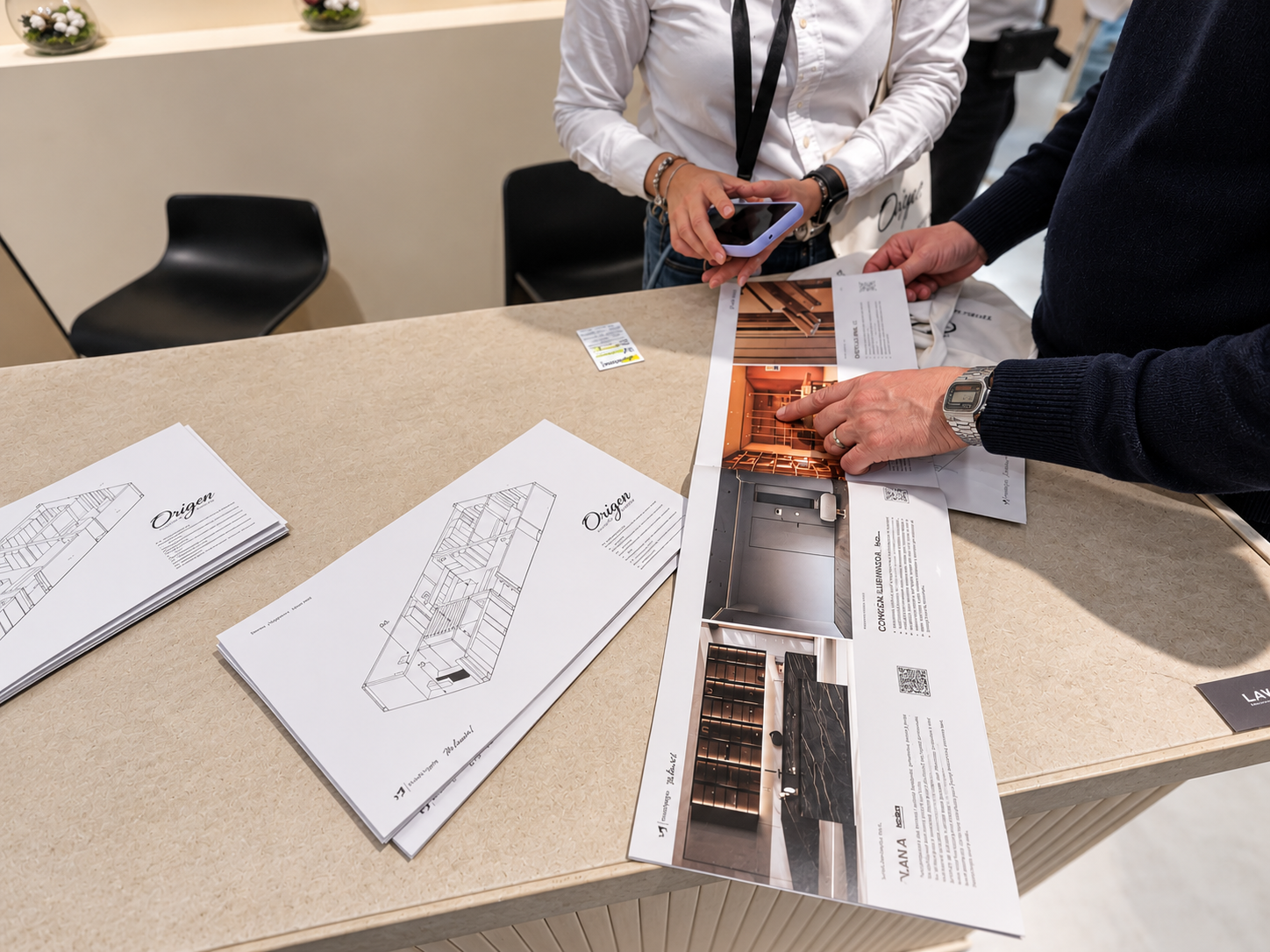
Beyond individual materials and products, the industry's development increasingly relies on collaboration between different areas of expertise. Machinery manufacturers, component specialists, materials researchers and engineering companies all contribute to a production ecosystem in which technologies need to work together. Within FIMMA,
Bianditz represents this more technical side of the sector, with solutions focused on optimising industrial processes. It is a reminder that innovation is not limited to the finished product: efficiency, precision and the way things are manufactured are just as important.
“An industry can only move forward when it learns to look beyond what it already knows. The real challenge is not simply to keep up with change but to anticipate how people will live, build and use materials in the years to come. That is where experience becomes just as valuable as innovation.”
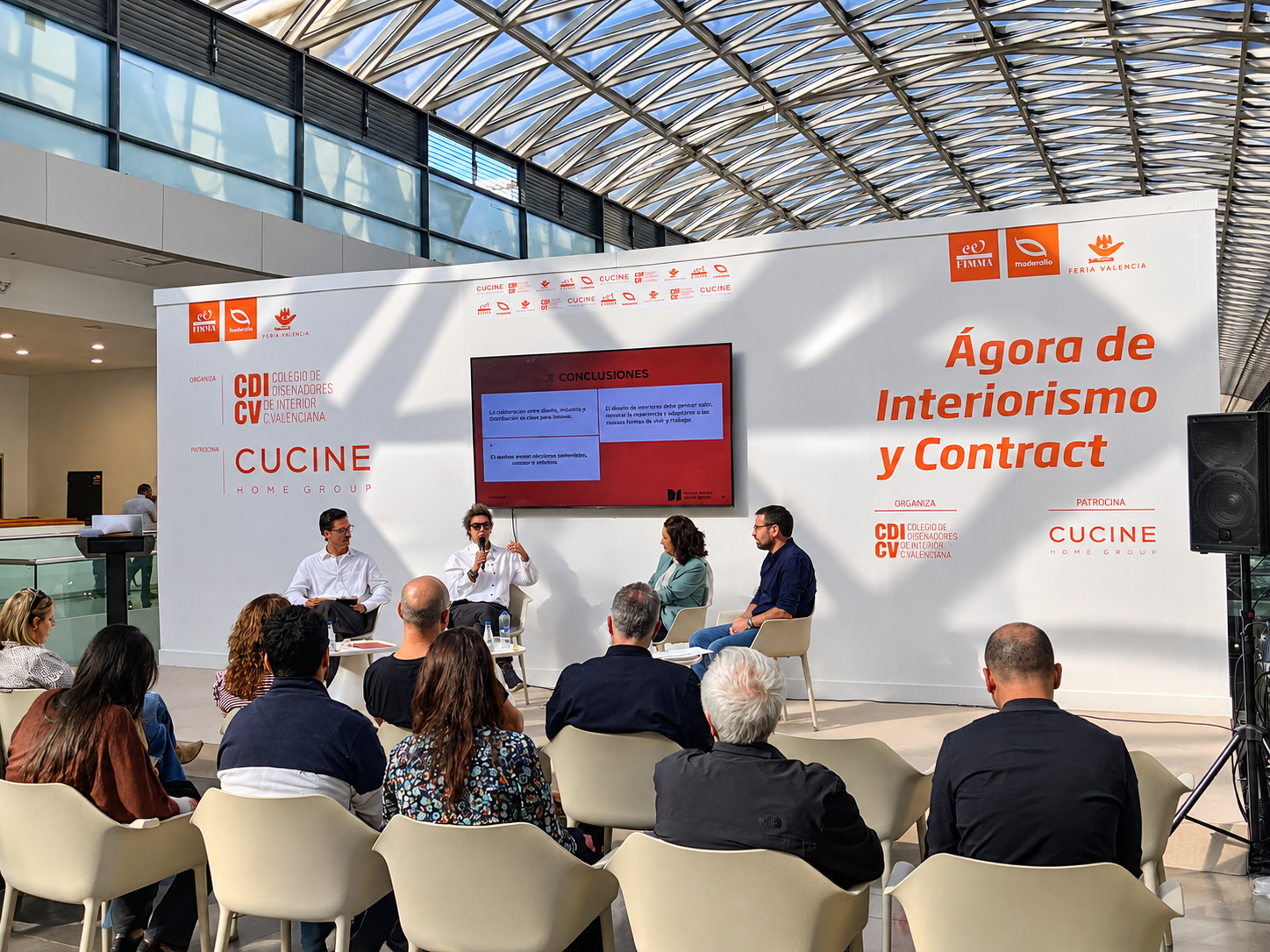
Beyond the products and technologies on display, FIMMA + Maderalia 2026 confirms the importance of international trade fairs as meeting points for manufacturers, buyers, architects, designers and other industry professionals. The combination of Maderalia's focus on materials and components with FIMMA's machinery and technological expertise creates an interesting overview of the entire production ecosystem. A structured programme of conferences and professional meetings further supports the exchange of knowledge, offering opportunities to discuss current challenges and explore new directions for the sector.
What emerges from the exhibition is an industry that cannot be defined by a single trend. Instead, its future is being shaped by the interaction of several factors: technological development, material research, functional design, engineering and a growing awareness of environmental responsibility.
Wood remains a material deeply connected to tradition, but its future is increasingly linked to innovation. And perhaps this is the most interesting takeaway from Valencia: the next chapter of the wood industry will not be written by materials alone but by the people, technologies and ideas that continue to push their possibilities further.
SHARE THIS
Contribute
G&G _ Magazine is always looking for the creative talents of stylists, designers, photographers and writers from around the globe.
Find us on
Latest News
Subscribe
Keep up to date with the latest trends!
Popular Posts