


Restoration by Studio Pinelli

August 25, 2021

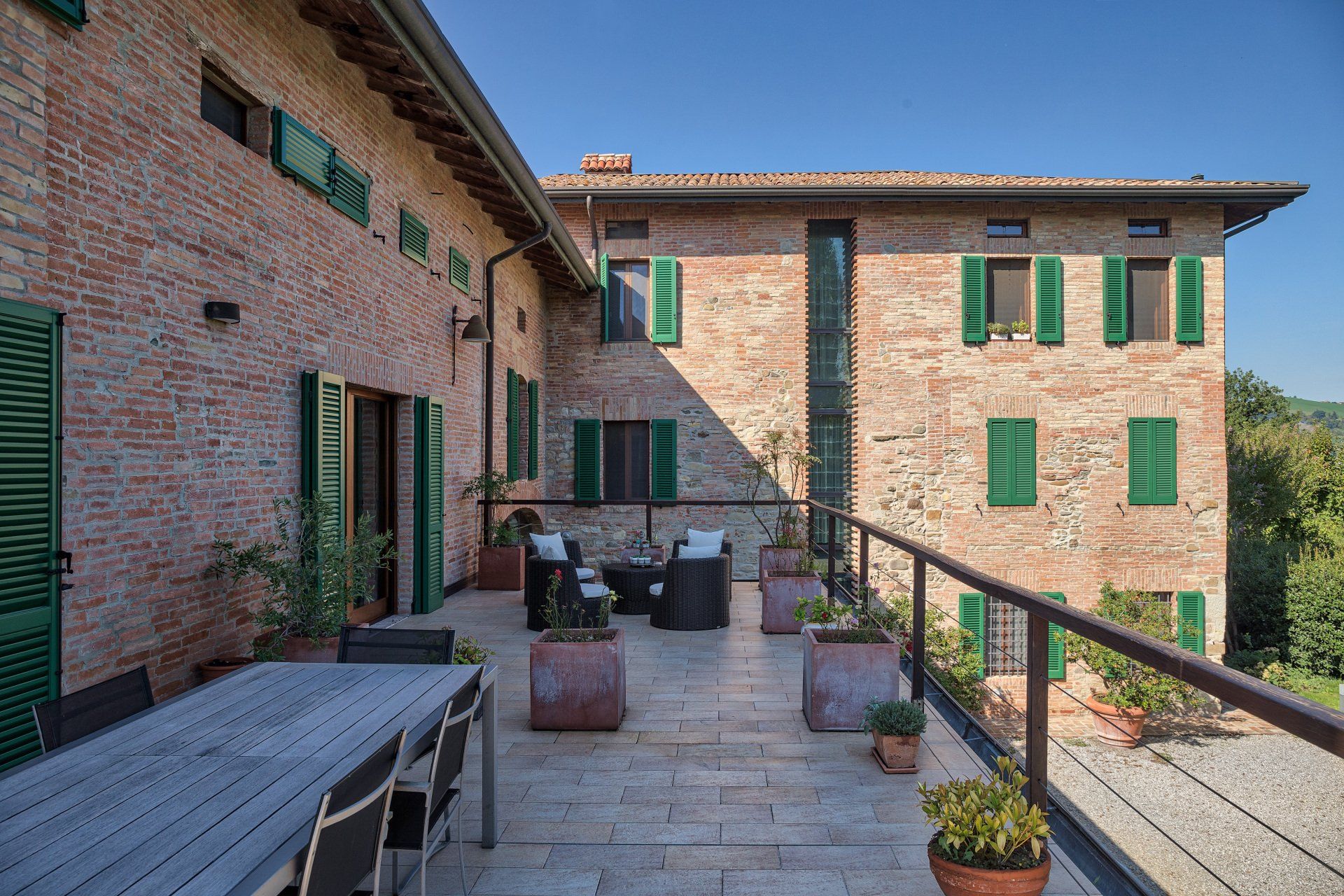
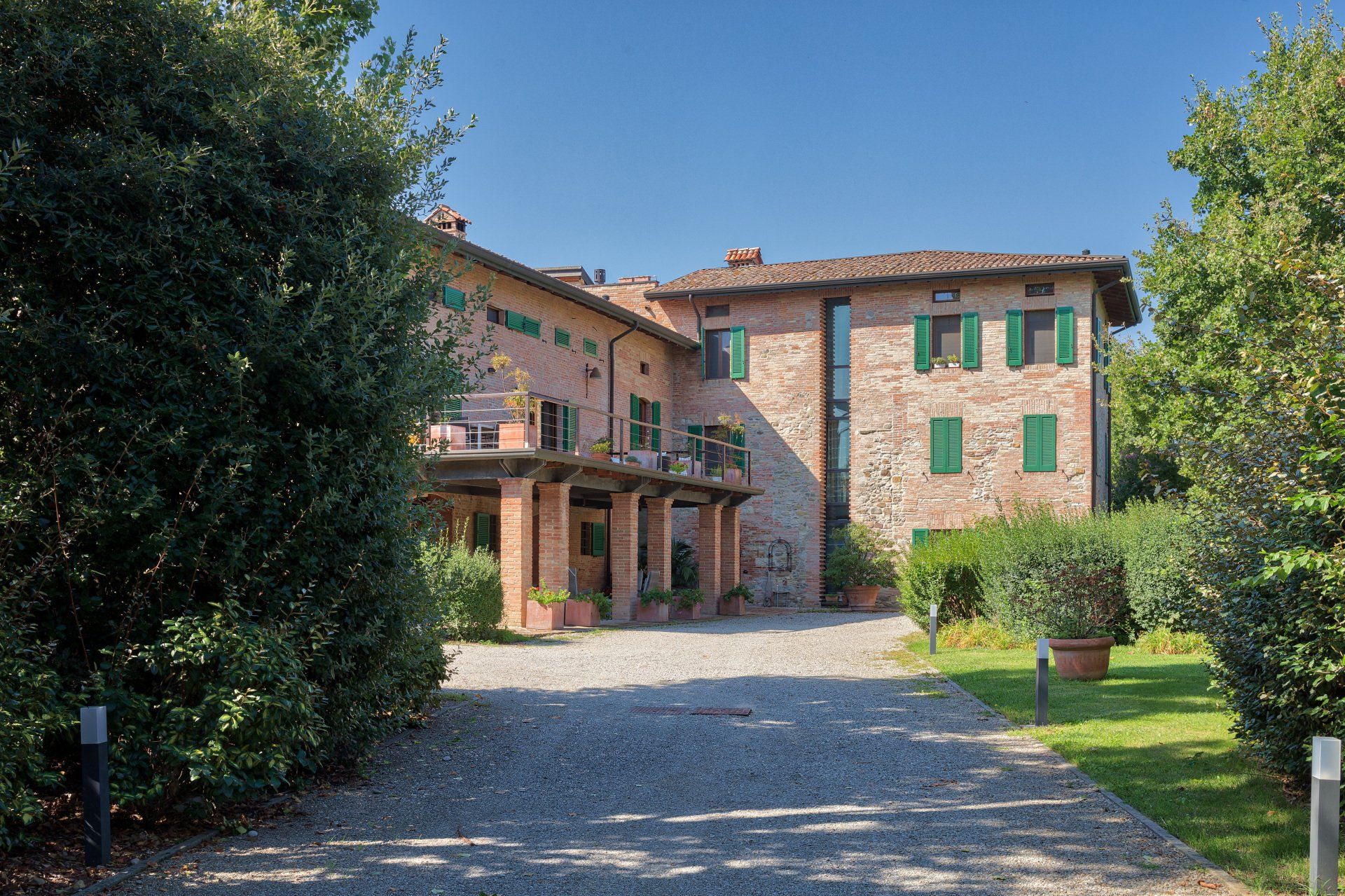
Studio Pinelli has restored a building obtaining four apartments and obtaining a building with its own identity, albeit faithful to its past. The operation was therefore not to be reduced to a simple "vernissage" or a purely functional recovery.

Since the building has belonged to the same family for generations, emotional and affective issues certainly weighed heavily in the customer's decision to recover it. Therefore, the customer was granted maximum planning and decision-making autonomy.

The building is still bound by municipal legislation; this fact in itself required the adoption of certain solutions and the renunciation of others. Even by virtue of the requests received, however, it immediately appeared correct on the part of the group of architects to work by exploiting the suggestions given by a building so full of tradition: both in the choice of materials and technologies and in that of colors. One of the principles that guided the project was in fact not to hide the purely agricultural and, in fact, poor origin of the building, making it a strong point. On closer inspection, this apparently humble past translates into a very rich heritage, a sort of encyclopedia of traditional construction technologies with an intrinsic and very high aesthetic value.
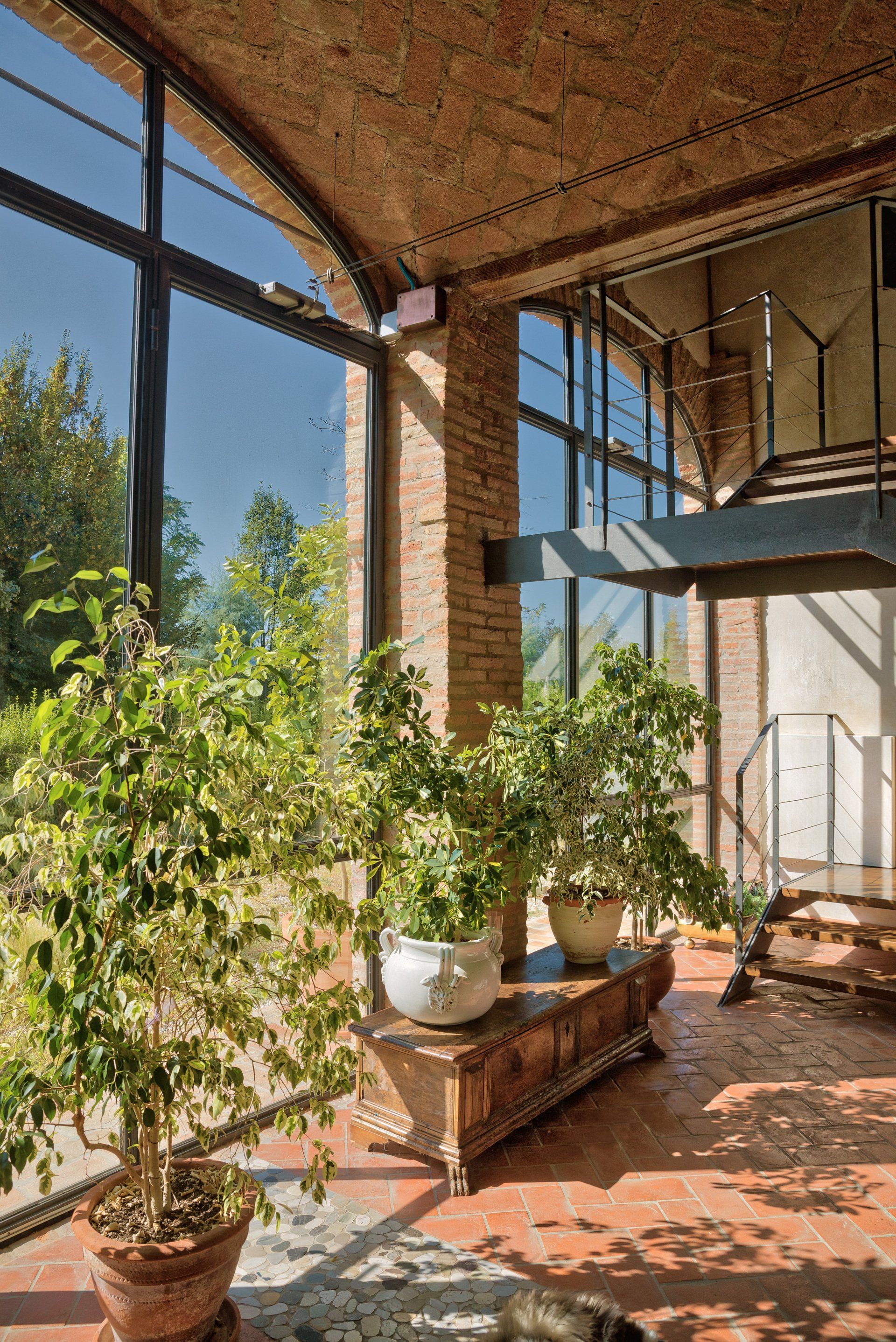
For this reason, the perimeter walls have been entirely freed from the deteriorated plaster, showing the ancient hand-made brick facings. The original parts in river stone have also been preserved, which are also valuable evidence of local historical buildings.
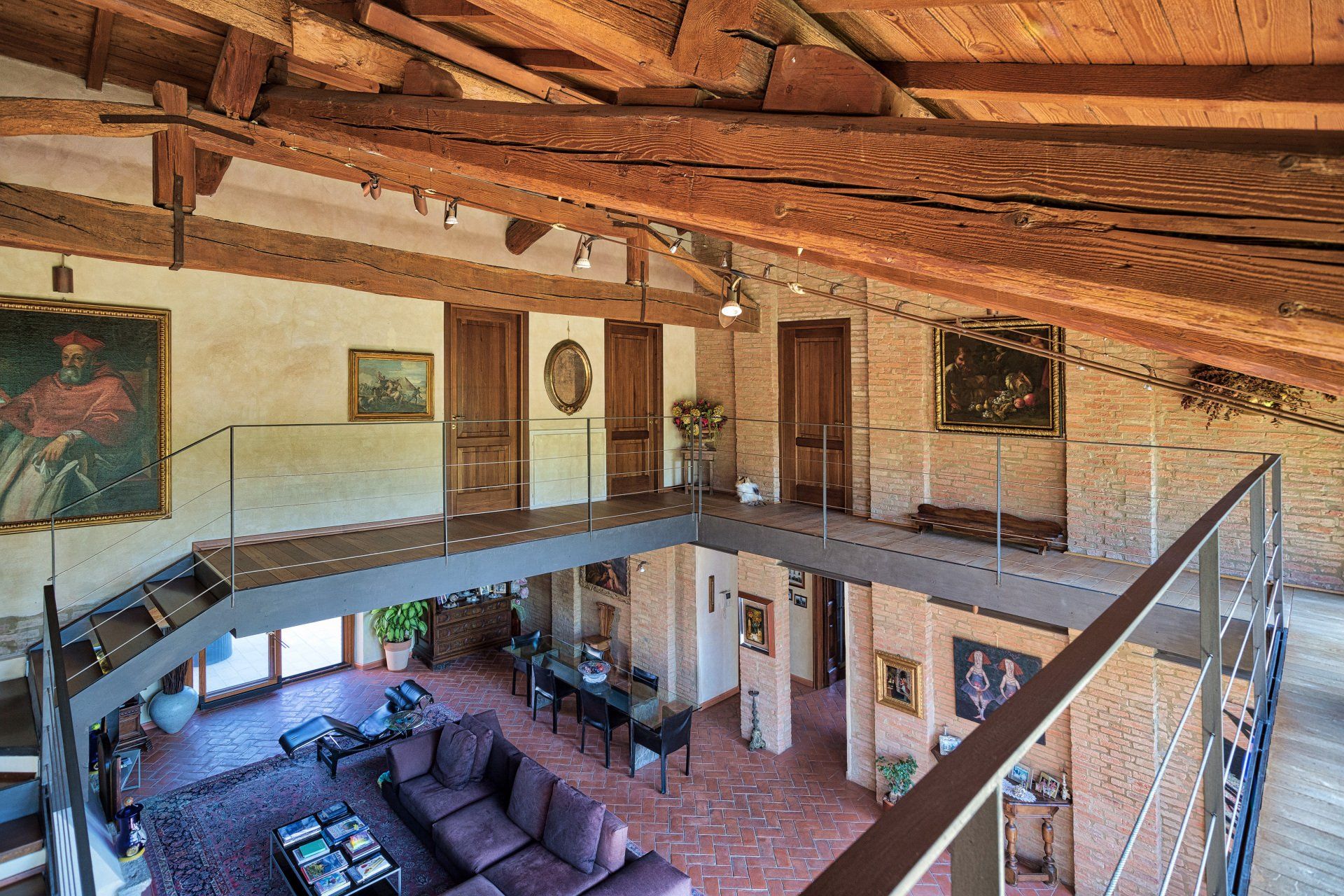


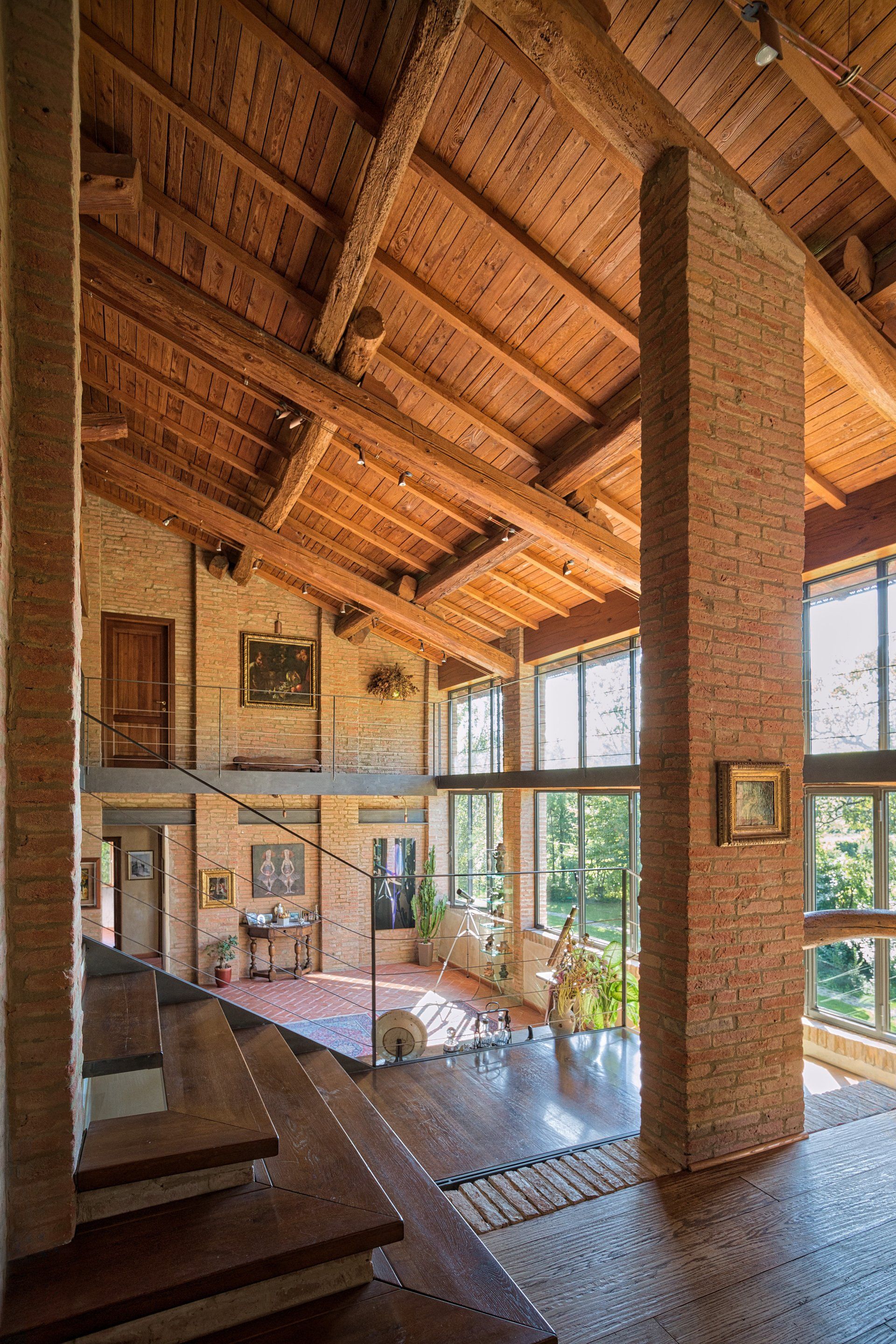
Inside, typical materials such as hand-made red terracotta tiles have been used for floors and ceilings. Wood, another recurring material in this kind of buildings, has also been used to a considerable extent: in fact, the entire roof, part of the floors and the steps of the staircase are made of wood.
All these elements have been installed and assembled by skilled workers that are increasingly difficult to find, because they are familiar with craftsmanship and ancient construction technologies that are getting lost.
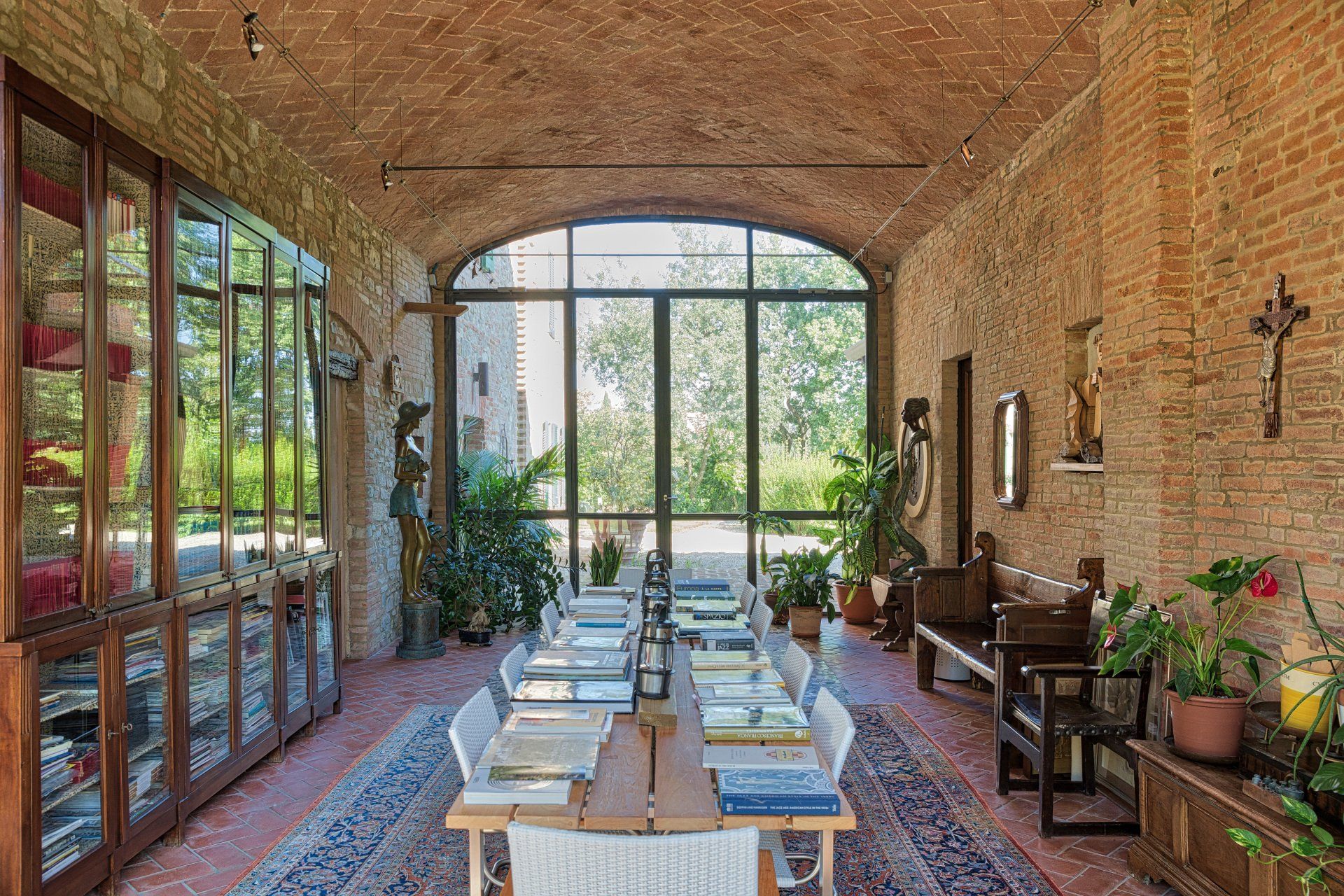


The aesthetic value inherent in the exposed brick facings, in the barrel vaults, in the terracotta floors, has inevitably translated into the use of a color palette that plays between yellow and red tones, which give the house a warm and welcoming atmosphere, informal yet refined at the same time.
The very use of the "dead door" as an entrance is an explicit reference to the past, in this case from a functional point of view, and to the original use of this environment. In fact, even in the old peasant houses it acted as a filter environment, separating the housing block from that intended for stables and barns.
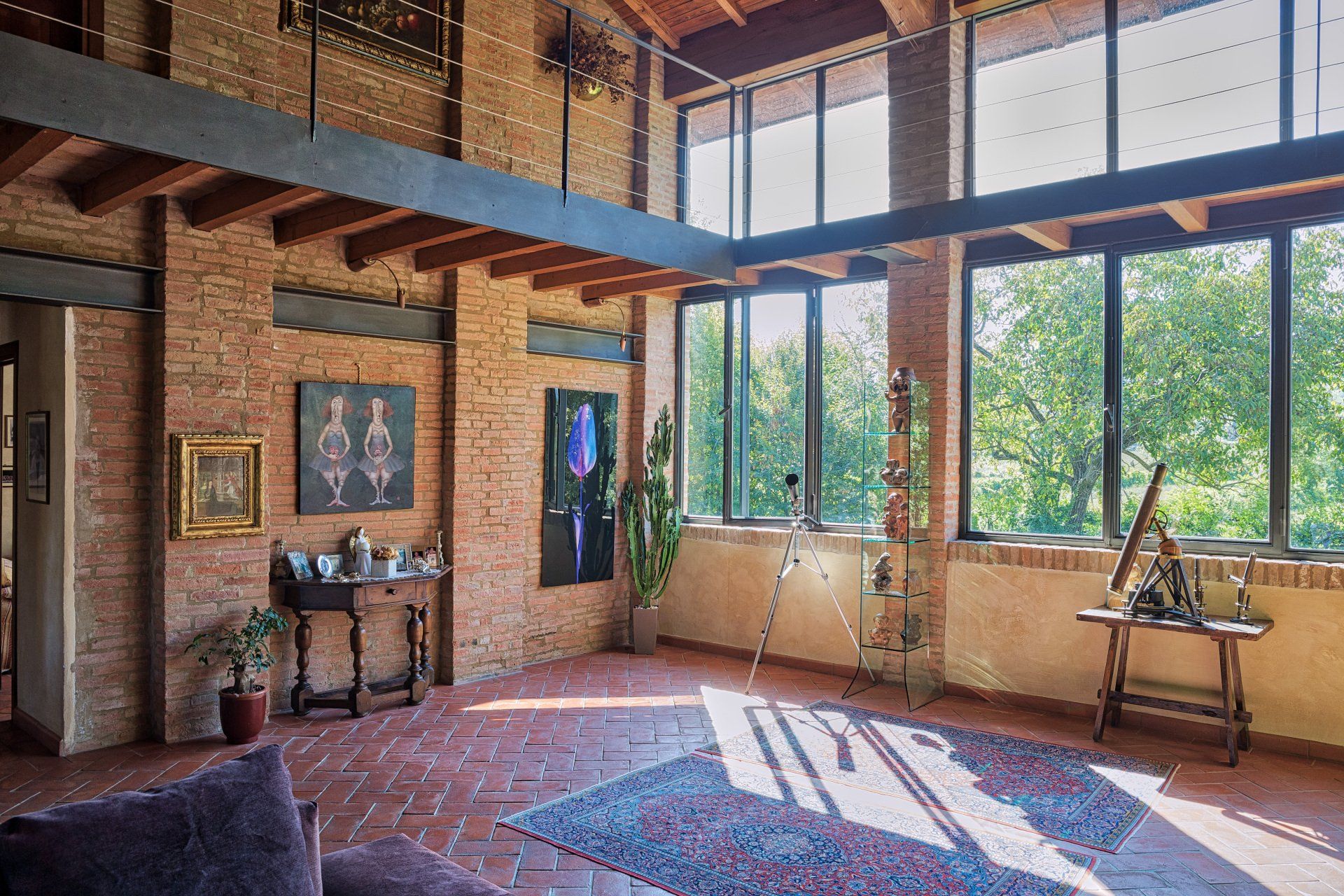
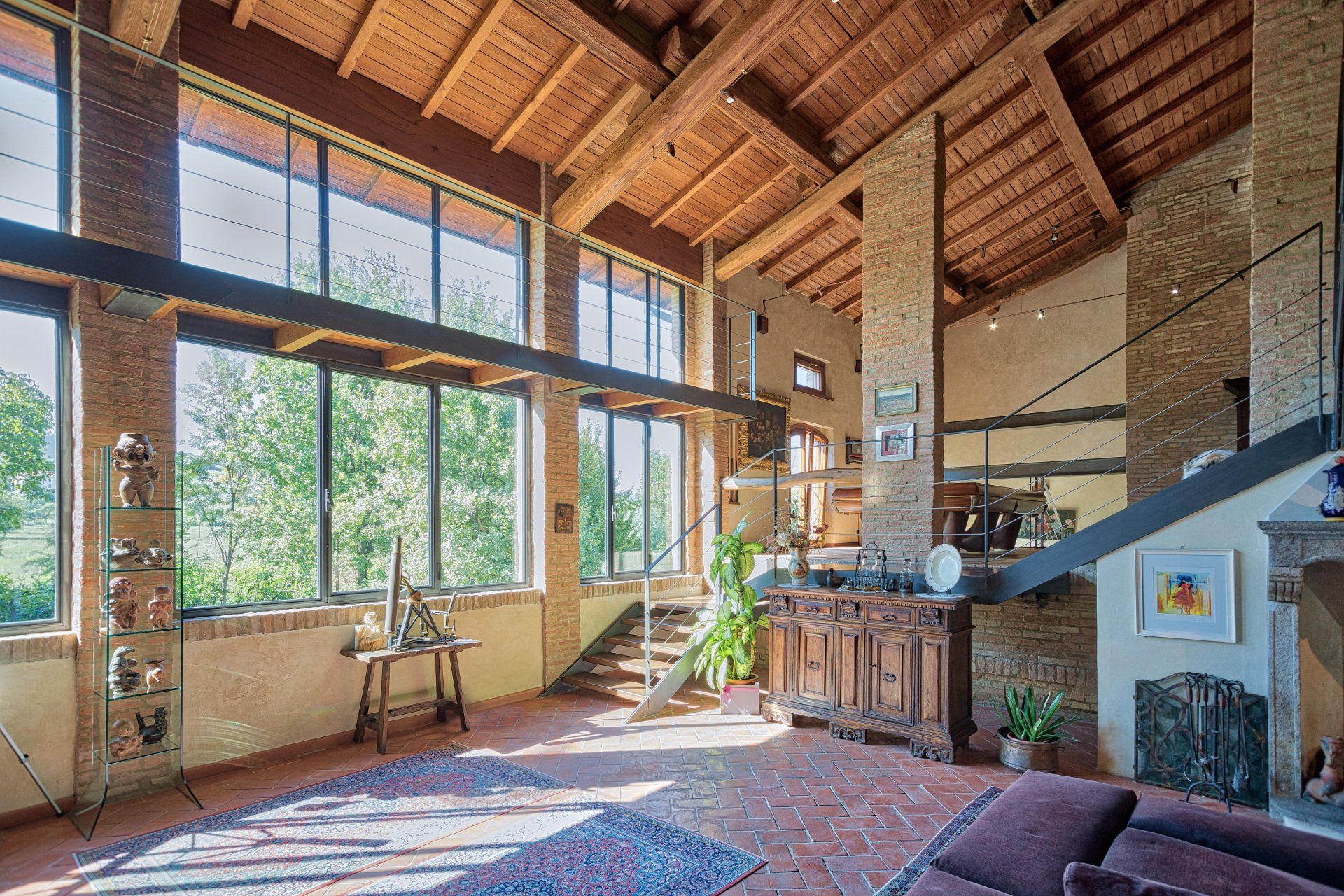
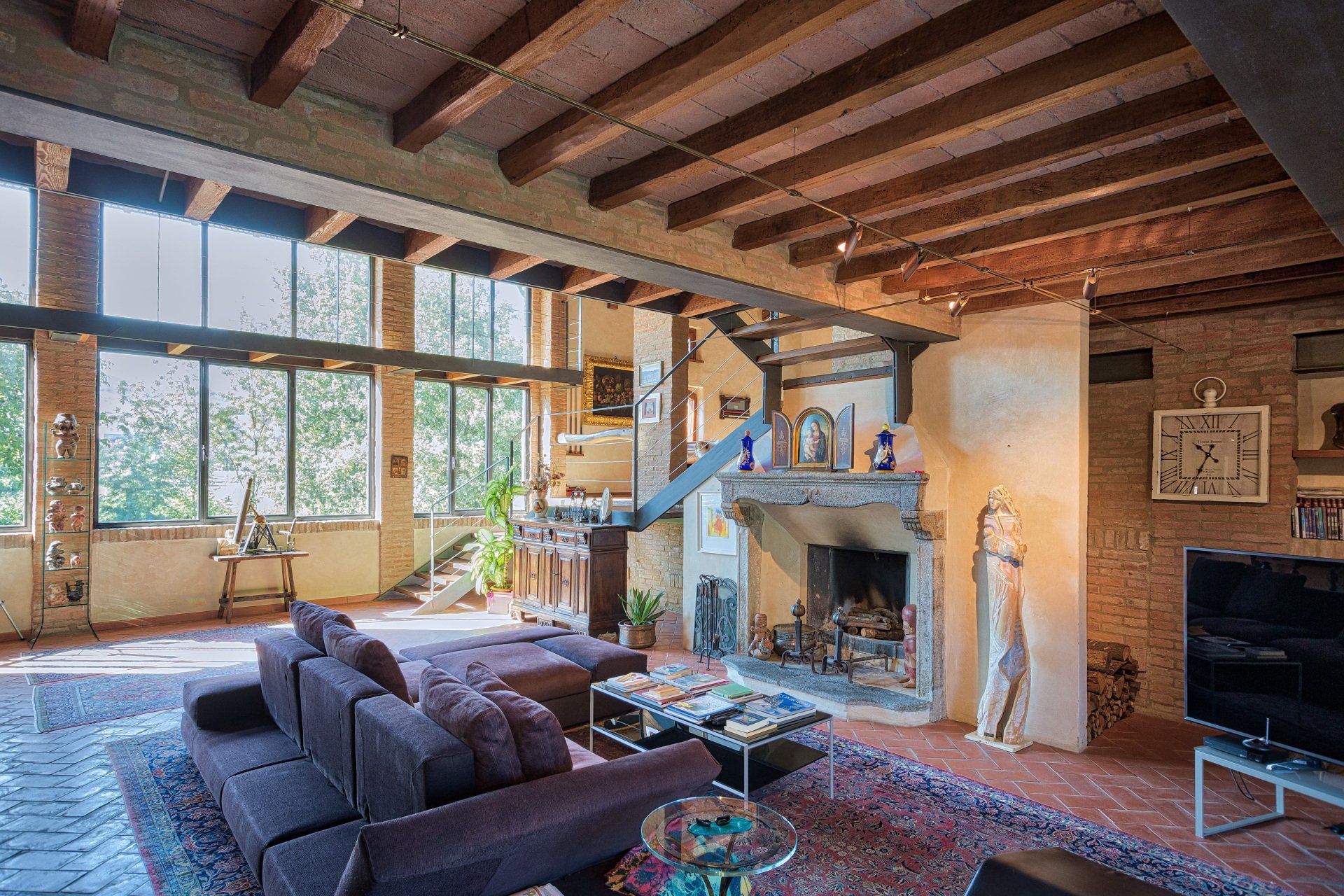
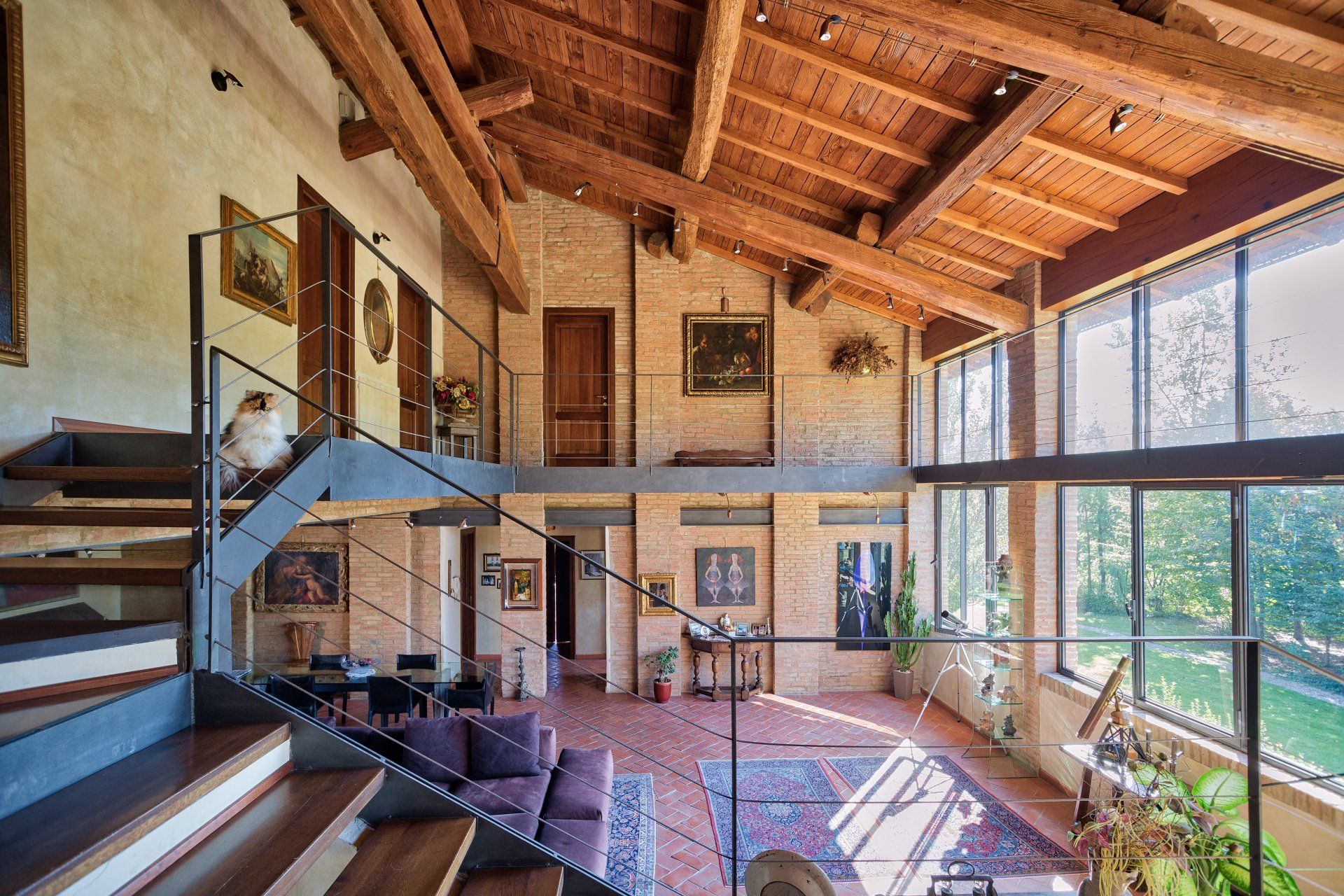
The most markedly modern element is the anthracite gray metal staircase; however, it too bends to the needs of existence by inserting itself into a double volume which is often kept unchanged.


Architecture  Studio Pinelli

SHARE THIS

 Latest Edition

Mar / Apr 2026 edition is available now!

 Contribute

G&G _ Magazine is always looking for the creative talents of stylists, designers, photographers and writers from around the globe.

WRITE US

 Find us on

Latest News

By G&G _ Magzine April 29, 2026
During Milan Design Week, where the city becomes an intricate map of overlapping visions and fleeting installations, Bodo Sperlein delivers a moment of rare coherence and depth with MENU exhibition that transcends the conventional boundaries of design to inhabit architecture as a living, breathing entity.
By G&G _ Magazine April 15, 2026
From March 31 to April 3, 2026, at the Shanghai New International Expo Centre, Hotel & Shop Plus 2026 Shanghai unfolded as far more than a trade fair: it emerged as a living, breathing platform where the very notion of travel dissolves, permeating every layer of contemporary lifestyle and spatial design.
By G&G _ Magazine April 10, 2026
Held in two phases, from March 18–21 and March 28–31 at the Canton Fair Complex, the 57th edition of CIFF demonstrated how design is no longer something merely displayed but something to be fully experienced through the senses: deconstructed, re-engineered and ultimately redefined in its deepest essence: matter .
By G&G _ Magazine April 6, 2026
Clerkenwell Design Week (CDW) is pleased to announce it will be returning to London’s EC1 on the 19 – 21 May 2026. Marking the 15th anniversary of this global design festival, a new curated series of largescale installations will be launched called Design Interventions .
By G&G _ Magazine February 19, 2026
At a time when design is redefining its priorities, the contemporary landscape of interiors, décor, and outdoor living is clearly shifting from a digital-centric vision toward a more human, emotional and nature-driven approach. This transition was strongly evident during the latest editions of Warsaw Garden Expo and Warsaw Gift & Deco Show , held at Ptak Warsaw Expo from 10th to 12th February 2026.
By G&G _ Magazine February 3, 2026
Merav Bustan, founder of the Berlin-based design studio bearing her name, is the creative force behind the interior design of the new boutique hotel, VIA Antwerp , located in the vibrant heart of the Zurenborg district.
MORE

 Subscribe

Keep up to date with the latest trends!

Receive a dose of inspiration directly into your mailbox!

 Popular Posts

By G&G _ Magazine May 4, 2026
In a world where true luxury is no longer defined only by comfort and elegance but increasingly by silence, nature and the ability to breathe, Hyatt Regency Dongguan stands out as an ideal destination to recharge and reconnect with what truly matters.
By Zhanna Lysohorova April 23, 2026
Praga district, once industrial and today filled with galleries, studios, cafés, and cultural spaces, is home to the vibrant Moxy Warsaw Praga . The hotel embraces the spirit of the neighborhood with a modern and playful design (typical of the Moxy Hotels concept) featuring industrial elements that echo the area’s historic character.
By G&G _ Magazine March 9, 2026
Between February 6 and March 8, Madrid Design Festival 2026 offered an intense program of exhibitions and events across the city. Throughout these days, it was possible to perceive the evolution of the festival, which expanded its program by integrating professional talks and meetings, revealing a strong desire among industry professionals to share the new Spanish approach to design with the world.