


Lindower 22 becomes an urban think tank for Berliners
April 1, 2020
Projected by ASA studio albanese, Lindower 22 is a project to redevelop the former Max Hasse Maschinen Fabrik, a redbrick industrial site dating back to the early 20th century located in Wedding, the old working-class quarter of West Berlin.
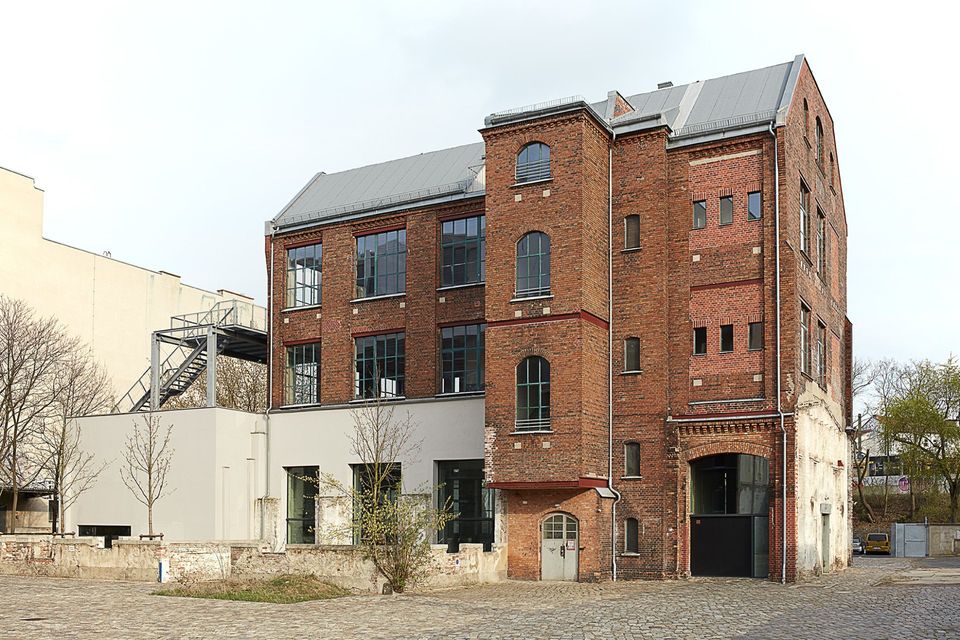
At the time of the Berlin Wall, Wedding was the working-class area of West Berlin in the French sector. With the decline of old industries and the fall of the wall, Wedding saw a drastic decline in population; but thanks to the availability of incredible spaces in terms of architectural quality, in recent years it has attracted increasing numbers of artists, art galleries and creative ateliers, many of them working together in the same loft spaces in abandoned factories. Today Wedding is considered a very lively, multicultural district and plays a central role in the policies of the City of Berlin, as part of its ambitious urban redevelopment through culture plan.
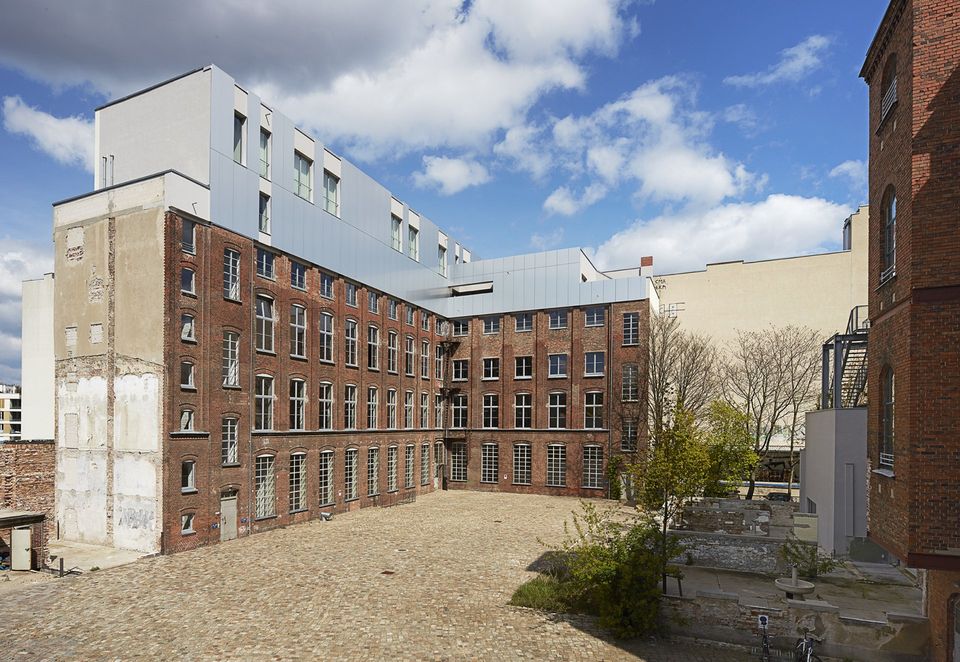
Lindower 22 is a project to redevelop more than 10,000 m2 of abandoned spaces at 22 Lindowerstrasse. The project involves the reactivation of the two most prestigious buildings (the cathedral and Kondo) via different regeneration strategies, the recovery and expansion of the residences on the street side (Kondolin D), and the demolition and reconstruction of the least efficient and less prestigious buildings (Kondolin B).
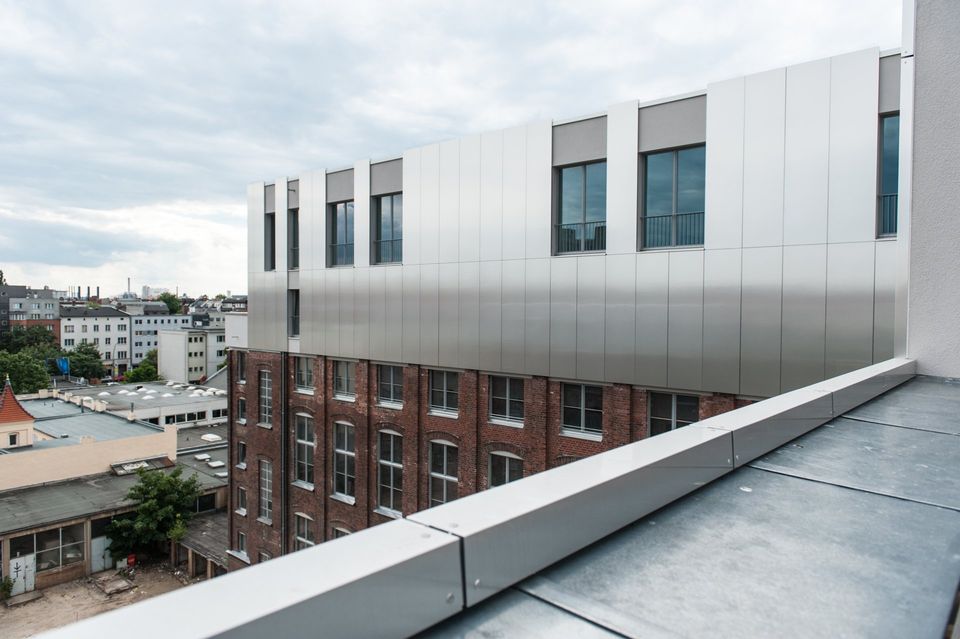
The philosophical approach to the project depends on the ability of culture, experimentation and art to restimulate the complex’s dormant fabric. Lindower 22 is designed to become an urban think tank, a space for free thinkers in keeping with Berlin’s public spirit.
It will be an experimental district where artists, researchers, start-ups, cultural associations, fashion designers, art galleries, and small contemporary artisans can get together in a community and influence and inspire each other, generating a hybrid hub that grows and develops together with the city. The architectural approach is a follow-on from the philosophical one, and is based on the idea of respect for a building that has a history and an extraordinary quality. This kind of respect has led to two working concepts: basic and useful.
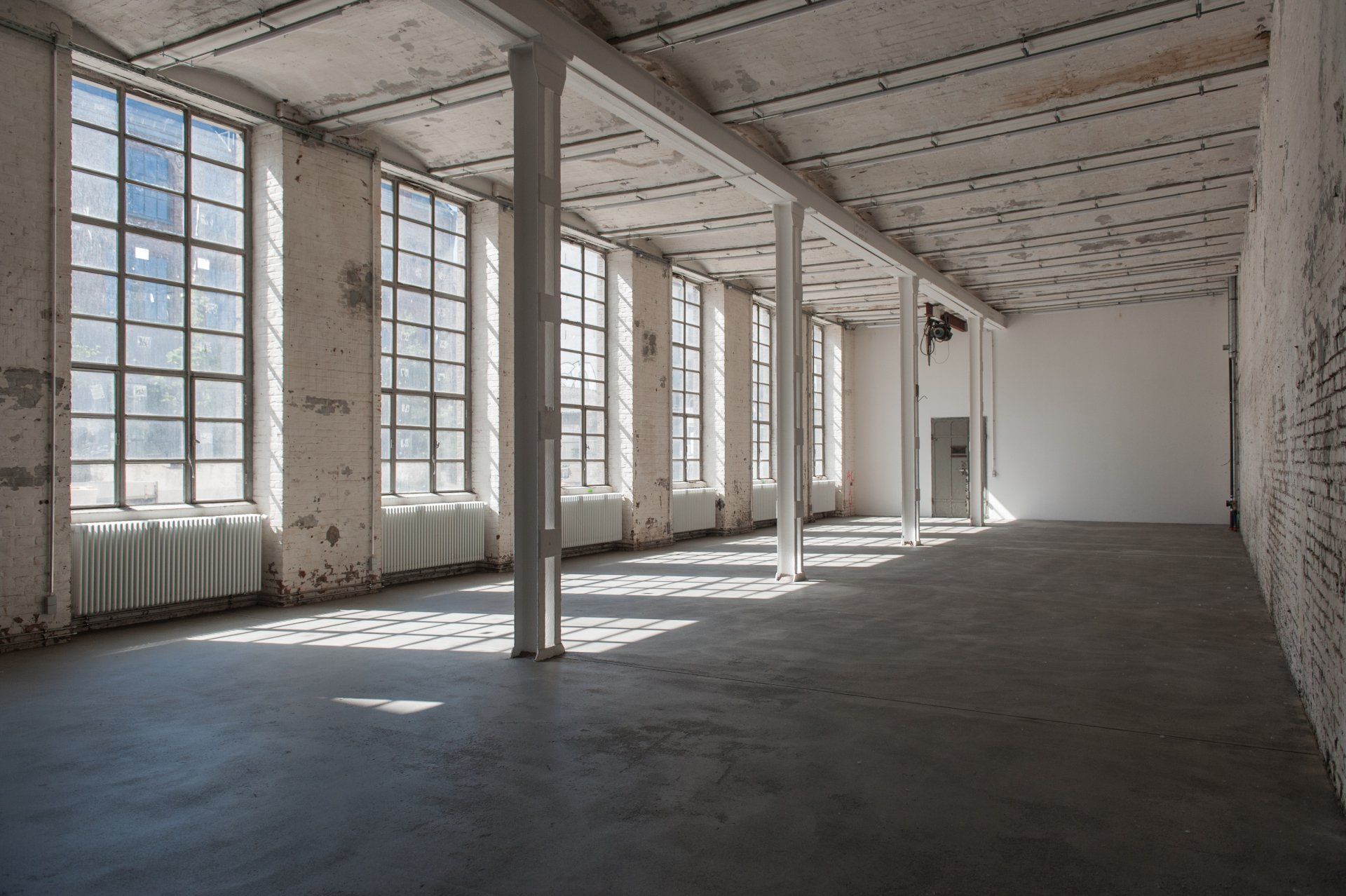
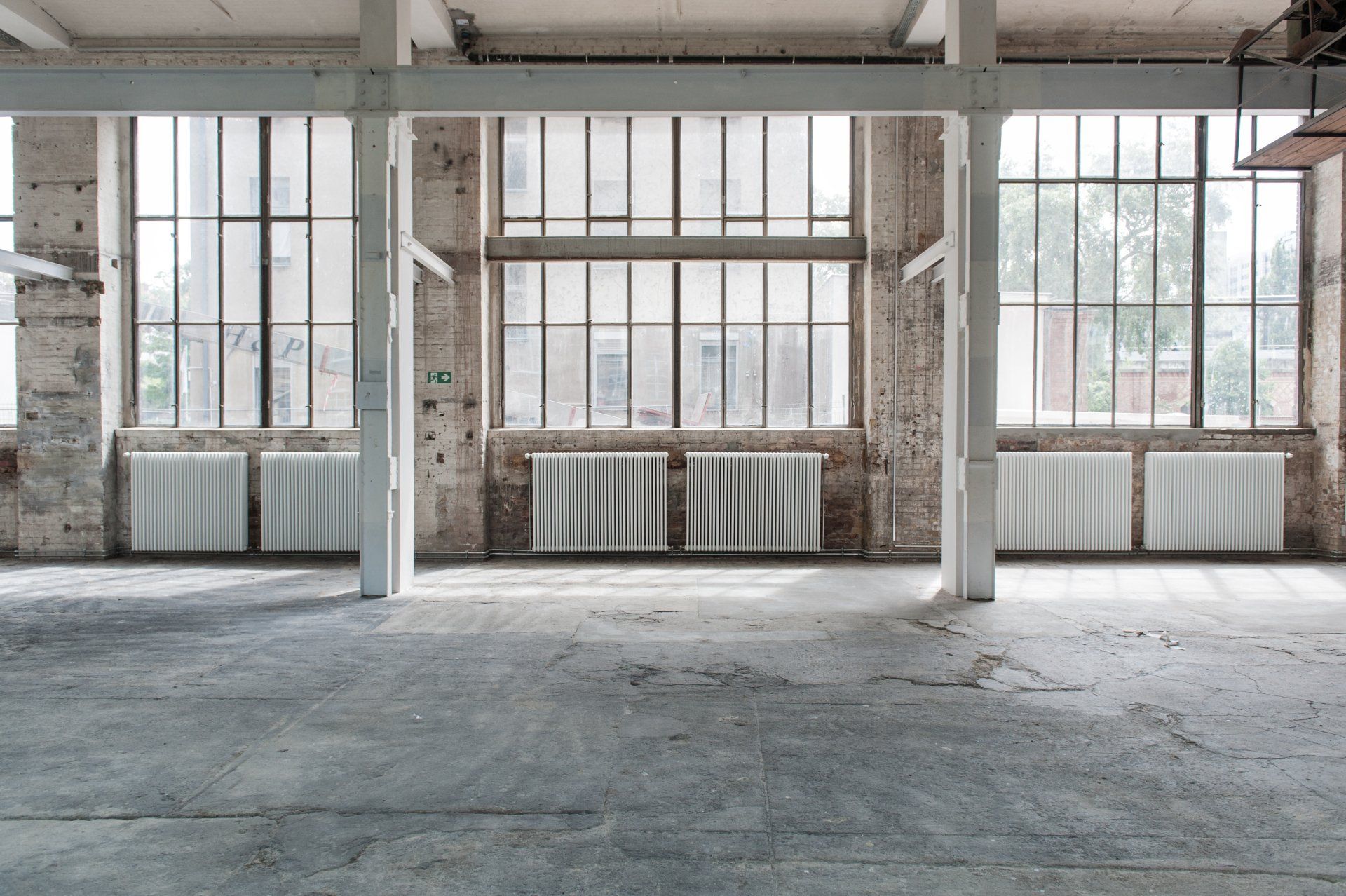
Basic, for example the retrofitting strategy adopted for Lindower 22. It means an attempt to use the maximum efficiency, functionality and linearity to keep the need to alter existing structures to a minimum: all new input is “standard”, in other words, the simplest possible. And useful, because every element or existing system that still functions has been salvaged and put back to work, adding and updating only where strictly necessary. In the first phase, the buildings of the Cathedral, the Kondo and Kondolin D will be regenerated, ready to house the first creative businesses and the Lindower 22 coordination centre. In the second phase, on the other hand, the Kondolin B buildings will be rebuilt and will be used for multipurpose spaces (a cinema-theatre, a conference hall) and support services (cafés, food lab, homes).
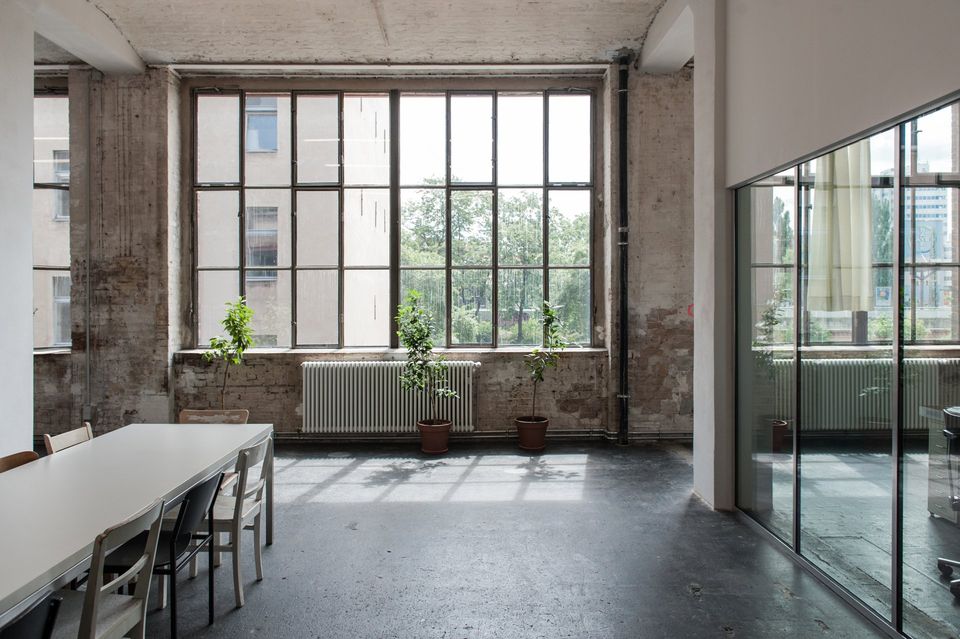
The architectural and cultural project of Lindower 22 was made possible thanks to a proactive and enlightened collaboration with the ownership, and through the logistic and operational support of Heim & Balp architect studio.
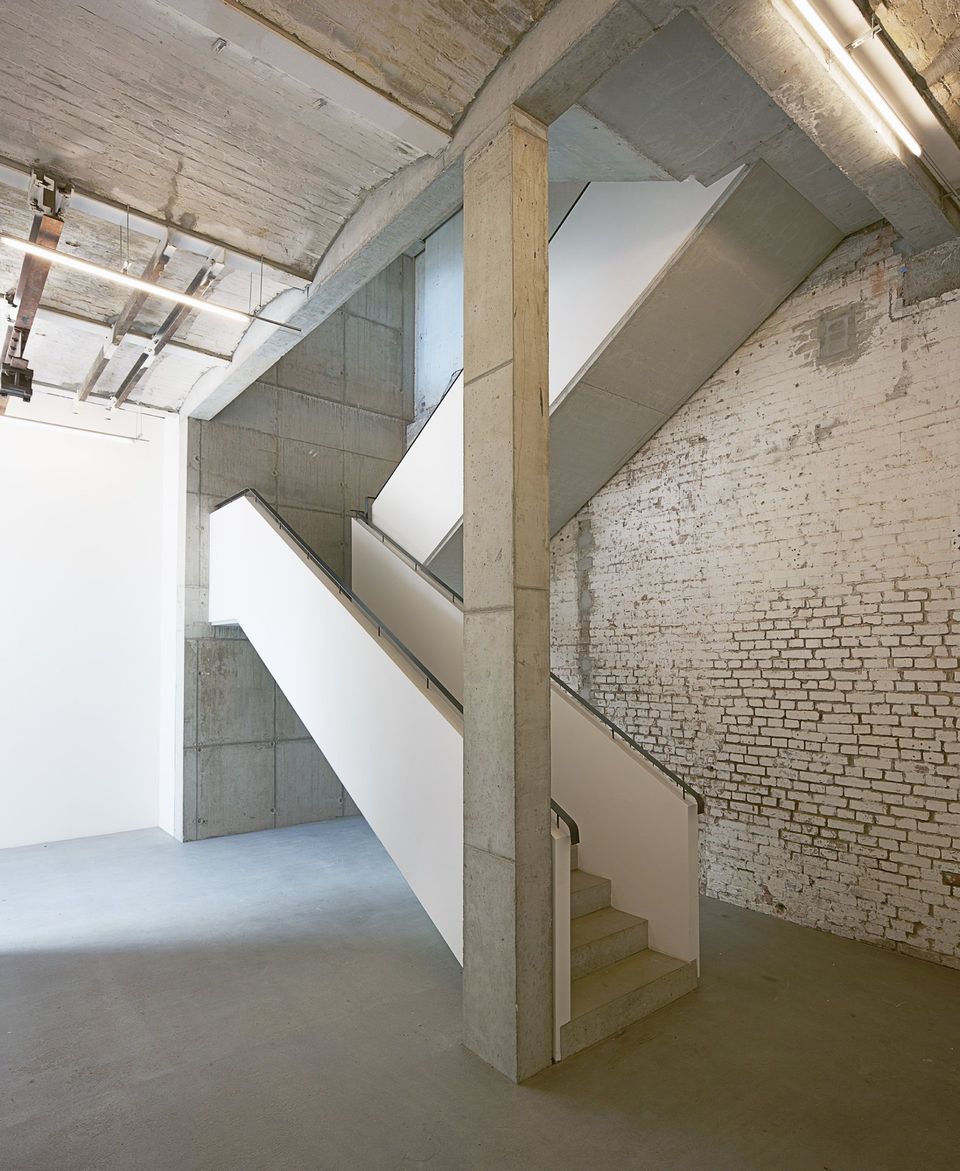
Photography by Andrea Garzotto & Nick Hush
www.asastudioalbanese.com
SHARE THIS
Contribute
G&G _ Magazine is always looking for the creative talents of stylists, designers, photographers and writers from around the globe.
Find us on
Latest News

SISHICRAFT Studio transforms vegetable-tanned leather into delicate handcrafted objects inspired by the botanical world. G&G _ Magazine explores the creative vision behind the brand with Natalie, from transforming botanical inspiration into handcrafted objects to experimenting with material, form and the subtle imperfections that make every piece unique.

From 12 to 20 September 2026, the eighth edition of Lake Como Design Festival unfolds across Como, Lake Como and, for the first time, Lecco, bringing exhibitions, installations and new collaborations under the theme “ Border ”.
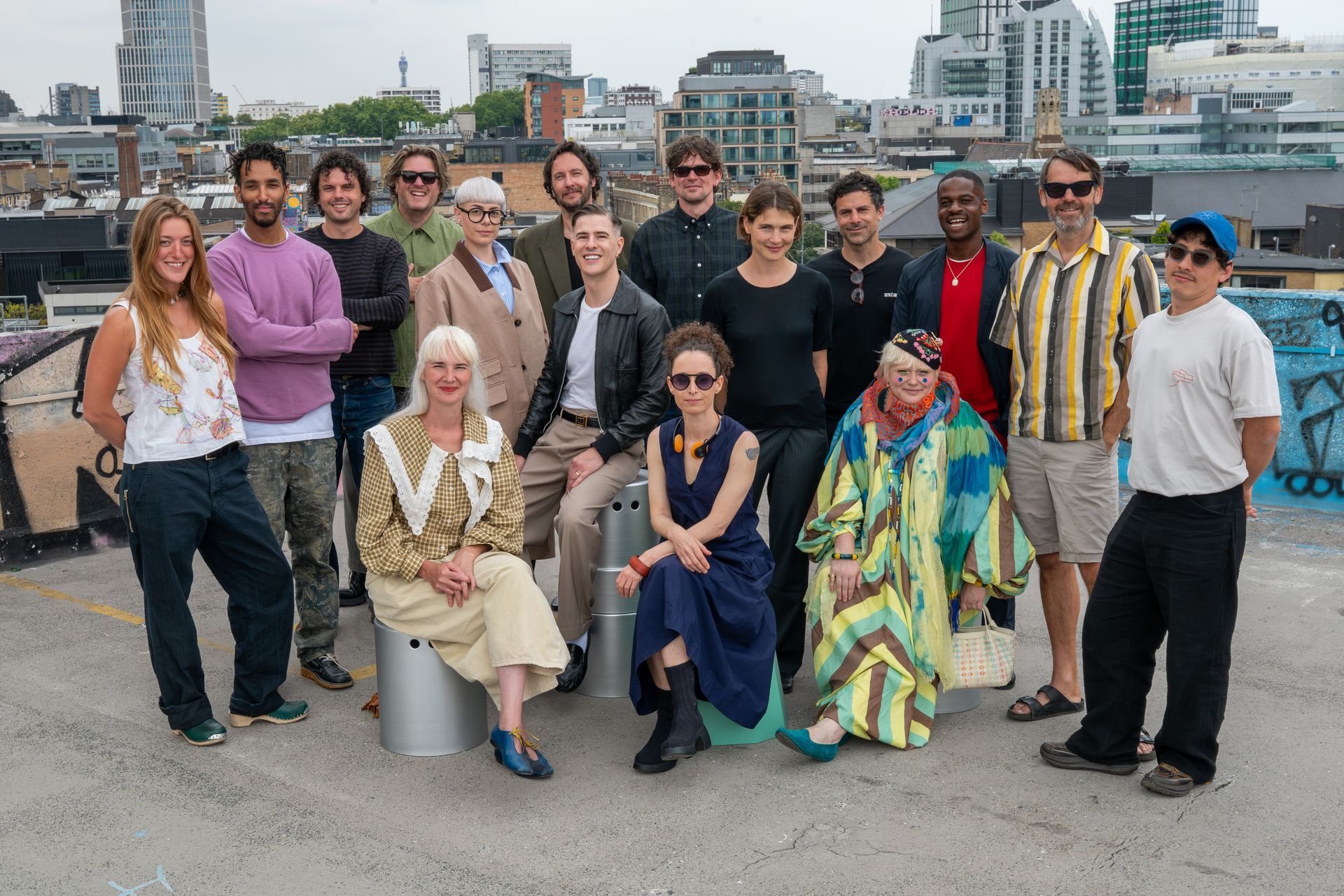
Running from 15 to 20 September 2026 Shoreditch Design Week brings together more than 100 showrooms, exhibitions, installations and events across LDF’s largest design district. This year's programme expands with the addition of Material Matters at Unlocked, ND Selects at Kachette and Neuroplaces alongside returning favourites including Design at Work, Isola Design, 2LG Studio and Raw Collaborative at House of Icon further cementing Shoreditch's reputation as a leading destination for contemporary design.
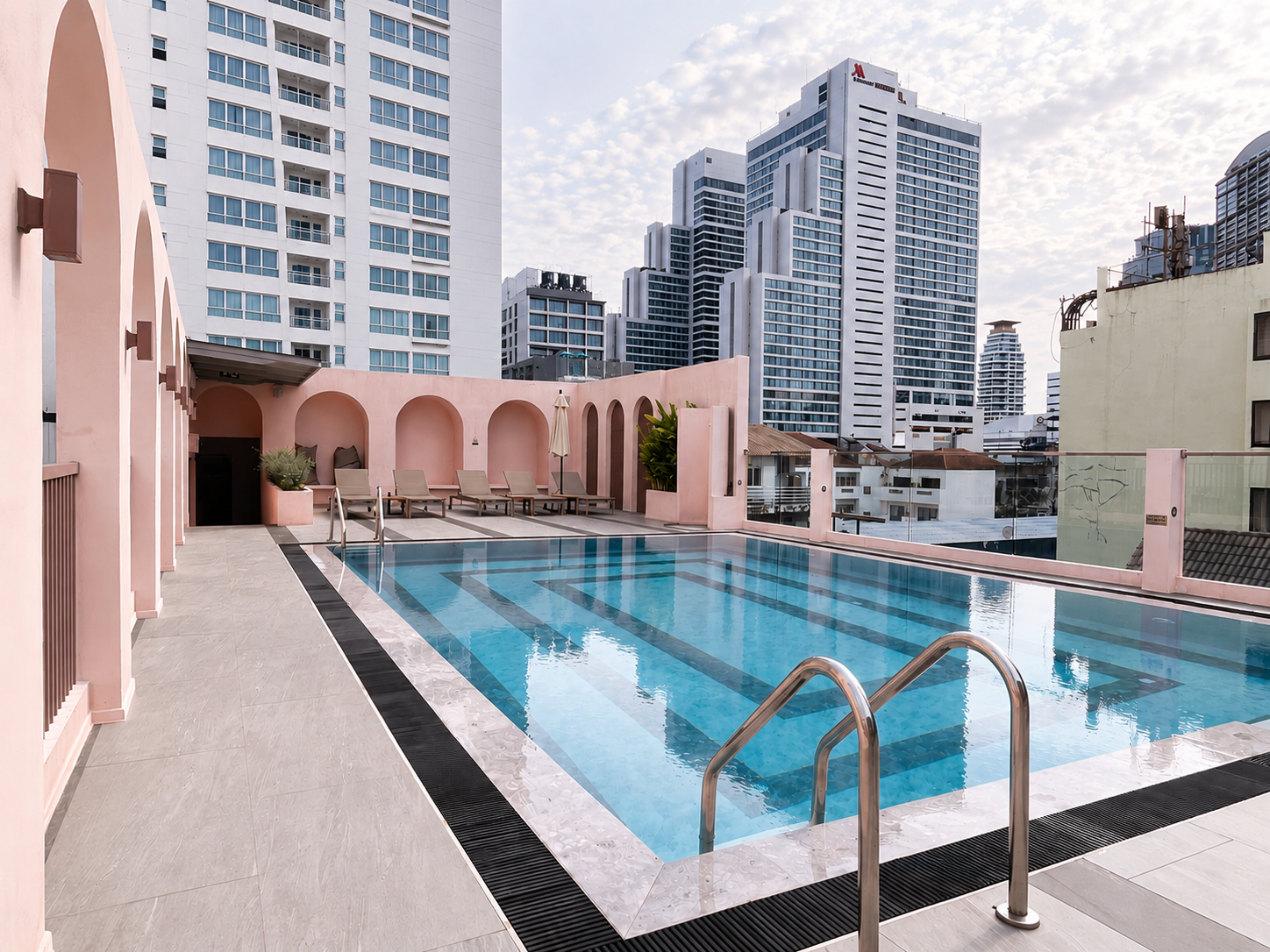
In the vibrant Sukhumvit district, tender pink, graceful arches and refined minimalist design come together at Away Sukhumvit Bangkok , creating a playful yet sophisticated retreat for the modern traveler.
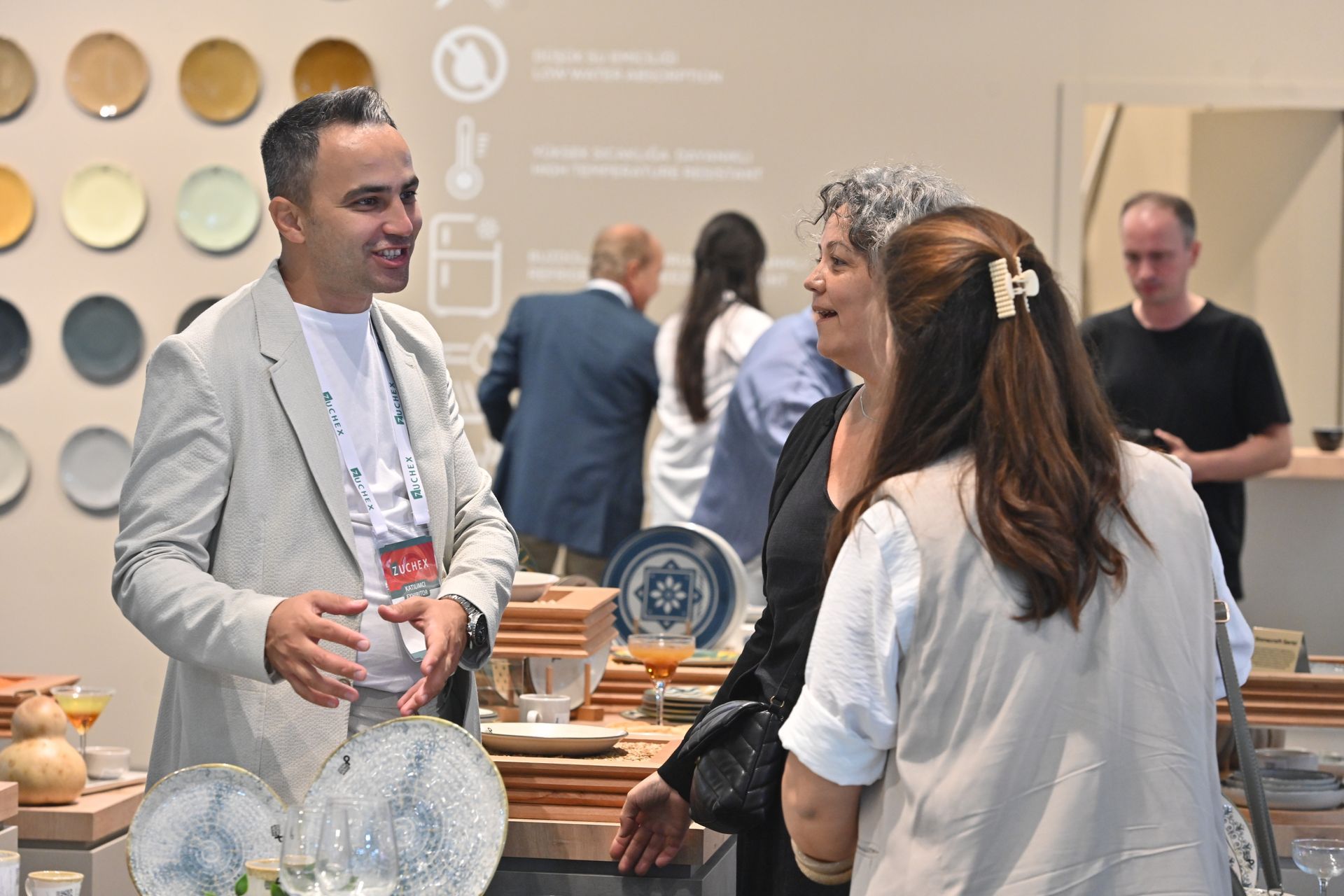
The international home and kitchenware industry will once again gather in Istanbul as ZUCHEX returns for its 36th edition on 9-12 September 2026 . Bringing together manufacturers, brands, buyers, retailers, distributors and sourcing professionals from around the world, the exhibition continues to be one of the sector's most influential international meeting points.
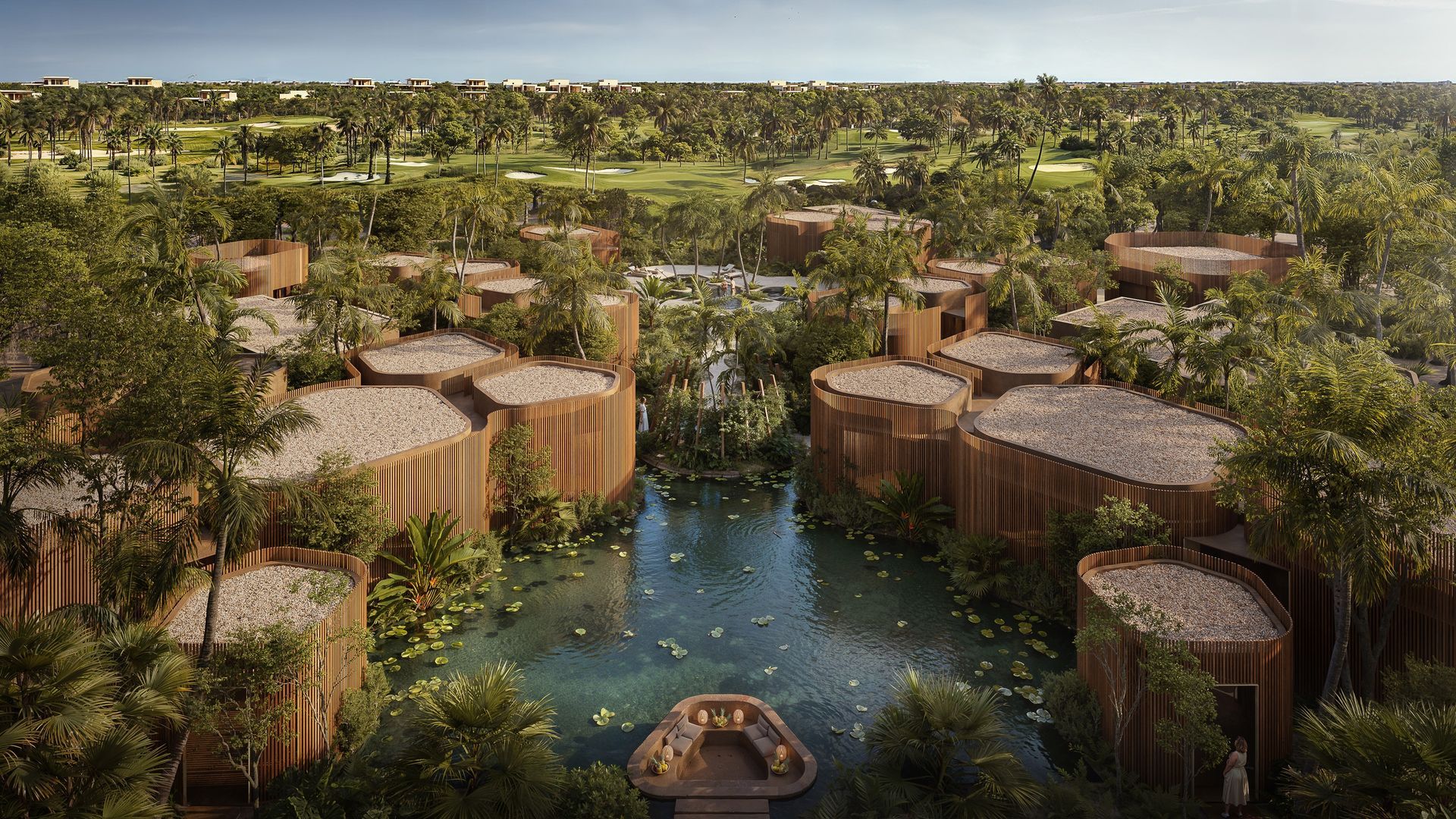
Building on What's Already There As this year's LIV Hospitality Design Awards winners settle into the wider conversation, certain patterns become difficult to ignore. Properties built for warm-climate escape recur across the list. Sustainability surfaces less as a stated goal than as a working method. And several of the strongest projects are renovations rather than new builds. Read together, the winners point toward where hospitality design is heading as the year continues. Designed for the Season Several of this year's winners speak directly to the season ahead. Kona Village , on Hawaii's Big Island, reimagines an 81-acre resort around the history of Kaupulehu, led by Greg Warner and Mike McCabe of Walker Warner. The rebuilt property includes 150 traditional guest hale, a new spa, and five restaurants and bars—two of which carry over from the original resort. Rather than a wholesale reinvention, the project reads as a continuation: a property rebuilt around what made the original site significant in the first place.
Subscribe
Keep up to date with the latest trends!
Popular Posts
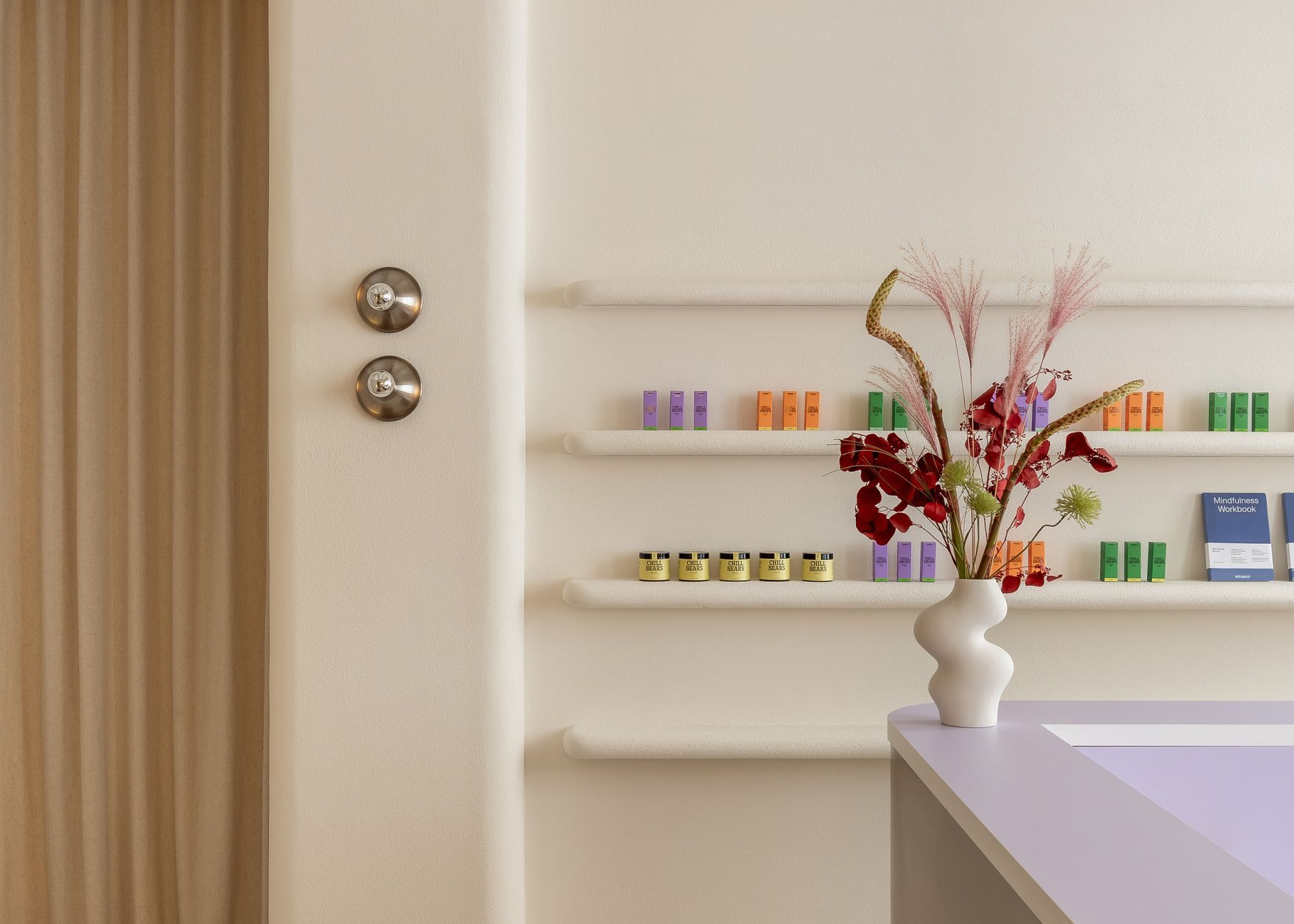
In Kyiv, Ater Architects projected Integral Fitness Studio , seamlessly integrated with G.Bar , as a contemporary environment where movement, beauty and holistic wellbeing come together.
SISHICRAFT Studio transforms vegetable-tanned leather into delicate handcrafted objects inspired by the botanical world. G&G _ Magazine explores the creative vision behind the brand with Natalie, from transforming botanical inspiration into handcrafted objects to experimenting with material, form and the subtle imperfections that make every piece unique.
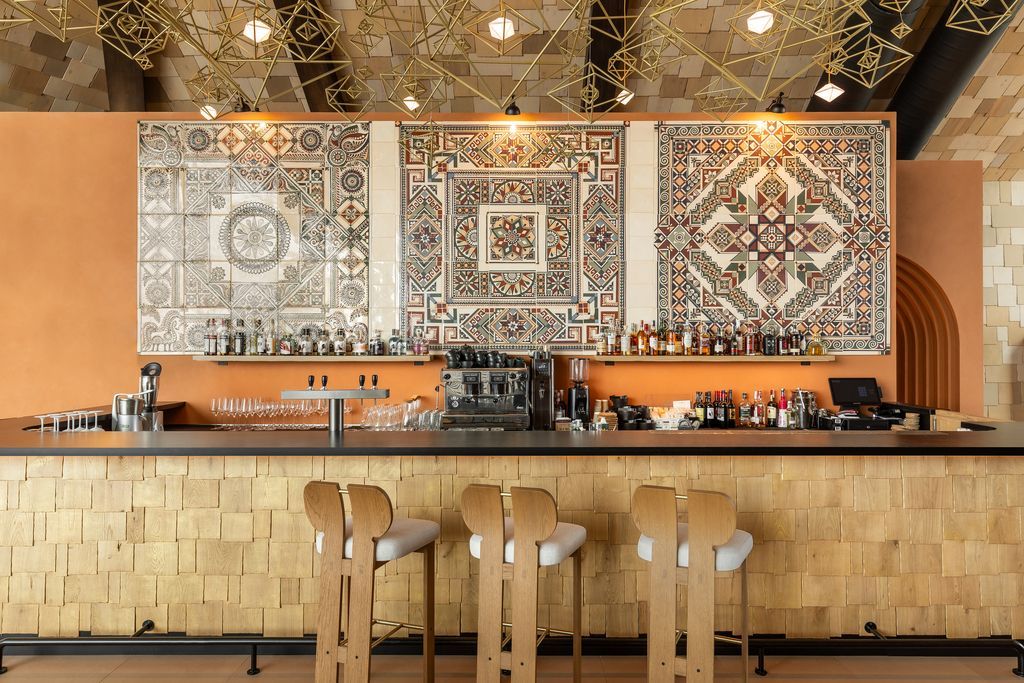
Located in the mountain resort town of Skhidnytsia in western Ukraine, the Prykirne Restaurant, designed by Ksenya Butsa of her eponymous studio, reinterprets the vernacular culture of the Boyko region through a contemporary hospitality interior rooted in material honesty, regional craft and spatial warmth.