Human Connection at MDF 2026: It's not Design that brings People Together, but the Passion for it!
Between February 6 and March 8, Madrid Design Festival 2026 offered an intense program of exhibitions and events across the city. Throughout these days, it was possible to perceive the evolution of the festival, which expanded its program by integrating professional talks and meetings, revealing a strong desire among industry professionals to share the new Spanish approach to design with the world.
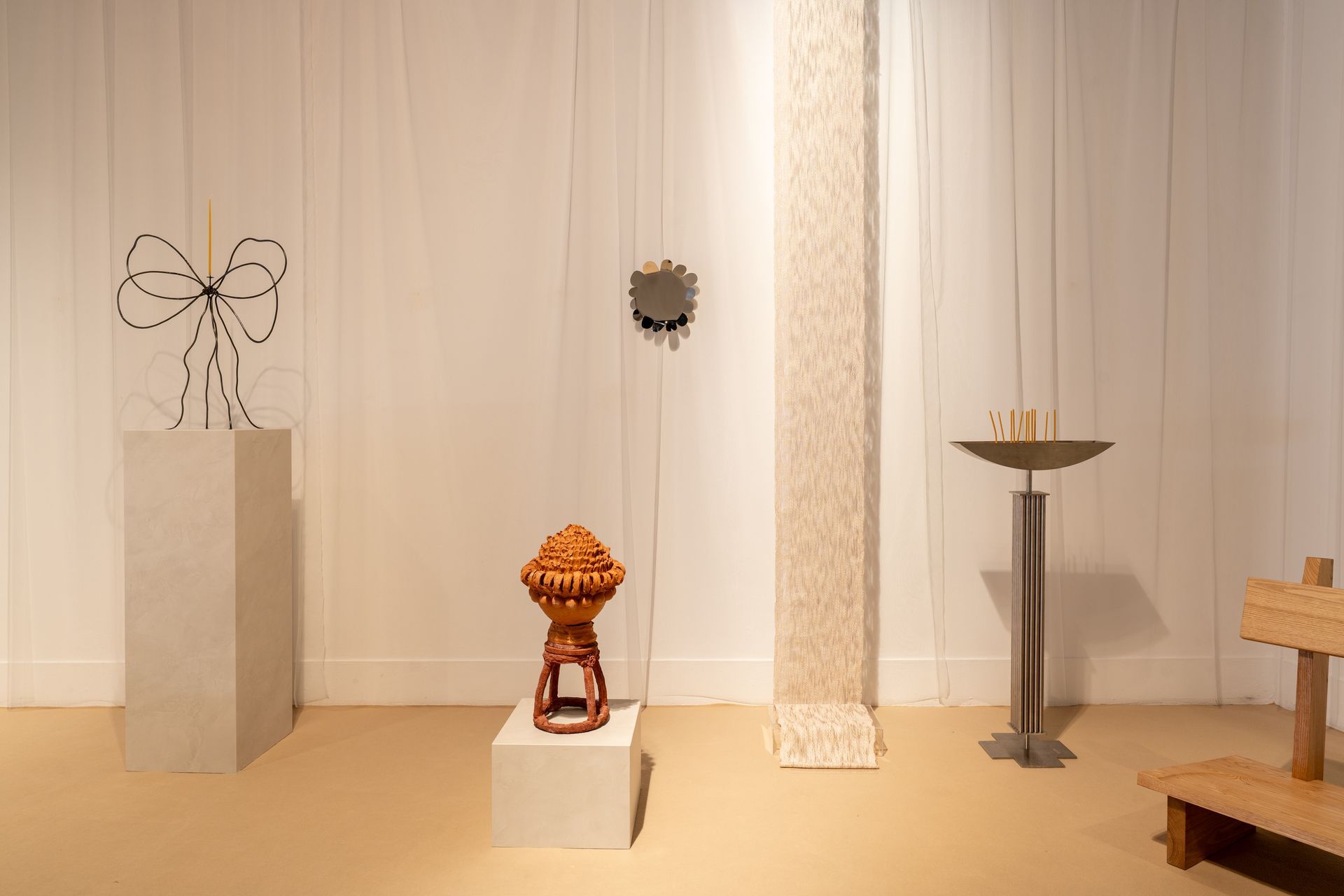
Connecting people, embracing new approaches and experiencing design in all its forms. These were the key principles that shaped more than a month of events during the Madrid Design Festival. Across the city, installations explored the idea that design can be smelled, touched and emotionally experienced. In this sense, the evolution of the festival reflects a broader shift within contemporary design: the focus is no longer solely on the finished object but on the relationship between the object, its environment and the person experiencing it. Spanish designers proved particularly skilled at translating this philosophy into tangible projects, revealing a deep connection to craftsmanship and a design culture that balances tradition with experimentation.
Imperfection is increasingly becoming an Essential Feature of Authentic Design & an Open Invitation to Experimentation.
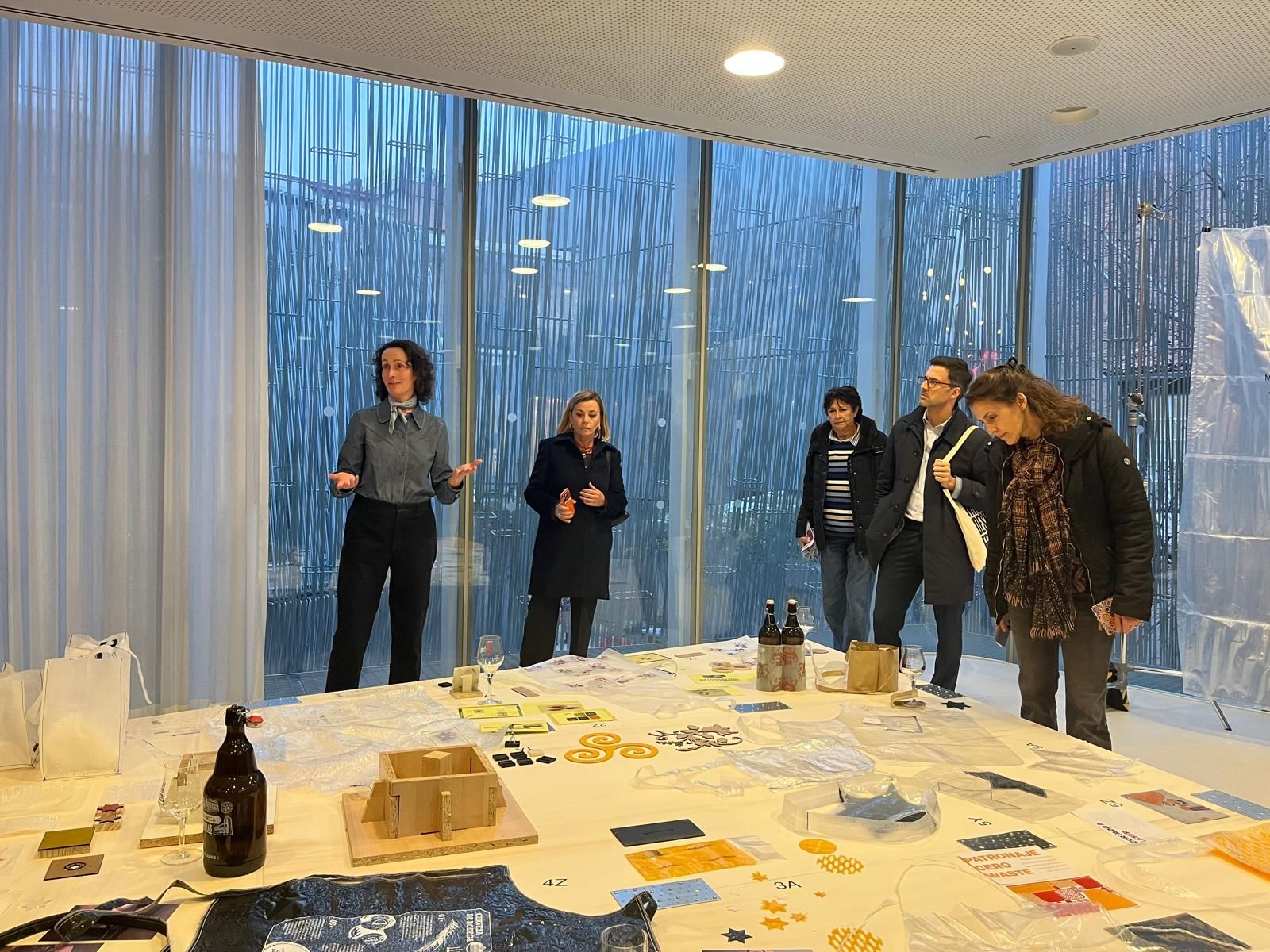
The exhibition Mediterranean Manifesto, curated by Mariona Rubio Sabatés at the Teatro Fernán Gómez. Centro Cultural de la Villa, perfectly illustrates this idea. Here, every “defect” becomes a distinctive design element: perfection is no longer required because expression matters more than uniformity. This philosophy encourages individuals to shape their own environments freely, mixing styles and materials to create spaces that reflect their identity. At the same time, it invites visitors to explore the origins of objects like factories, showrooms, artists and their personalized materials, where a deeper connection between maker and object can truly be discovered and understood.
Design Adapting
The products, exhibitions and innovations presented throughout the MDF were all rooted in a wide range of motivations, reflecting the many challenges shaping contemporary society. Sustainability and circularity were among the most widely discussed themes - topics that continue to remain at the forefront of the conversation. Yet this time the concept was explored from multiple perspectives, extending beyond environmental responsibility to include social equity, solidarity-based economies and even more conscious approaches to food systems.
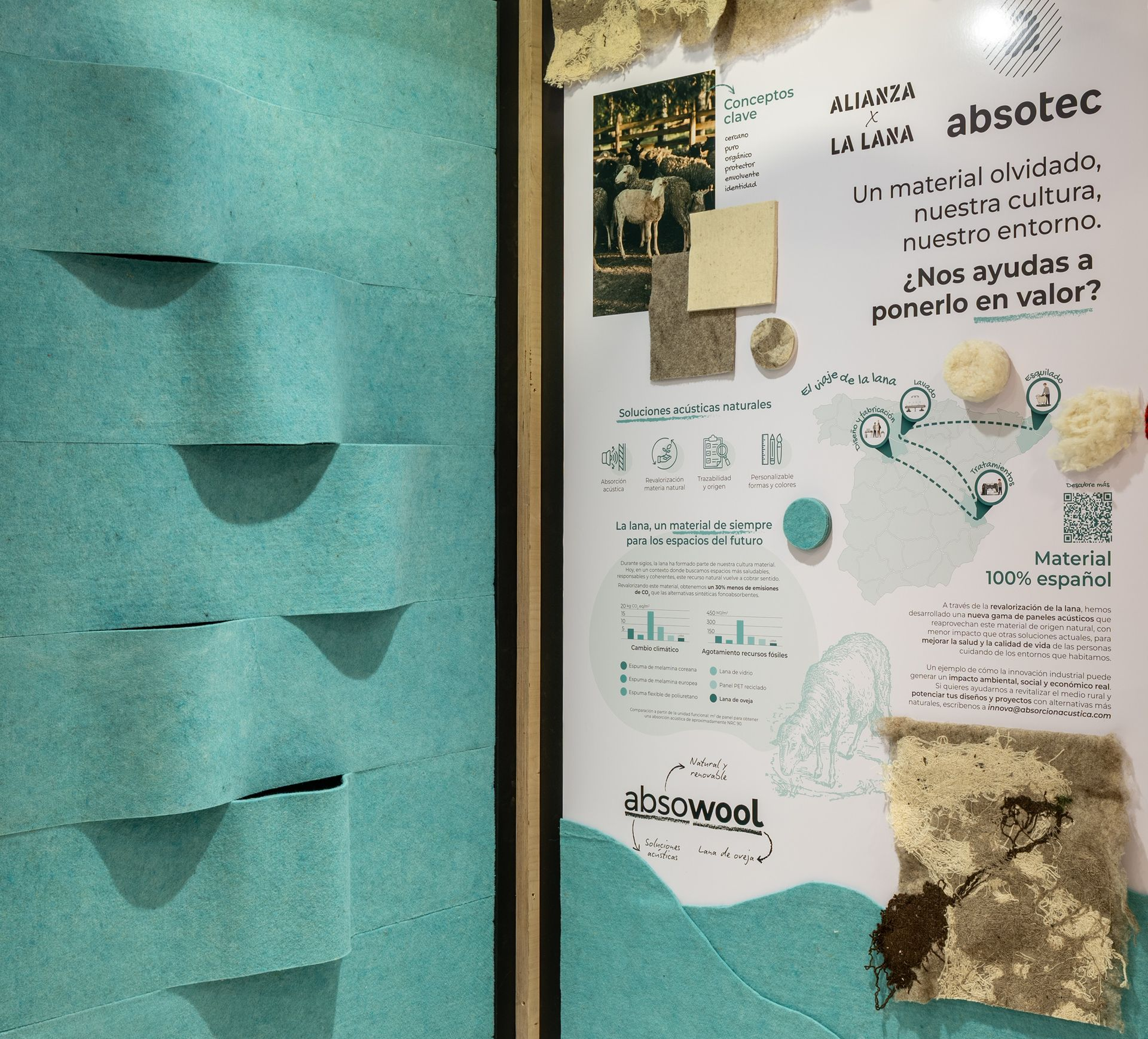
One particularly striking concept focused on the use of sheep and wool beyond the fashion industry. Designers and researchers presented new ways of integrating sheep grazing into landscape management systems, helping to prevent natural disasters such as wildfires by controlling vegetation growth. In this context, wool becomes not just a textile material but part of a broader ecological strategy capable of supporting rural economies while protecting natural environments.
Designers also addressed what could be defined as the “invisible problems” of everyday life. One example is social distraction - a phenomenon everyone experiences yet rarely recognizes as a design issue. The accumulation of small daily interruptions, from constant notifications to fragmented attention and digital overload, creates an invisible layer of stress that designers are now beginning to address through more mindful interfaces and environments.
Technology, inevitably, played also a major role. However, rather than focusing solely on innovation, many designers emphasized the importance of understanding how technology works and how it can be used responsibly. The question today is no longer simply what technology can do, but how it should be integrated ethically into our lives.
MDF: Space where there's room for everyone!
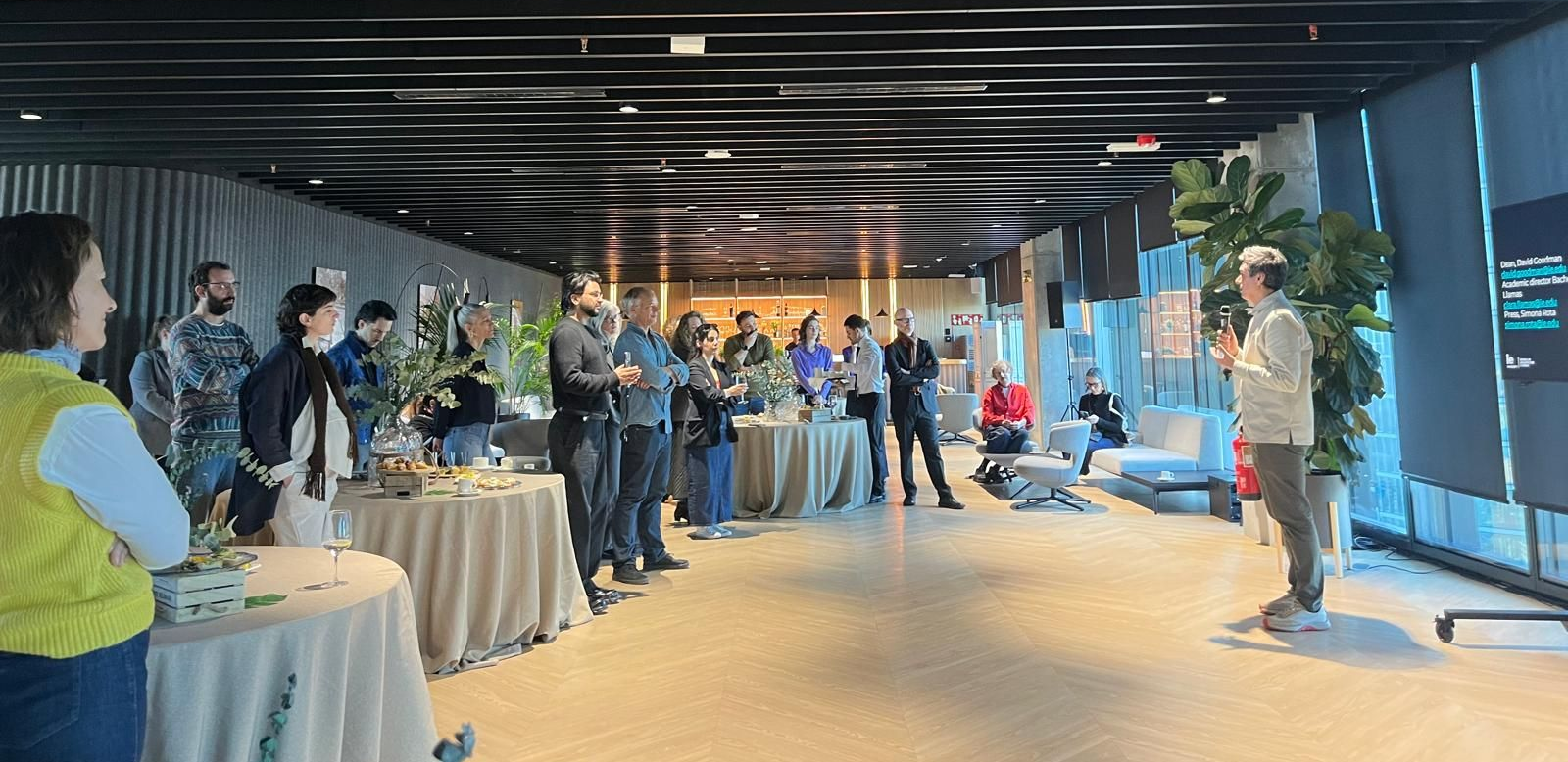
One of the most remarkable aspects of the festival was its inclusive nature. The event created a shared platform where established designers, emerging talents, students, and the general public could interact.
Institutions such as IE University actively participated in the program, demonstrating how design education is evolving to prepare younger generations for an increasingly complex professional landscape. Students were encouraged not only to develop technical skills but also to engage with social challenges and communicate their ideas to wider audiences.
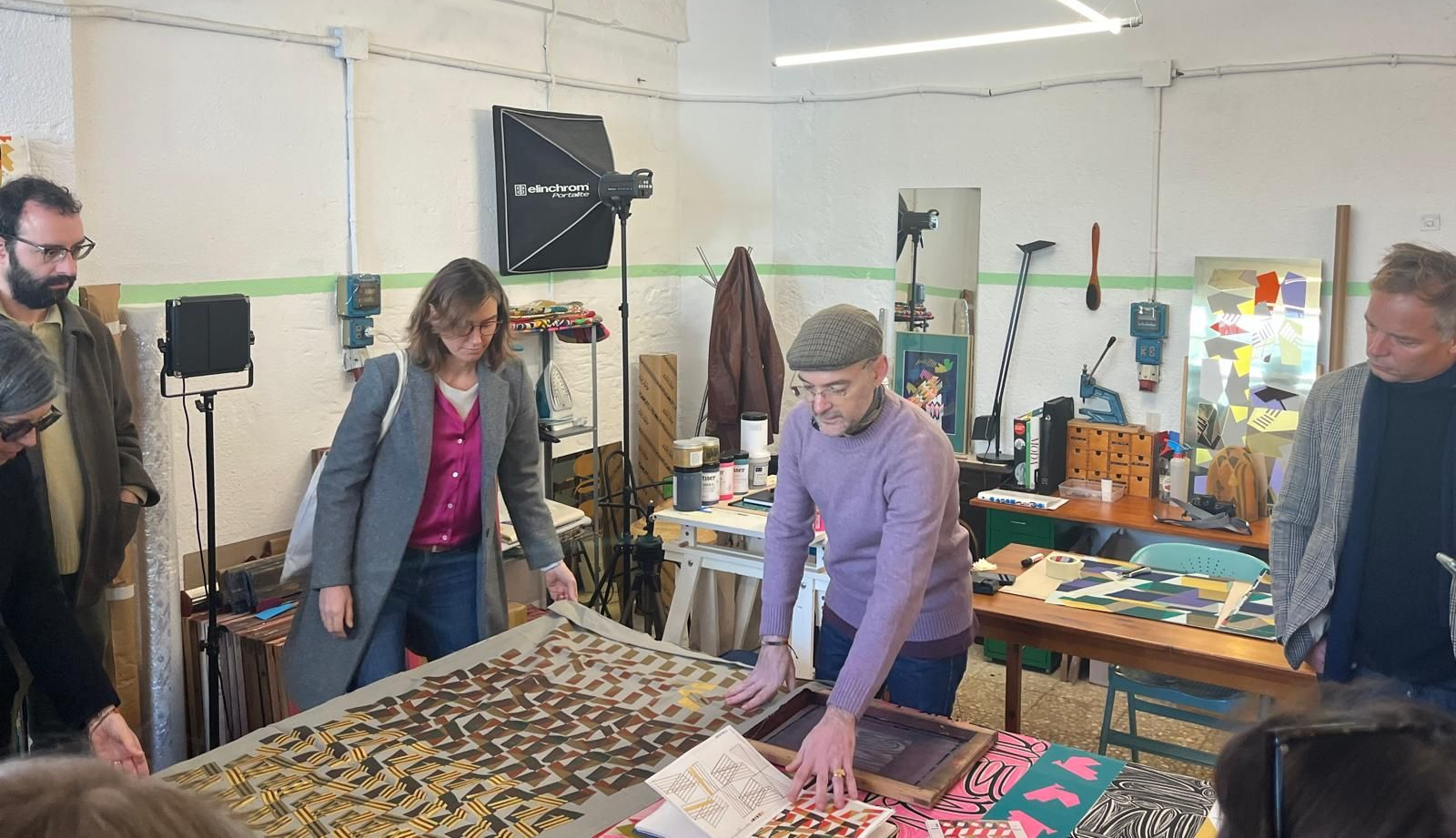
This dialogue between designers and society was further reinforced by the festival’s geographical structure. Rather than concentrating events in a single district, the festival spread throughout the city, bringing design directly into everyday urban life. Neighborhoods such as Tetuán District and Prosperidad became part of the cultural map of the festival. Local spaces, small galleries and independent venues hosted exhibitions that often reflected the character of their surroundings.
Beyond Madrid, beyond Spain.
While the festival celebrates Spanish creativity, its perspective extends far beyond national boundaries. Several exhibitions highlighted fragile cultural realities that Spanish designers and curators are helping to amplify through design.
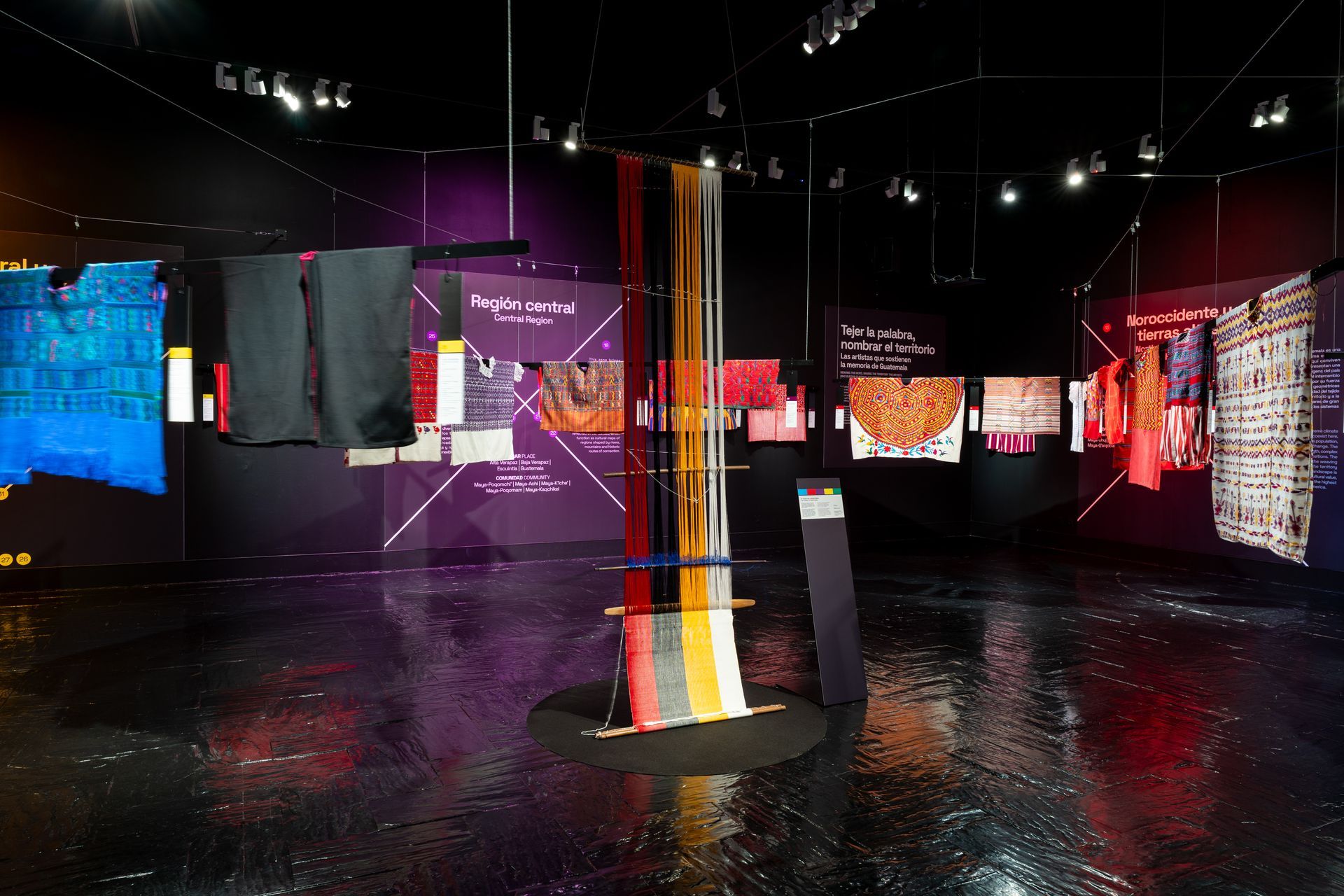
One particularly compelling example was a textile exhibition dedicated to the cultural heritage of Guatemala. Curated by Emiliano Valdés for INGUAT and developed in collaboration with Amarillo Studio and Idónica, the exhibition explored centuries of Mayan textile tradition. In this exhibition, color, in particular, emerged as a powerful language through which communities express emotions, history and collective identity. It's an emotional design aimed at creating a cultural bond.
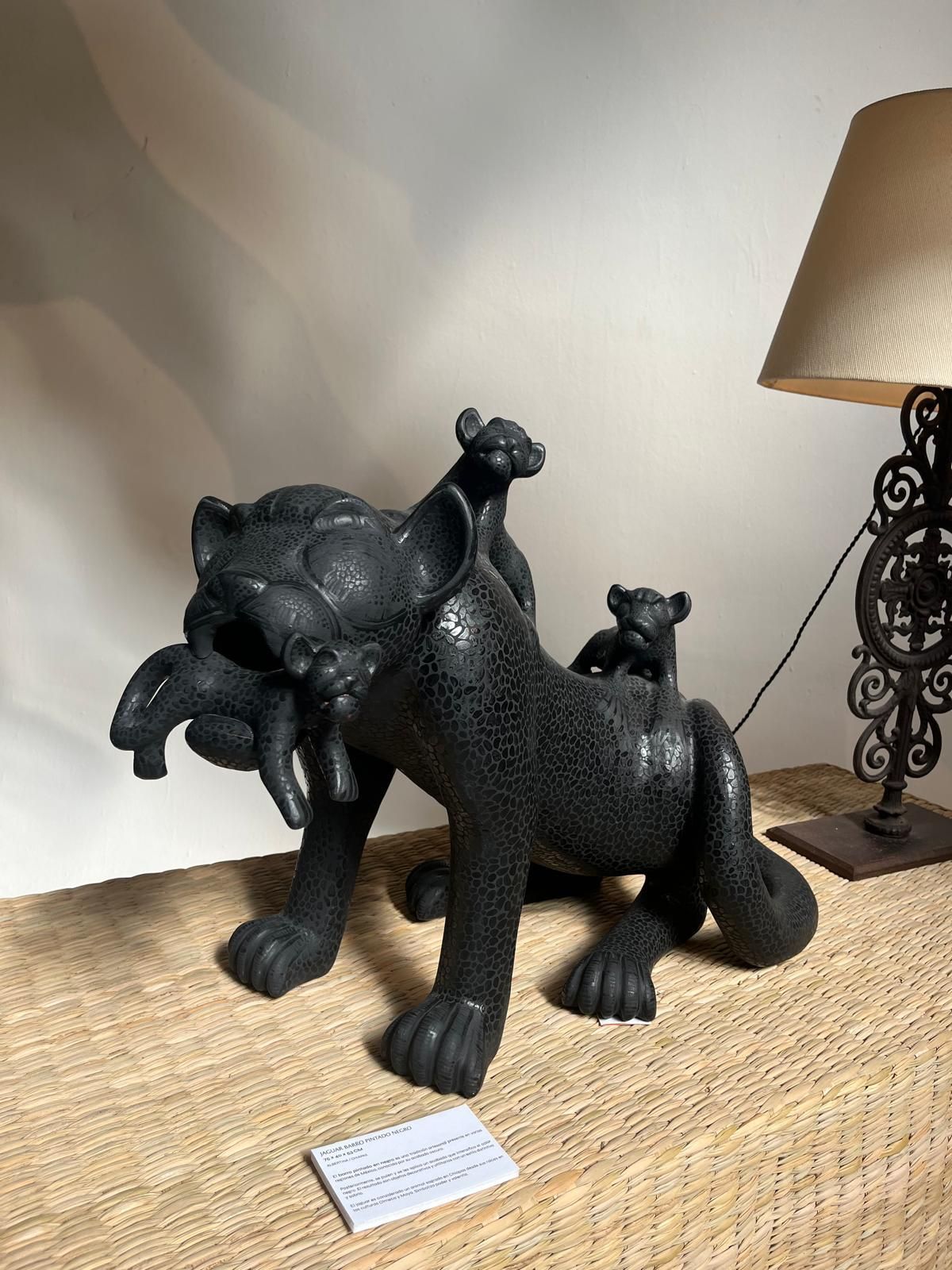
Another example of cross-cultural collaboration could be found in the showroom La Nave Q17 by
Huakal where Spanish designer initiatives support and showcase small Mexican craft communities, offering them international visibility
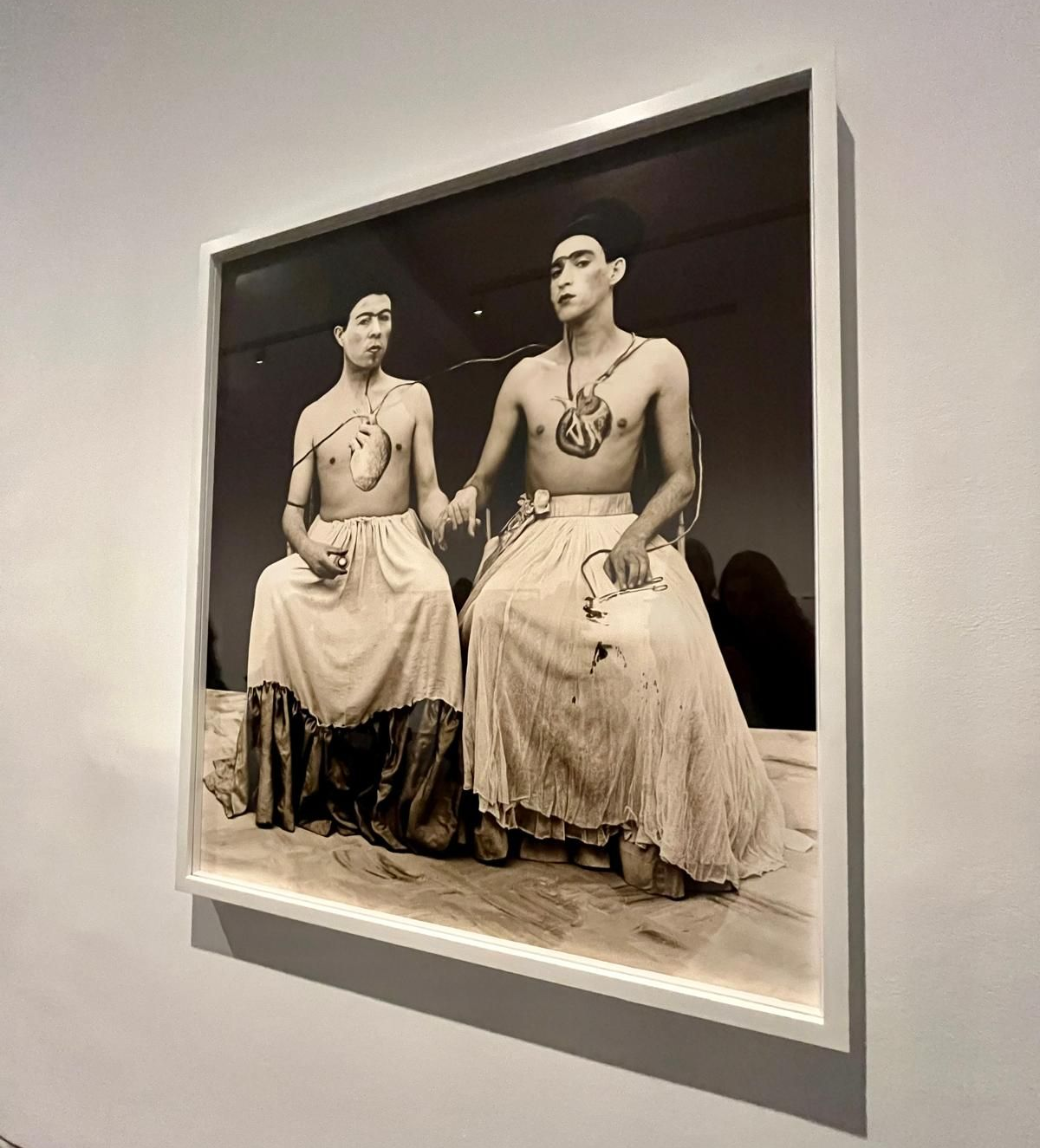
It was not “just another” design event. The Madrid Design Festival cannot easily be compared to other design events. Beyond the abundance of creativity and innovation, what truly stood out was the strong sense of dedication shared by everyone involved. From designers to curators, to organizers and institutions, all seemed driven by a genuine desire to communicate their ideas: the thought process behind each project, the story behind each material and the evolution of every concept.
For visitors, and not only, this represents a valuable (and rare) opportunity to truly understand and experience design. The festival achieved something even more meaningful than simply showcasing projects: it created real connections between people: connections that go far beyond networking or business opportunities. It became a space where individuals were willing to engage in dialogue, challenge perspectives and learn from one another.
SHARE THIS
Contribute
G&G _ Magazine is always looking for the creative talents of stylists, designers, photographers and writers from around the globe.
Find us on
Latest News
Subscribe
Keep up to date with the latest trends!
Popular Posts