


The “cul-de-sac” Residence
June 10, 2020
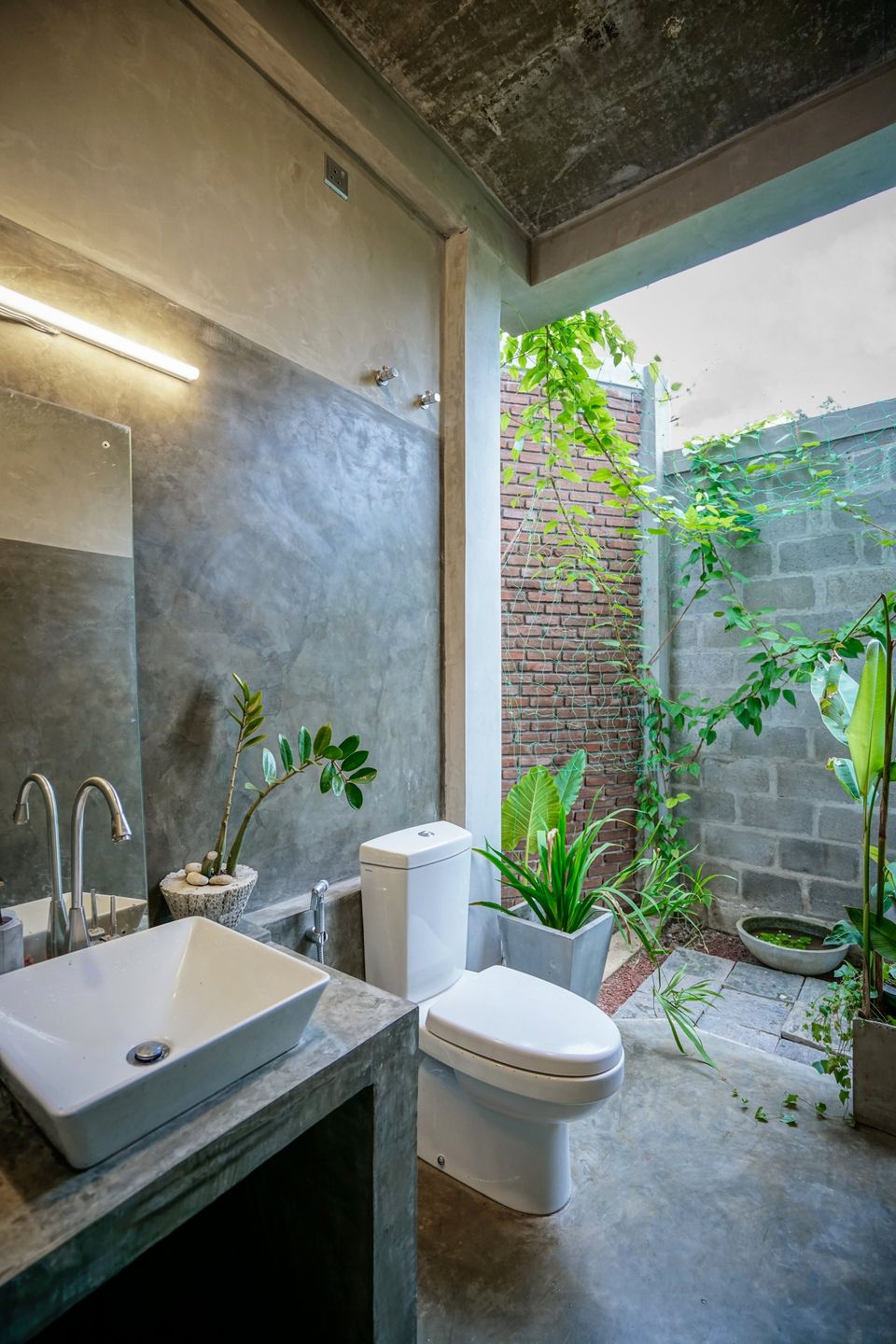
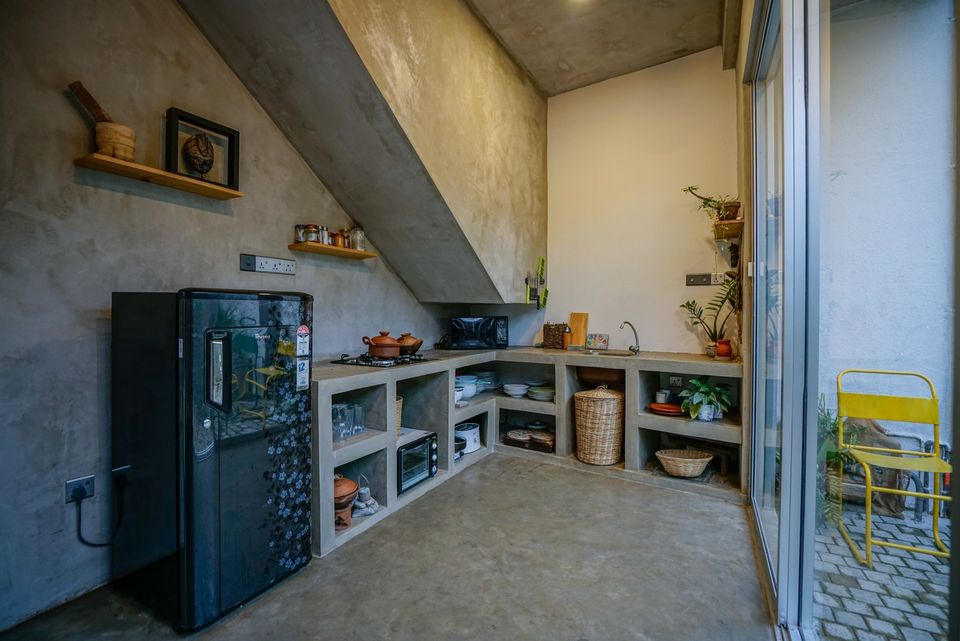
Chathurika Kulasinghe designed a house in Hokandara, Sri Lanka for a young couple with a tight budget, keen on making a home for themselves as a place to escape to and relax, away from their busy schedules.
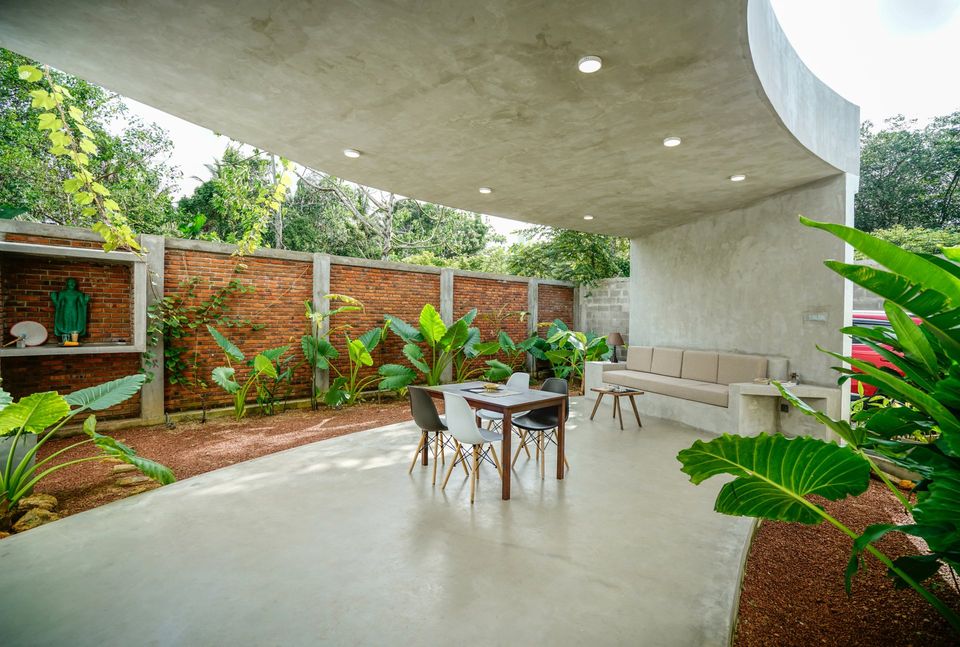
Located amidst a residential neighbourhood in Horahena, this residence is characterized by its curved formation that is derived from the site layout- a 6.56 perch plot with a cul-de-sac of the common access way defining the curved edge of the site.
The odd shaped site was purchased due to budgetary limitations. The Design intended to use this ‘odd’ site shape in a positive way, using the natural curvature of the site as the determinant in generating a positive spatial experience. Embracing this curved edge rather than contending against it, the architect took an introverted approach, creating internal gardens and much needed “free space” within this small site.
The concave edge of the site being utilized at the entrance point to the premises, is characterized by a rustic exposed brick wall.
The concave edge of the site being utilized at the entrance point to the premises, is characterized by a rustic exposed brick wall.
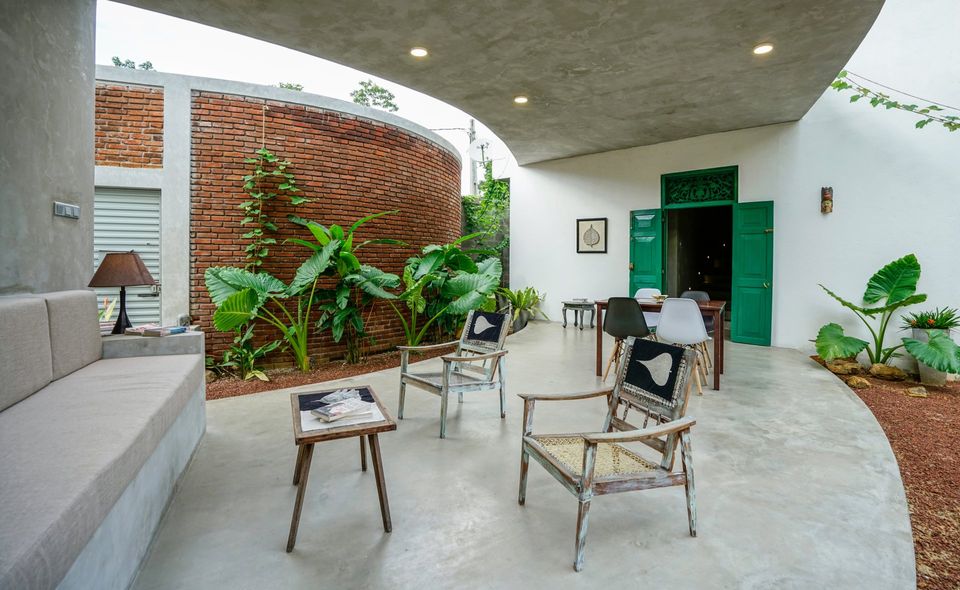
Upon entrance to the premises, one walks into the living & Dining space, with the ambience of an open pavilion, its organic form allowing for a fluid conversation with the curvilinear gardens the space opens out to. With no views and the land being blocked by other land plots, the architect designed the living & dining space as a pavilion with garden strips on either side, allowing the space to feel expansive- as if the garden were part of the roofed pavilion space.
Embellished with lush green plants native to the locality such as Habarala (Alocasia macrorrhizos) and Heliconia/ “Lobster Claws” plants, the curvilinear gardens flanking the curved edges of the pavilion are contained within the site by raising the boundary walls- an introverted approach to suit the personalities of the young couple, who required a free space to relax in seclusion amidst a busy neighbourhood.
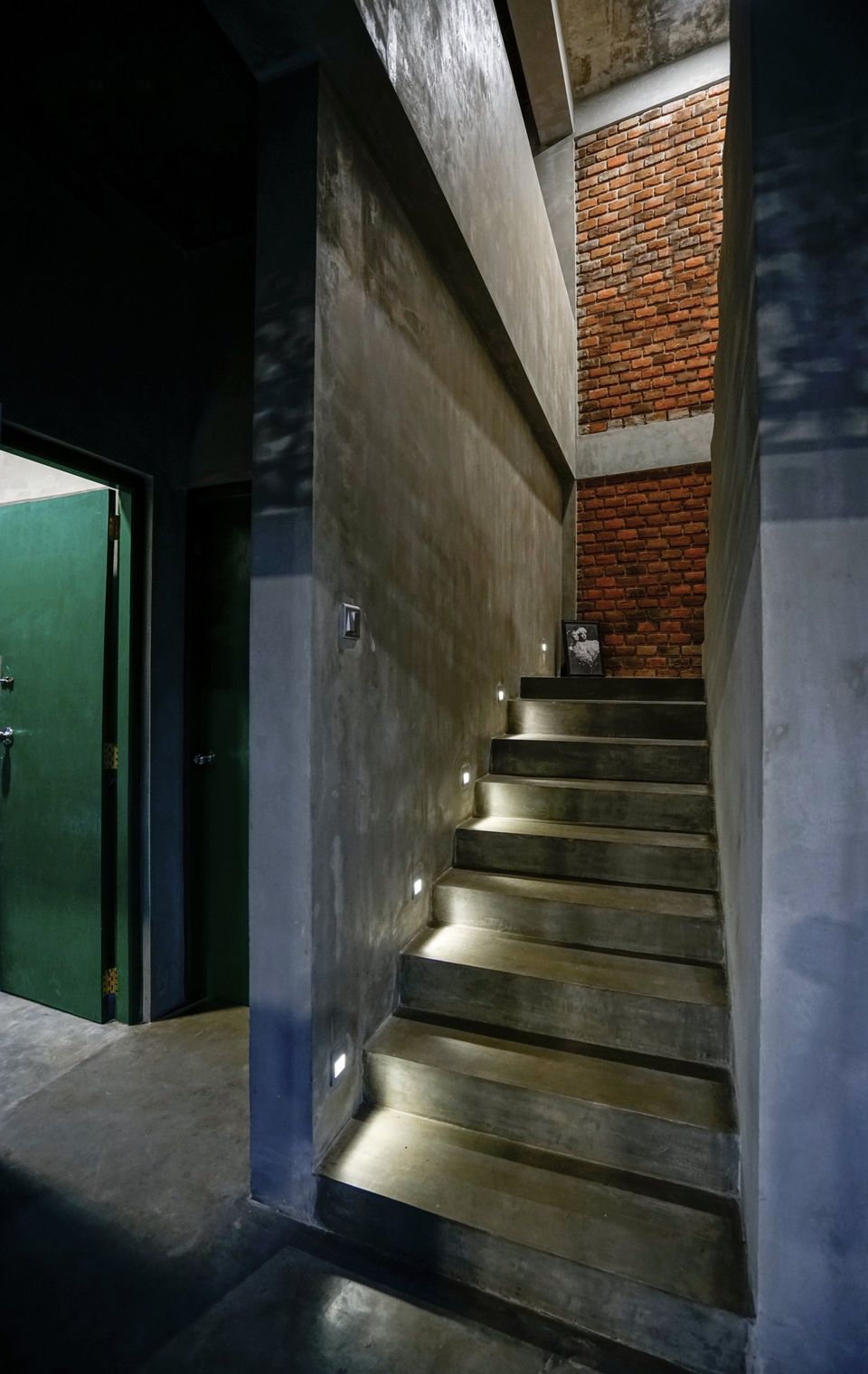
The stairs lead to the master bedroom upstairs which in turn opens out to the terrace that appears to “float” above the pavilion space below, adorned with greenery on either side of the linear walk on the terrace.
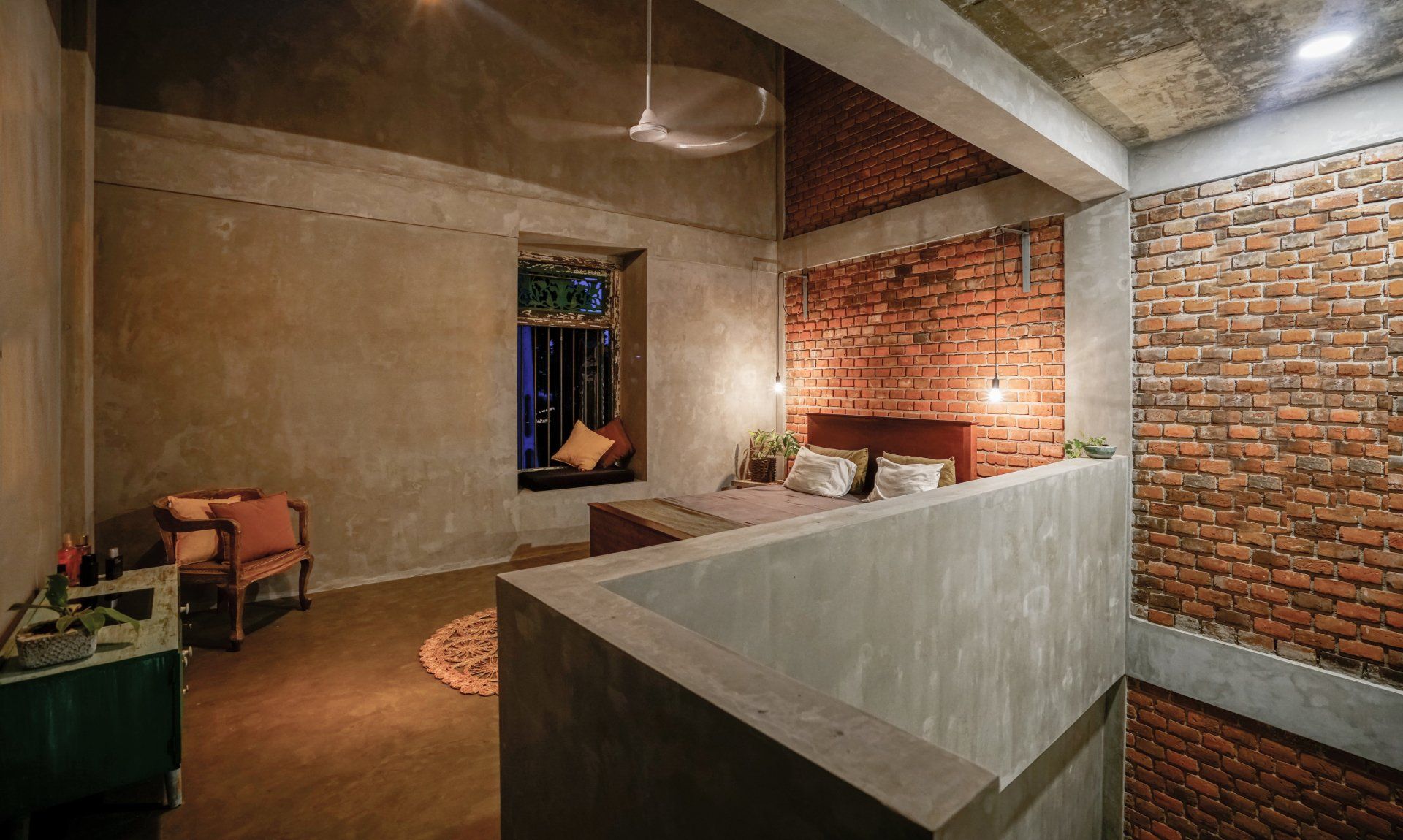
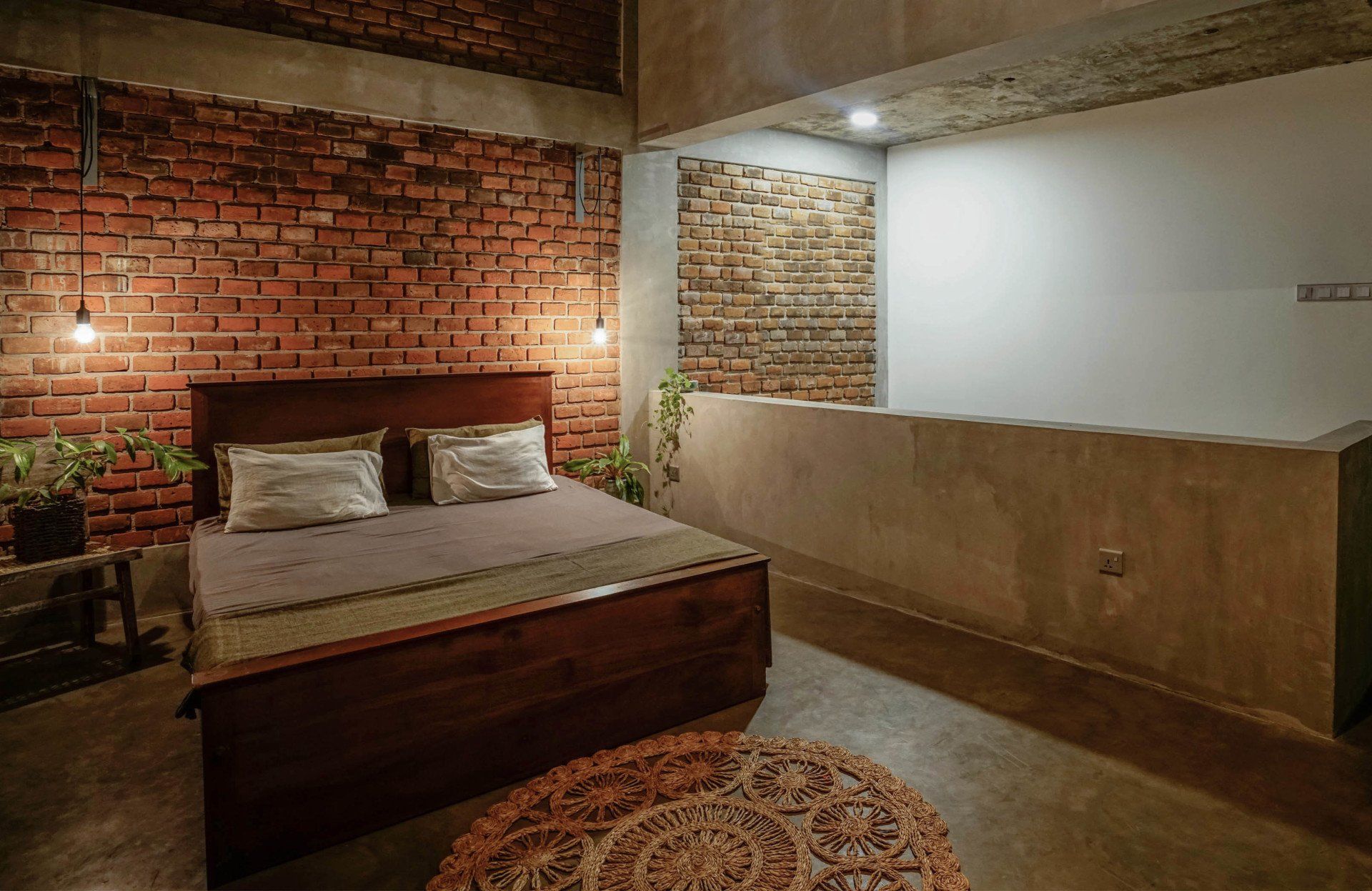
The Master Bedroom has a sloping roof that creates a large spacial volume- a peak in the spacial experience, with a feature exposed brick wall being created as an earthy & rustic material to tone down the space and create a ‘homely’ ambience.
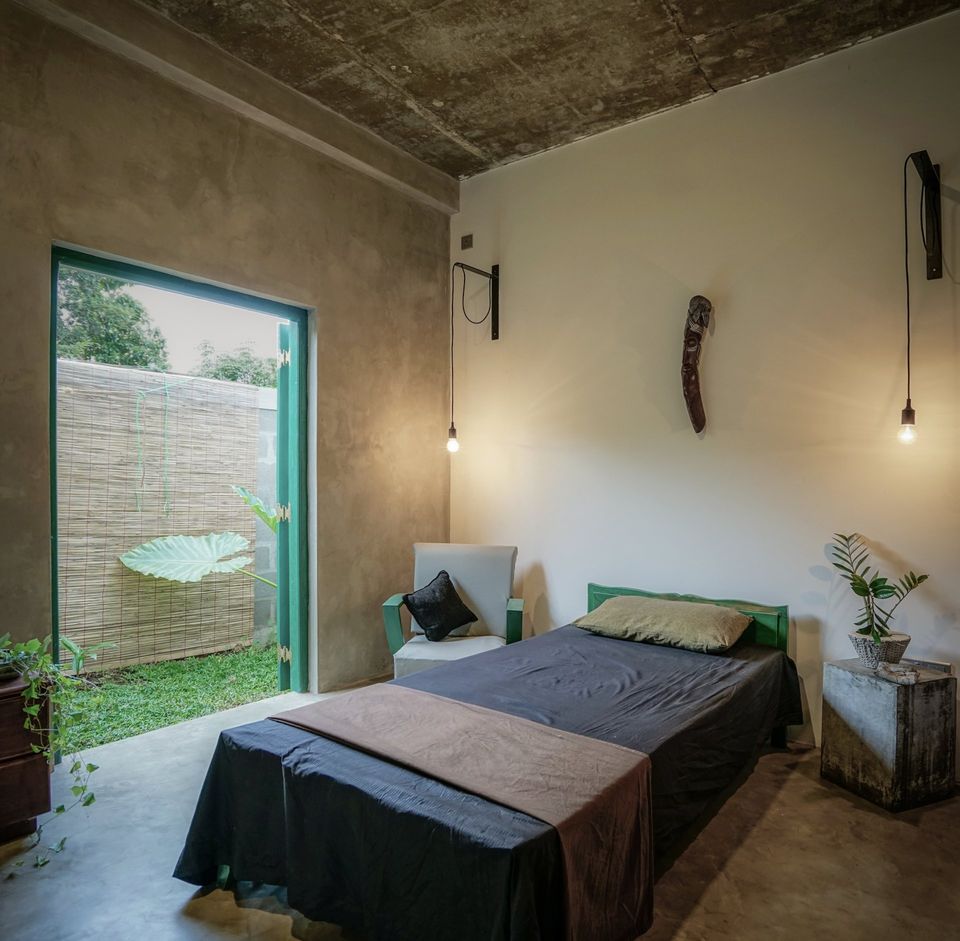
Earthy, rustic undertones complement simple white plastered walls and are used carefully so that the architecture is simple to meet the simple busy lifestyle of the owners and work within budgetary constraints, yet colourful elements and greenery create what they call their ‘home’ in a tropical environment.
Photography by Ramitha Watareka Photography
www.chathurikakulasinghe.com
SHARE THIS
Contribute
G&G _ Magazine is always looking for the creative talents of stylists, designers, photographers and writers from around the globe.
Find us on
Latest News
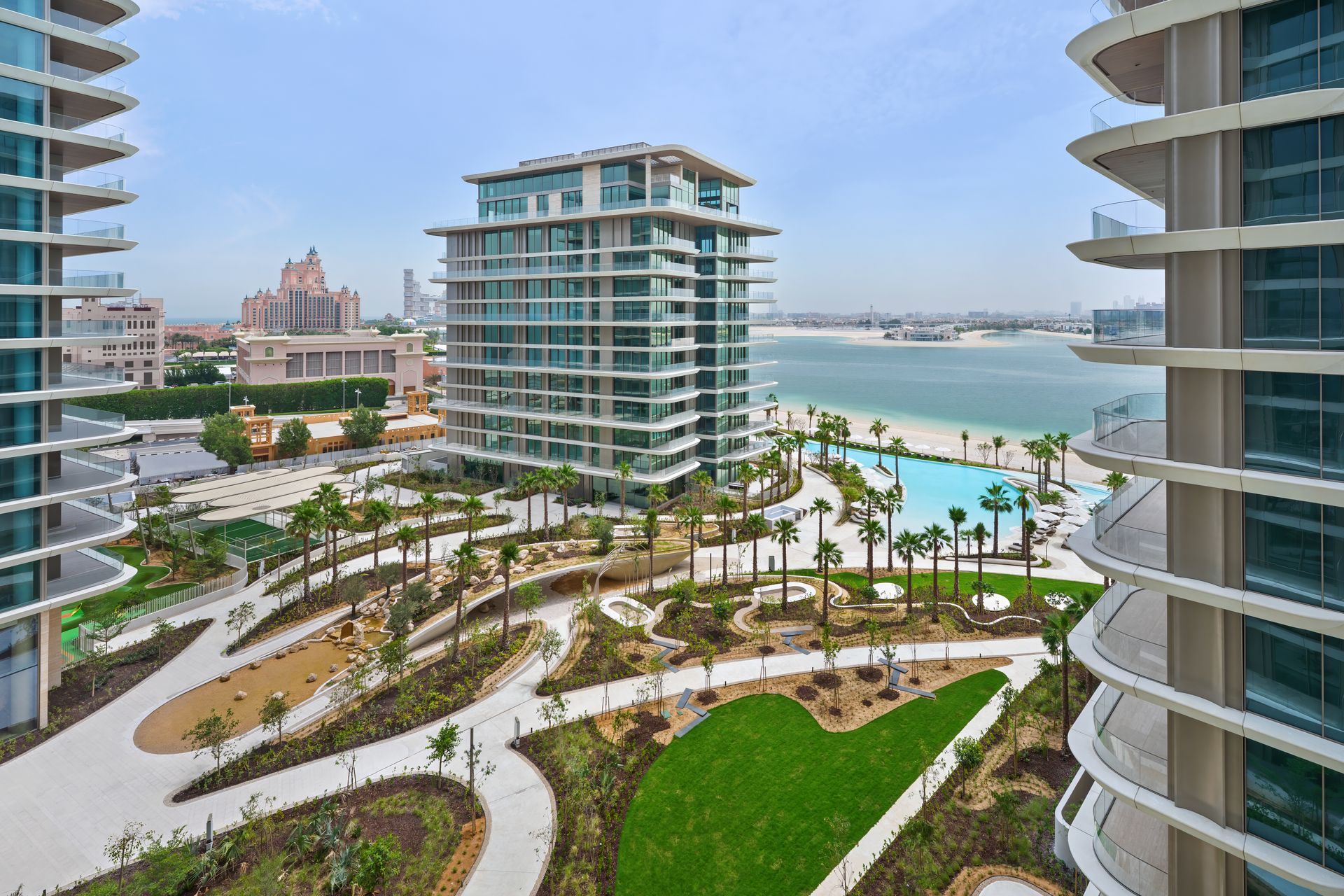
With nearly four decades of experience in the Middle East, Godwin Austen Johnson approaches architecture through a deep understanding of context, climate, culture and the commercial realities that shape the built environment. This perspective is expressed in Serenia Living, the practice’s completed luxury residential development on Palm Jumeirah and winner of the 2026 Luxury Lifestyle Awards for Best Luxury Apartment Architecture in Dubai, UAE .
Ten years after its launch in Milan, Contract District Group enters a new phase of growth, combining interior design expertise, proprietary technology and artificial intelligence to reshape furniture distribution across contract and retail markets.
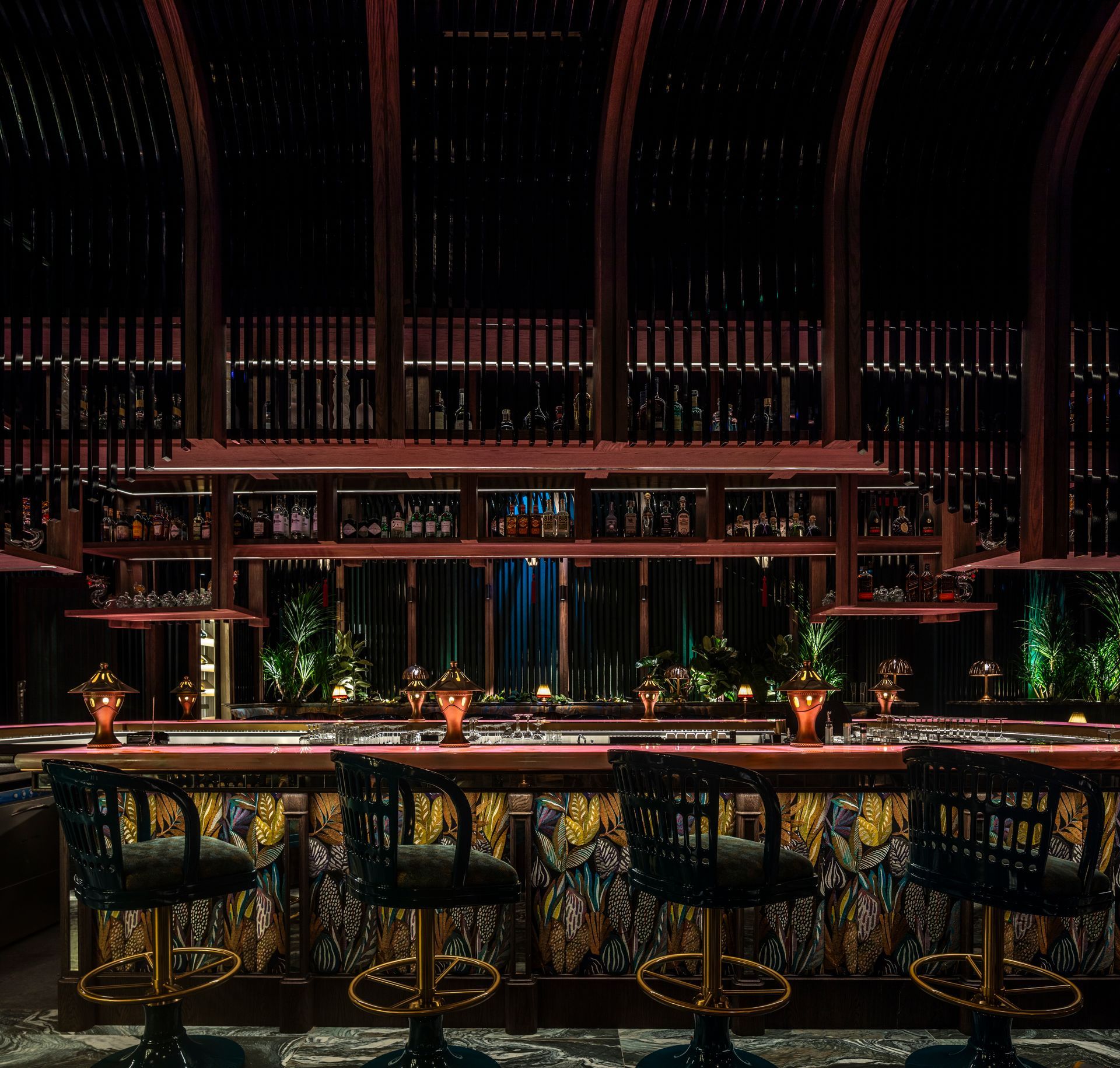
Studio WYZE, the interior design firm with studios in London and Zurich, projected TATTU Dubai of Permanently Unique Group, located within the world’s tallest hotel Ciel Dubai Marina .

From 12 to 20 September 2026, the eighth edition of Lake Como Design Festival unfolds across Como, Lake Como and, for the first time, Lecco, bringing exhibitions, installations and new collaborations under the theme “ Border ”.
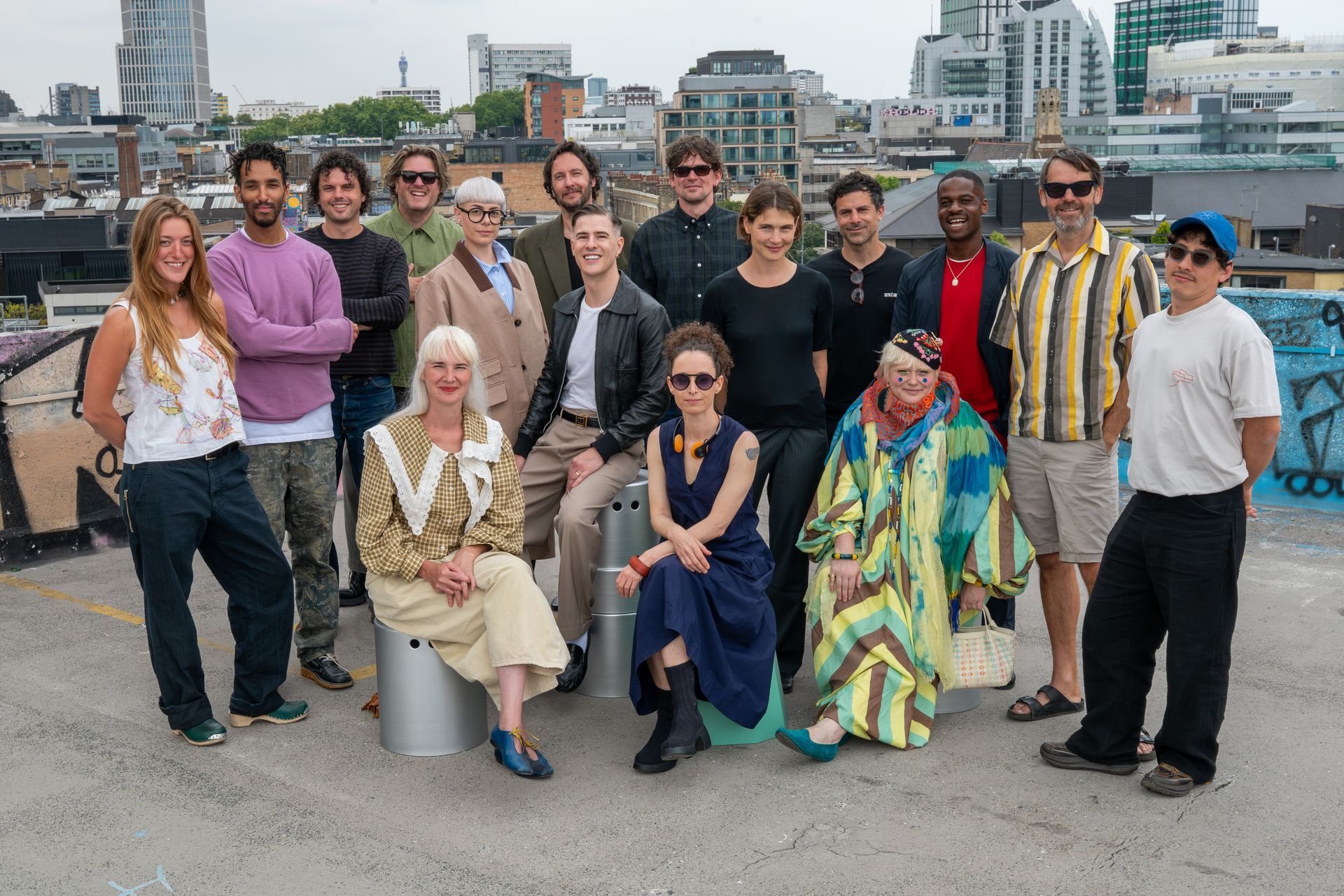
Running from 15 to 20 September 2026 Shoreditch Design Week brings together more than 100 showrooms, exhibitions, installations and events across LDF’s largest design district. This year's programme expands with the addition of Material Matters at Unlocked, ND Selects at Kachette and Neuroplaces alongside returning favourites including Design at Work, Isola Design, 2LG Studio and Raw Collaborative at House of Icon further cementing Shoreditch's reputation as a leading destination for contemporary design.
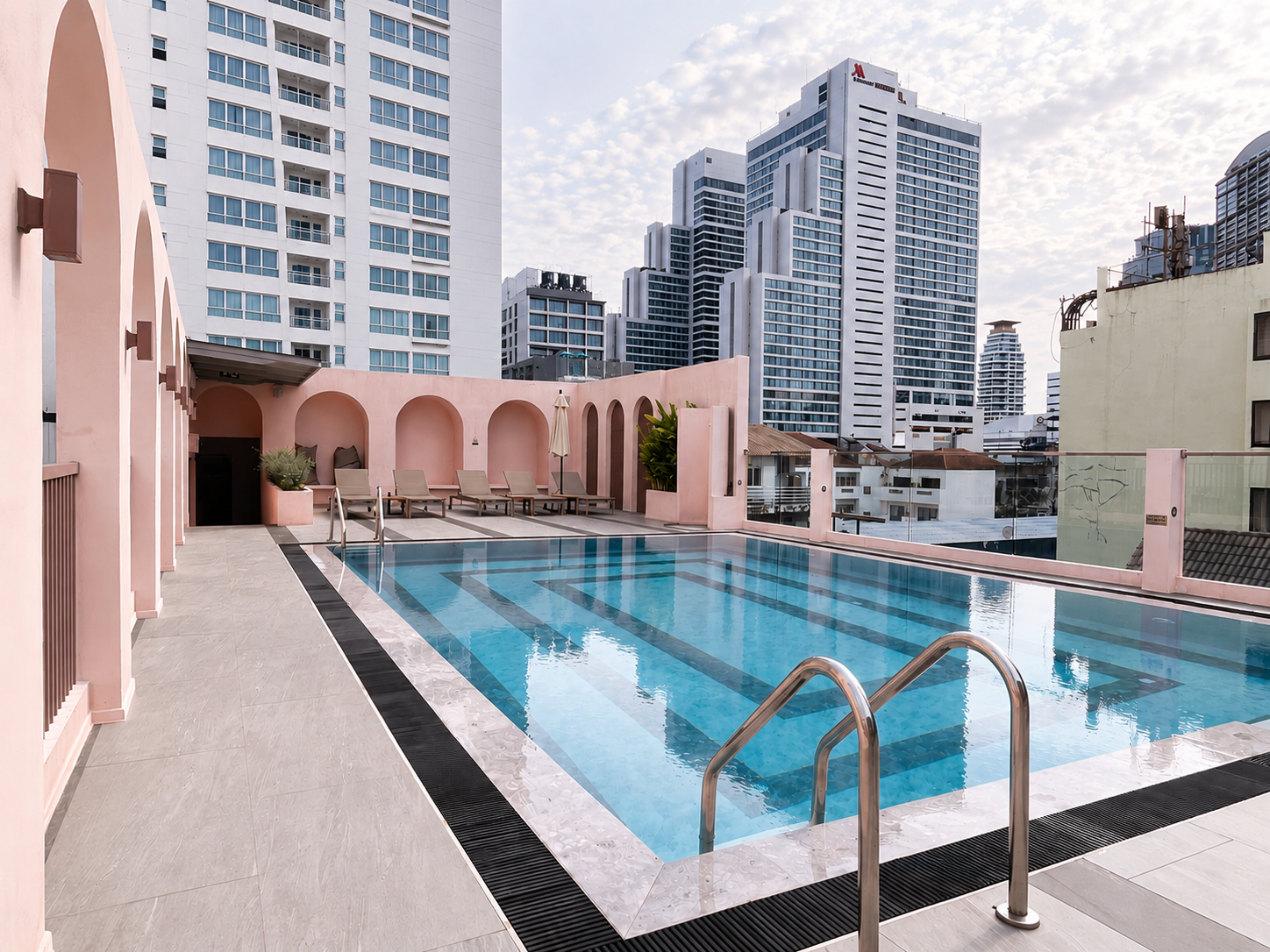
In the vibrant Sukhumvit district, tender pink, graceful arches and refined minimalist design come together at Away Sukhumvit Bangkok , creating a playful yet sophisticated retreat for the modern traveler.
Subscribe
Keep up to date with the latest trends!
Popular Posts
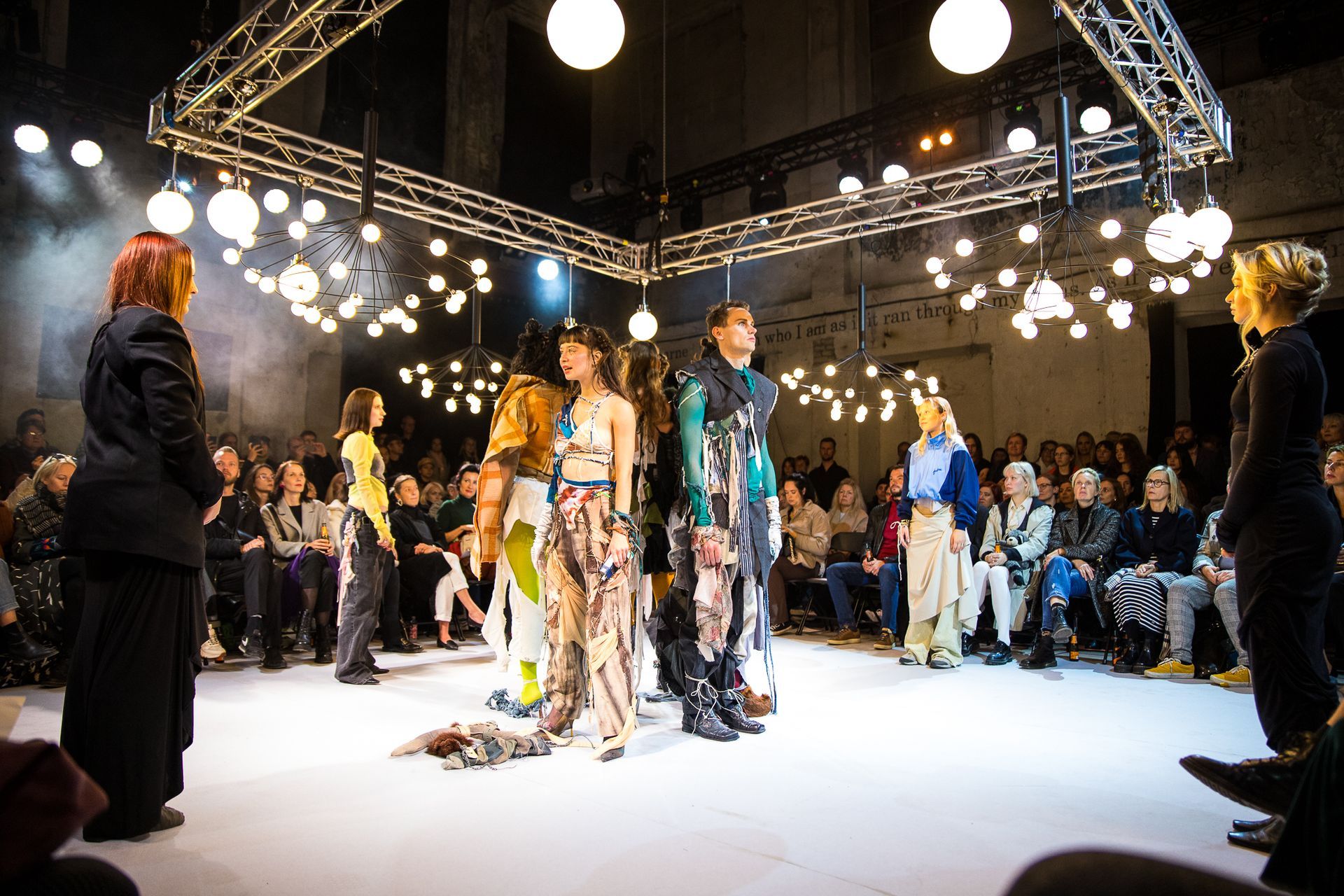
From AI and mass production to materials and responsibility, the 21st Tallinn Design Festival explores the future of product design through exhibitions, talks and events across Estonia’s capital, from 28 September to 4 October 2026.
Studio WYZE, the interior design firm with studios in London and Zurich, projected TATTU Dubai of Permanently Unique Group, located within the world’s tallest hotel Ciel Dubai Marina .
In Kyiv, Ater Architects projected Integral Fitness Studio , seamlessly integrated with G.Bar , as a contemporary environment where movement, beauty and holistic wellbeing come together.