


Between Industrial Roots and Contemporary Elegance: A Stay at Vienna House by Wyndham Mokotow Warsaw
In the ever-evolving Mokotów district, where glass office towers rise beside traces of the city’s industrial past, Vienna House by Wyndham Mokotow Warsaw stands as a refined interpretation of contrast. The hotel captures the spirit of a capital that has rebuilt and redefined itself, blending brutalist echoes and a cleaner, more contemporary integration that reflects the innovative pulse of modern Warsaw.
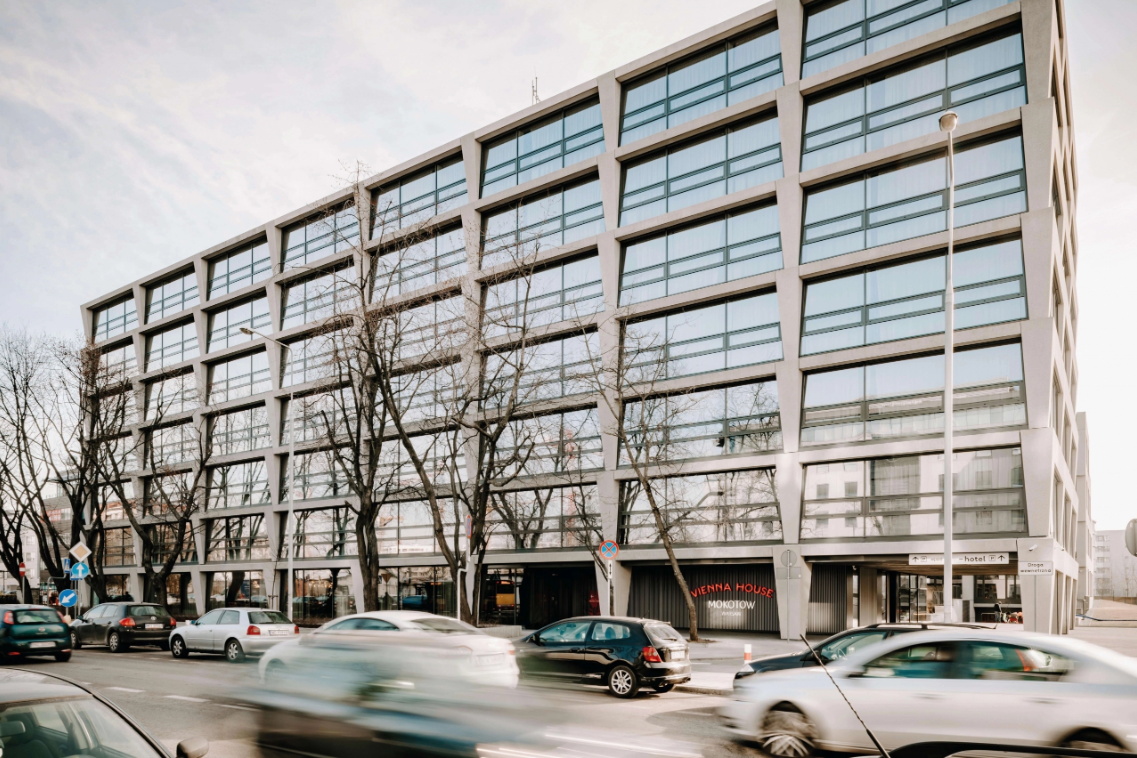
Opened in 2019 and designed by the renowned JEMS Architekci, Vienna House by Wyndham Mokotow Warsaw stands out for its architectural coherence with the surrounding Mokotów district, its ecological awareness, and a versatility that defines both its spatial layout and aesthetic language. The building does not impose itself on the neighborhood; rather, it integrates seamlessly into Warsaw’s contemporary business landscape while maintaining a strong design identity.
From the entrance, the hotel establishes a clear narrative. The lobby feels unapologetically industrial: exposed concrete ceilings, visible ventilation ducts, and structural columns define the architectural rhythm of the space. There is a brutalist clarity here — nothing concealed, nothing superfluous. The materials are presented in their raw state, echoing the post-industrial character that still shapes parts of the city. Suspended above the reception desk, the striking In the Tube chandeliers by DCW Éditions immediately capture attention. Yet what prevents the lobby from feeling austere is its careful layering. Warm lighting contrasts with the rigidity of concrete lines. Velvet armchairs in muted greens and earthy browns introduce softness. A large zigzag-patterned rug adds mid-century dynamism, breaking the severity of the polished floor and anchoring the seating areas with visual warmth.
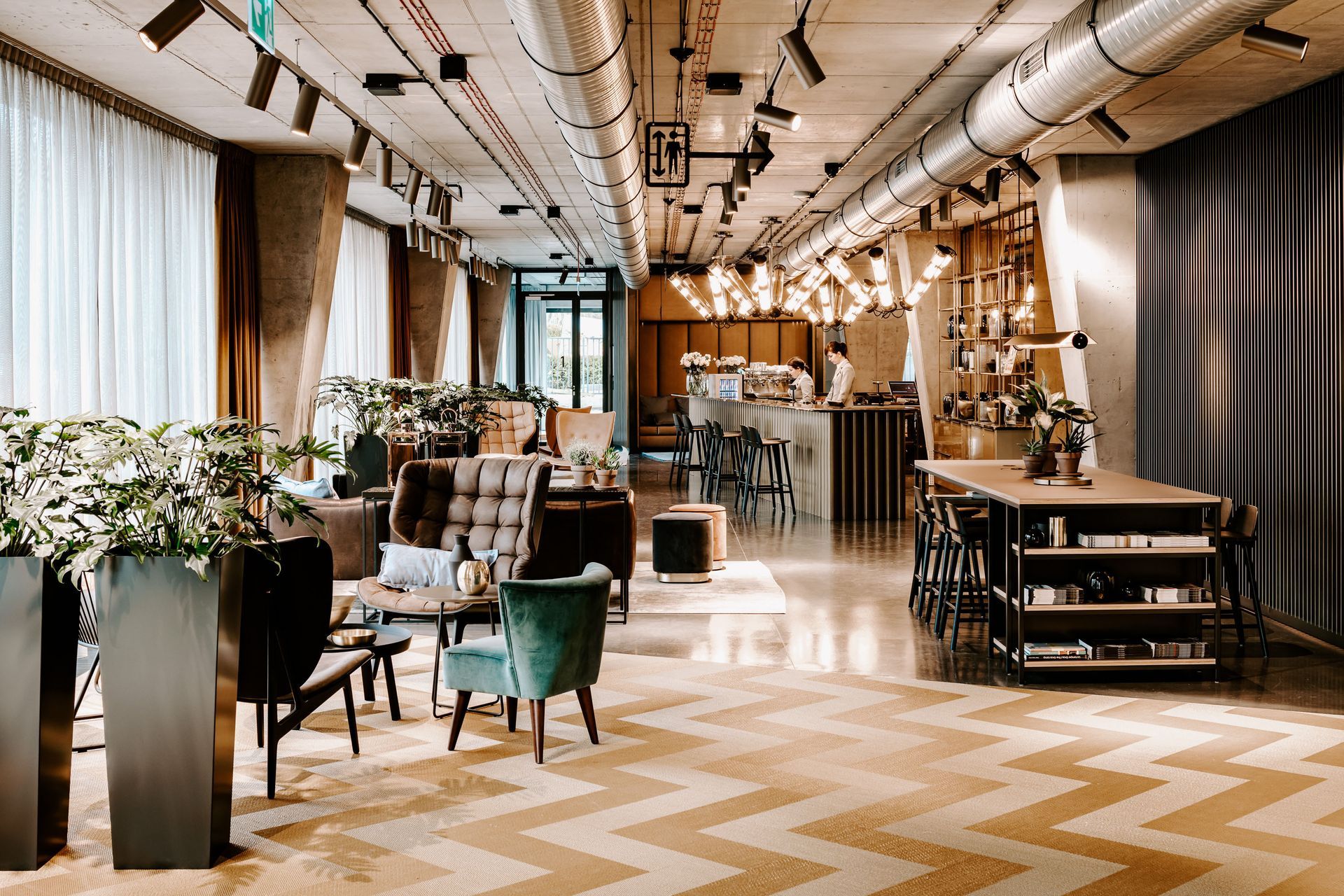
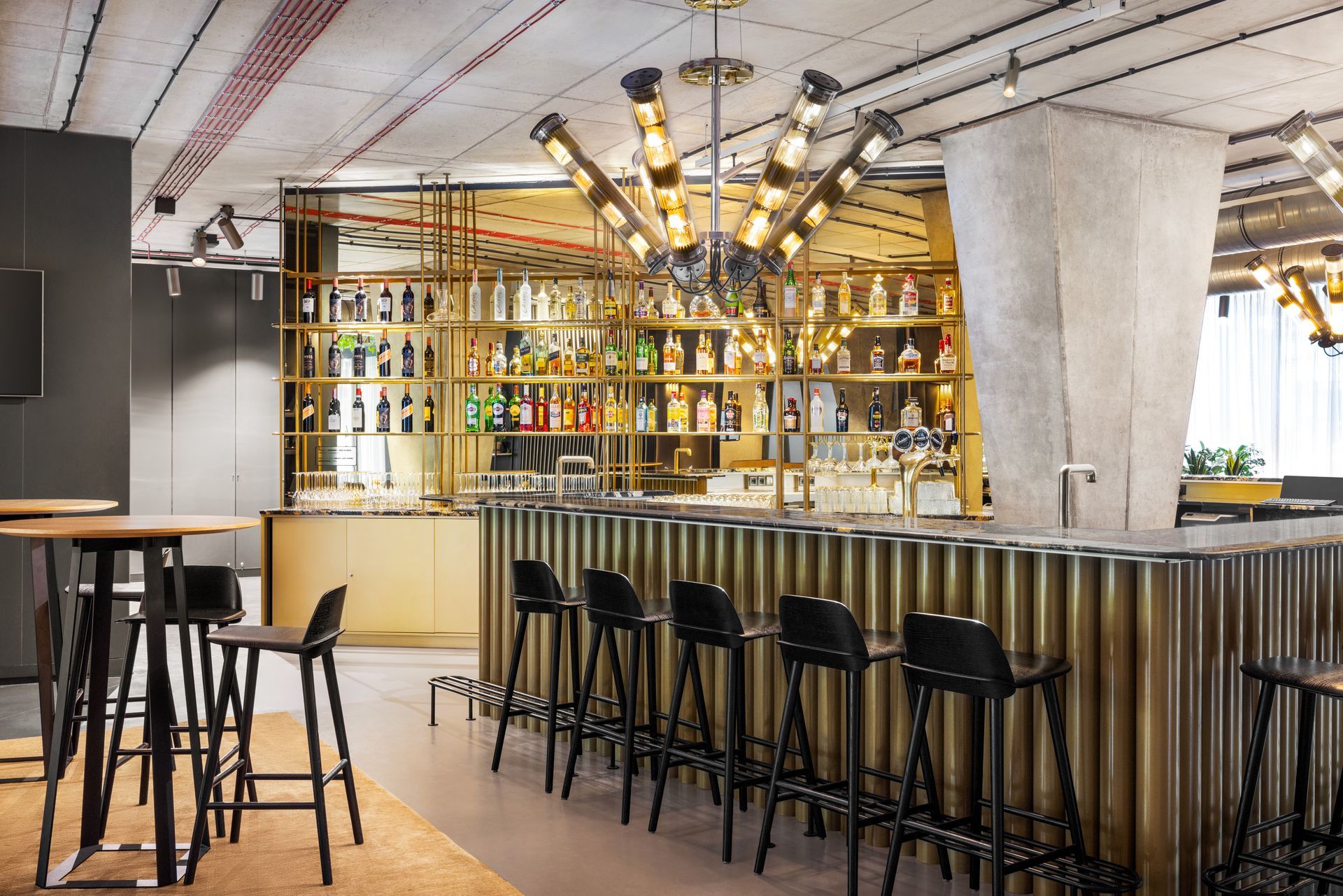
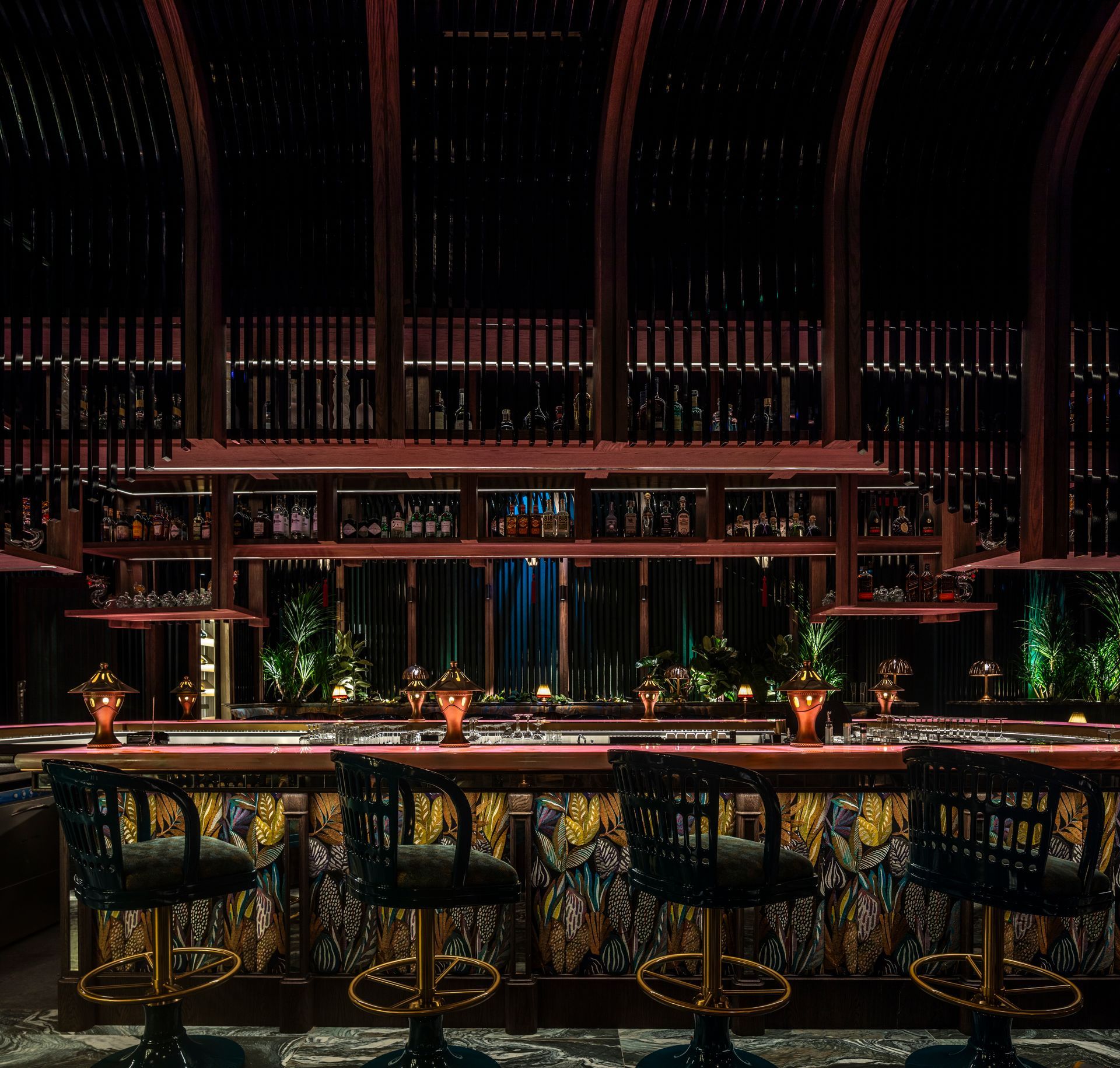
The architectural line of the lobby flows seamlessly into the Bar, dissolving the traditional boundary between check-in and social space. This fluid transition is more than a design gesture; it reflects a contemporary understanding of hospitality where functions overlap and atmospheres merge. The energy is dynamic yet never chaotic. The long counter, framed by warm lighting and industrial detailing, becomes the heart of the space. A natural point of convergence!
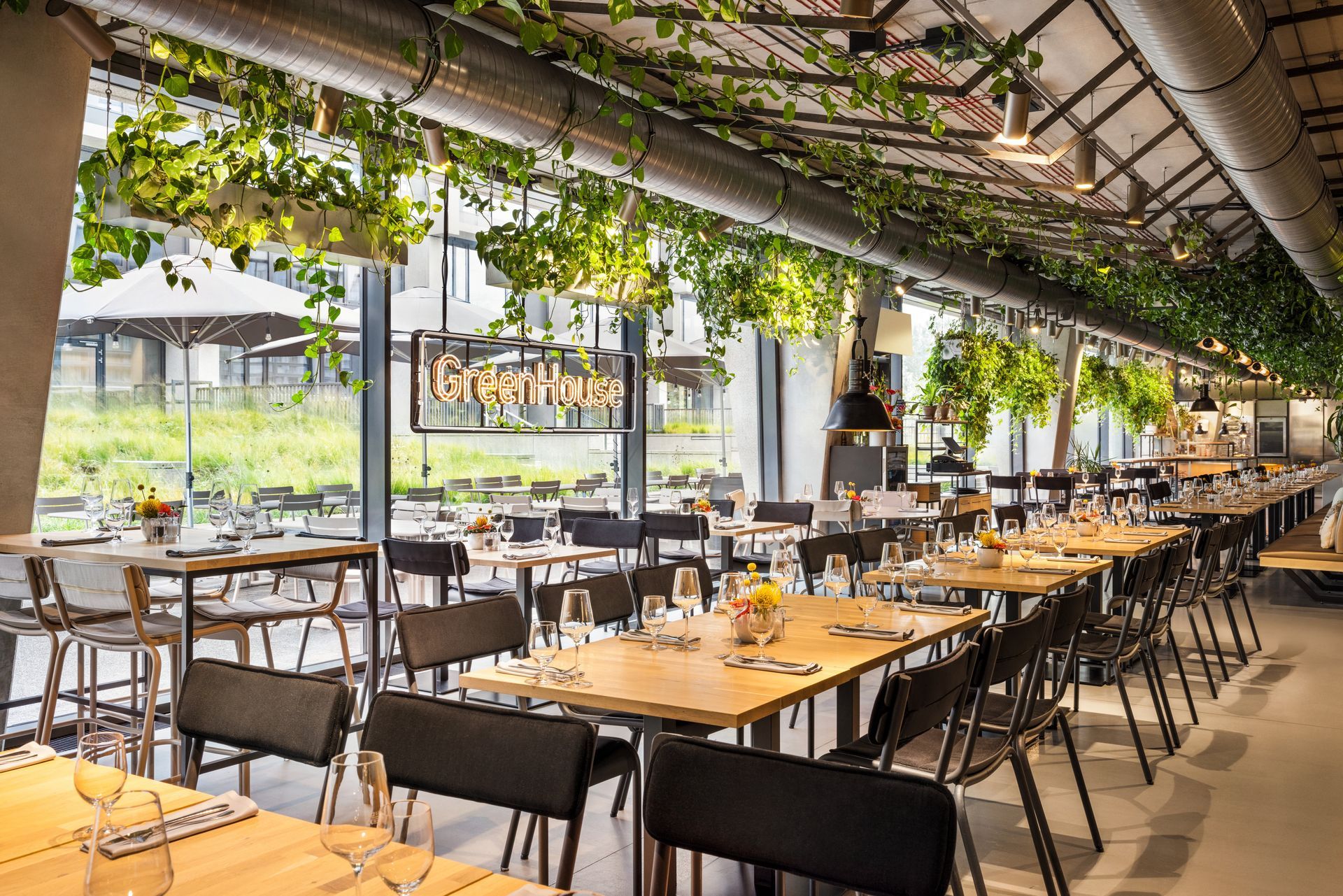
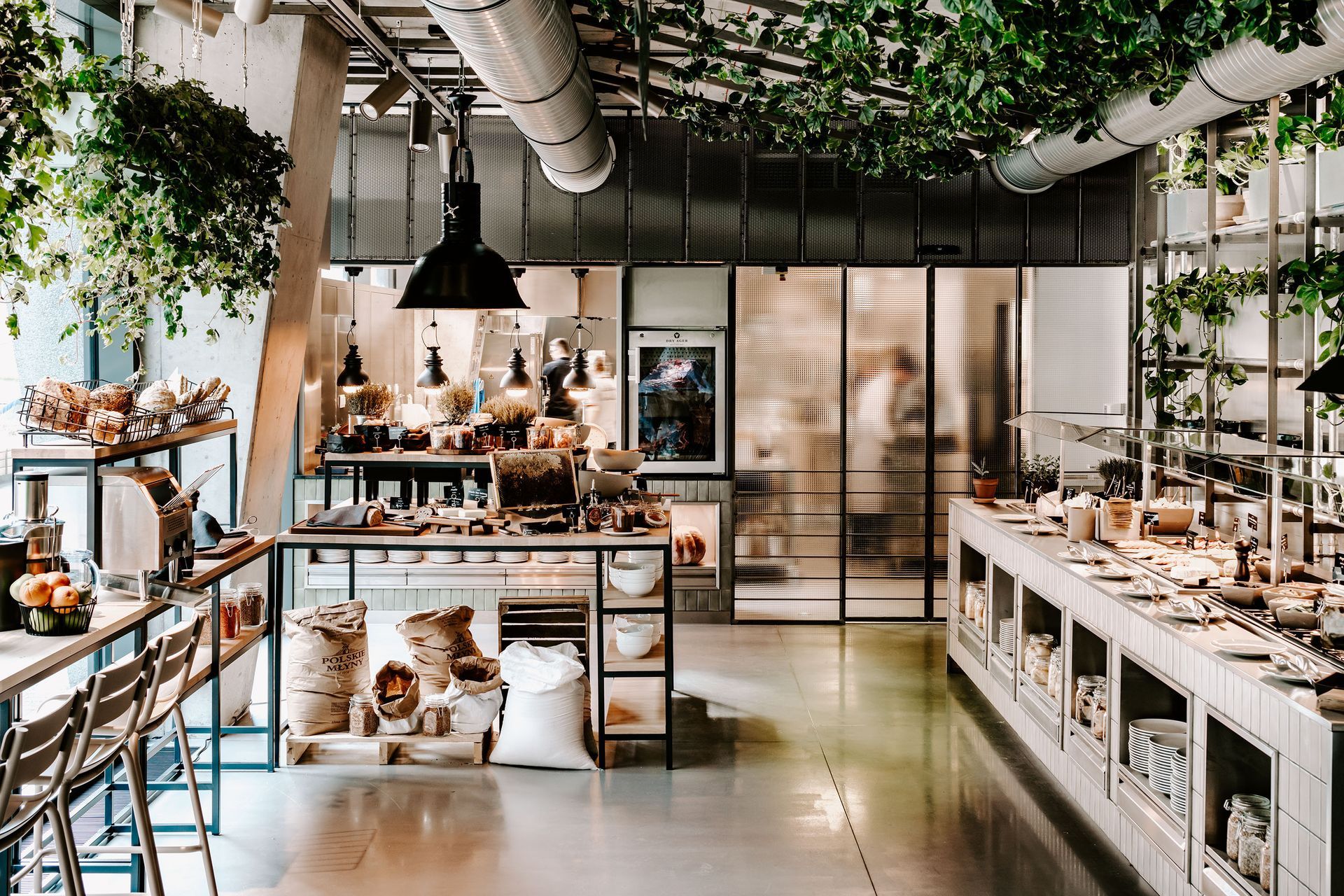
GreenHouse Restaurant: the name is not a decorative concept but it's a spatial experience! From the moment you step inside, greenery becomes architecture. Plants climb across entire walls, soften the ceiling lines, and frame the large windows, creating a layered dialogue between interior and exterior. Seated at the table, you feel enveloped in lush green tones that contrast beautifully with the building’s industrial backbone. It is immersive without being theatrical - a natural extension of the hotel’s design narrative. Raw concrete walls remain visible, anchoring the space with their brutalist honesty. Black industrial lamps illuminate the balcony of the open kitchen, and a striking oversized lamp at the entrance echoes the same design language, bold and functional.
Lighting plays a particularly intelligent role here. It's carefully calibrated not to distract from the interiors. Instead of dramatic spotlights or decorative excess, the restaurant opts for a softer, almost shy illumination. The result is a delicate balance: enough light to appreciate textures and dishes, yet subdued enough to create an intimate, slightly blurred atmosphere.
The open kitchen becomes part of the scenography. You witness the rhythm of preparation, the choreography of chefs working with precision, reinforcing a sense of transparency and craftsmanship. It adds movement without noise, energy without chaos. Culinarily, GreenHouse explores creative, modern cuisine with a strong focus on locally sourced ingredients. The menu reflects Warsaw’s contemporary gastronomic evolution: rooted in tradition yet interpreted through a forward-looking lens.
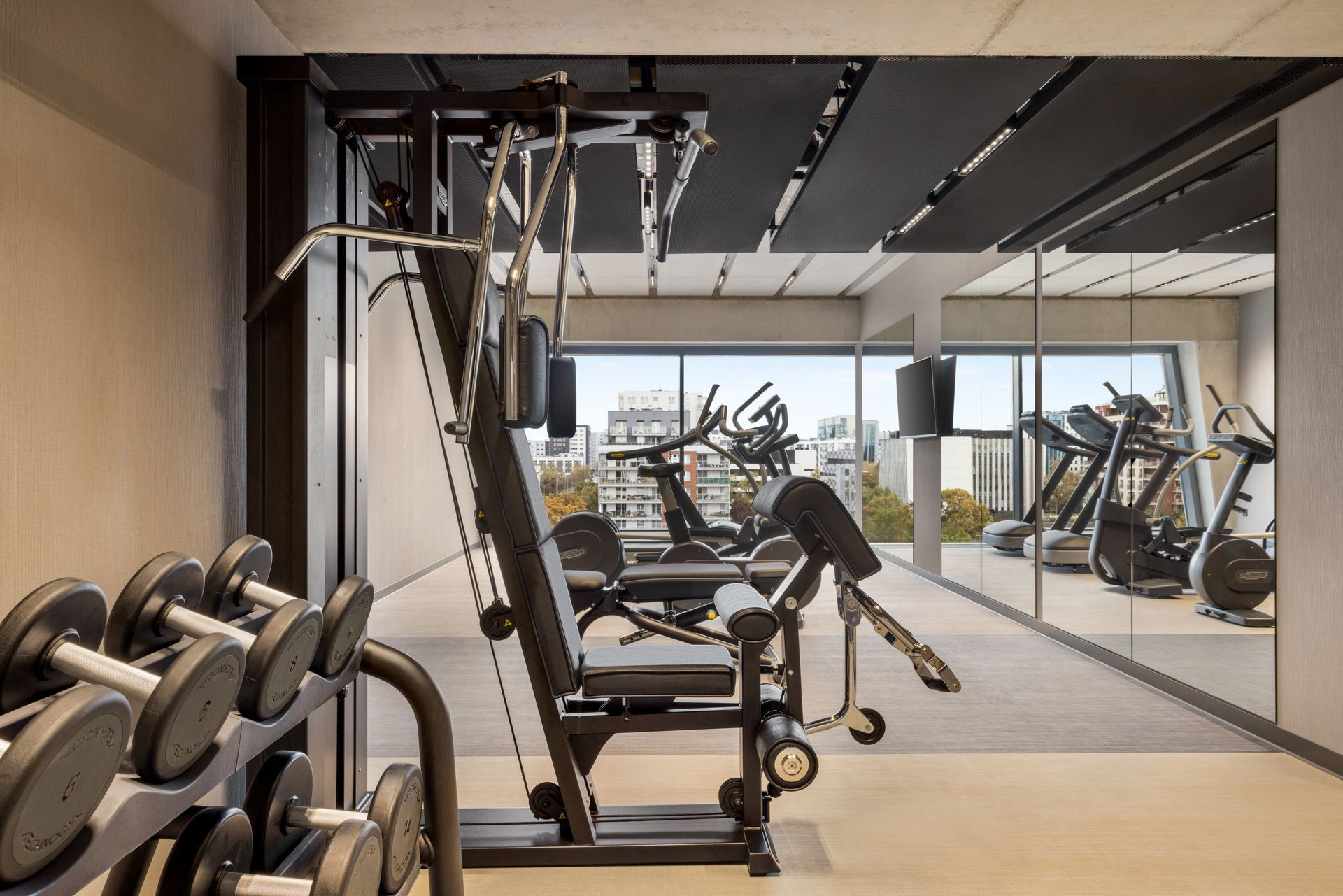
On the sixth floor, we find the Fitness center that offers a breathtaking view. Natural light floods the space, so the city skyline becomes part of the workout experience. The gym is thoughtfully divided into two zones: one open and panoramic for those energized by the urban view, and a more secluded area designed for privacy (almost a retreat-like corner for focused, uninterrupted training).
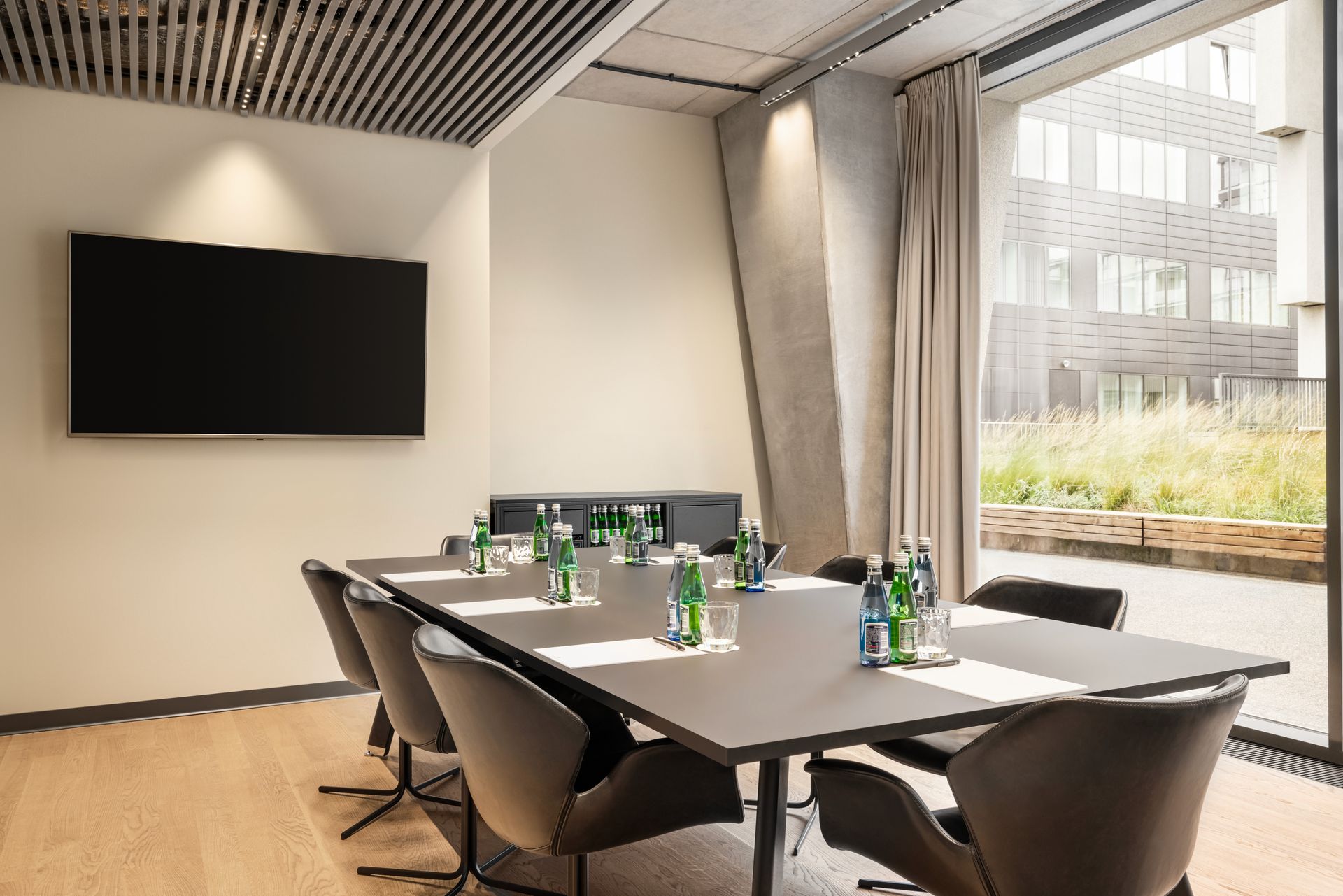
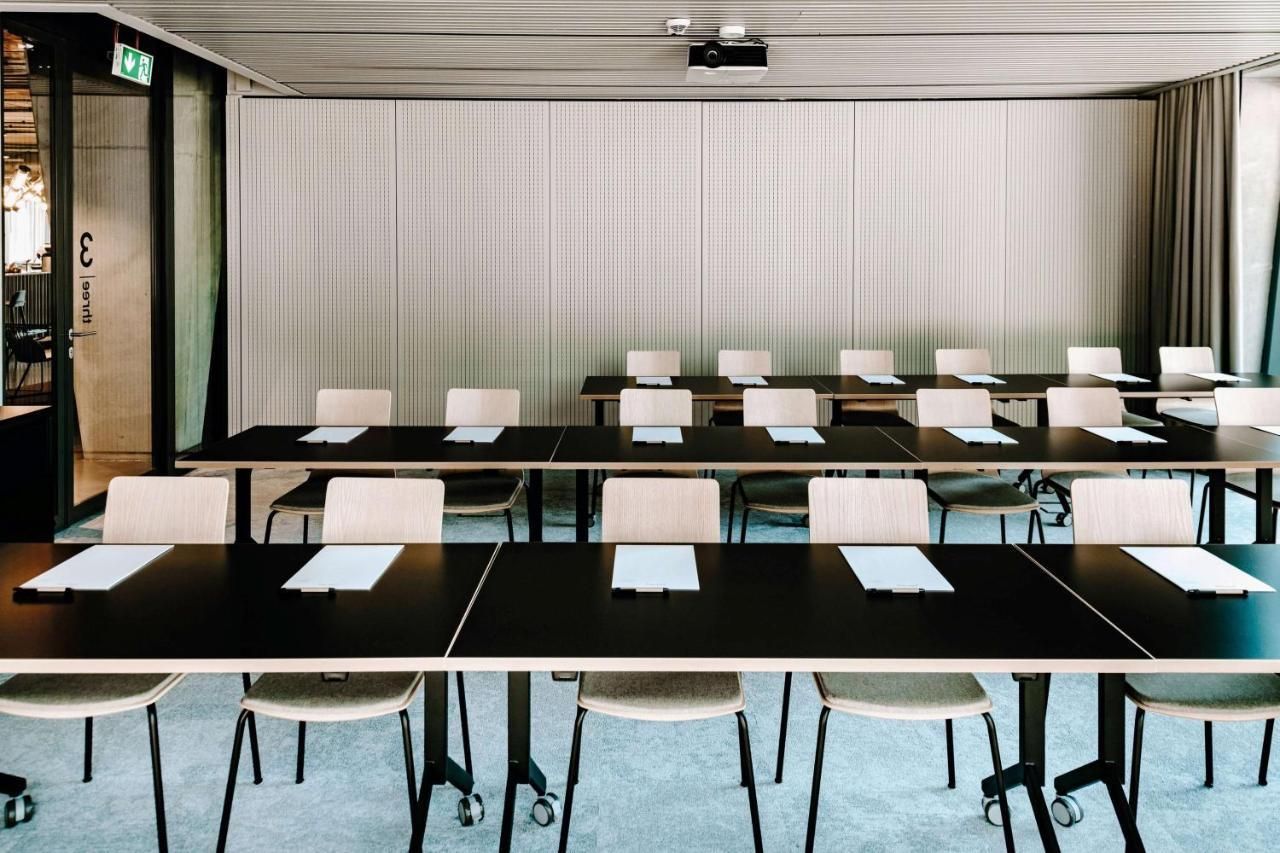
The hotel features 4 Meeting Rooms accommodating up to 150 people, within 180 m² of customizable conference space. Floor-to-ceiling windows ensure generous daylight, enhancing productivity and atmosphere. Whether arranged for product presentations, photoshoots, seminars or training sessions, the spaces are designed to move beyond the conventional boardroom setup. After experiencing a creatively configured meeting here, returning to a classic format feels almost outdated.
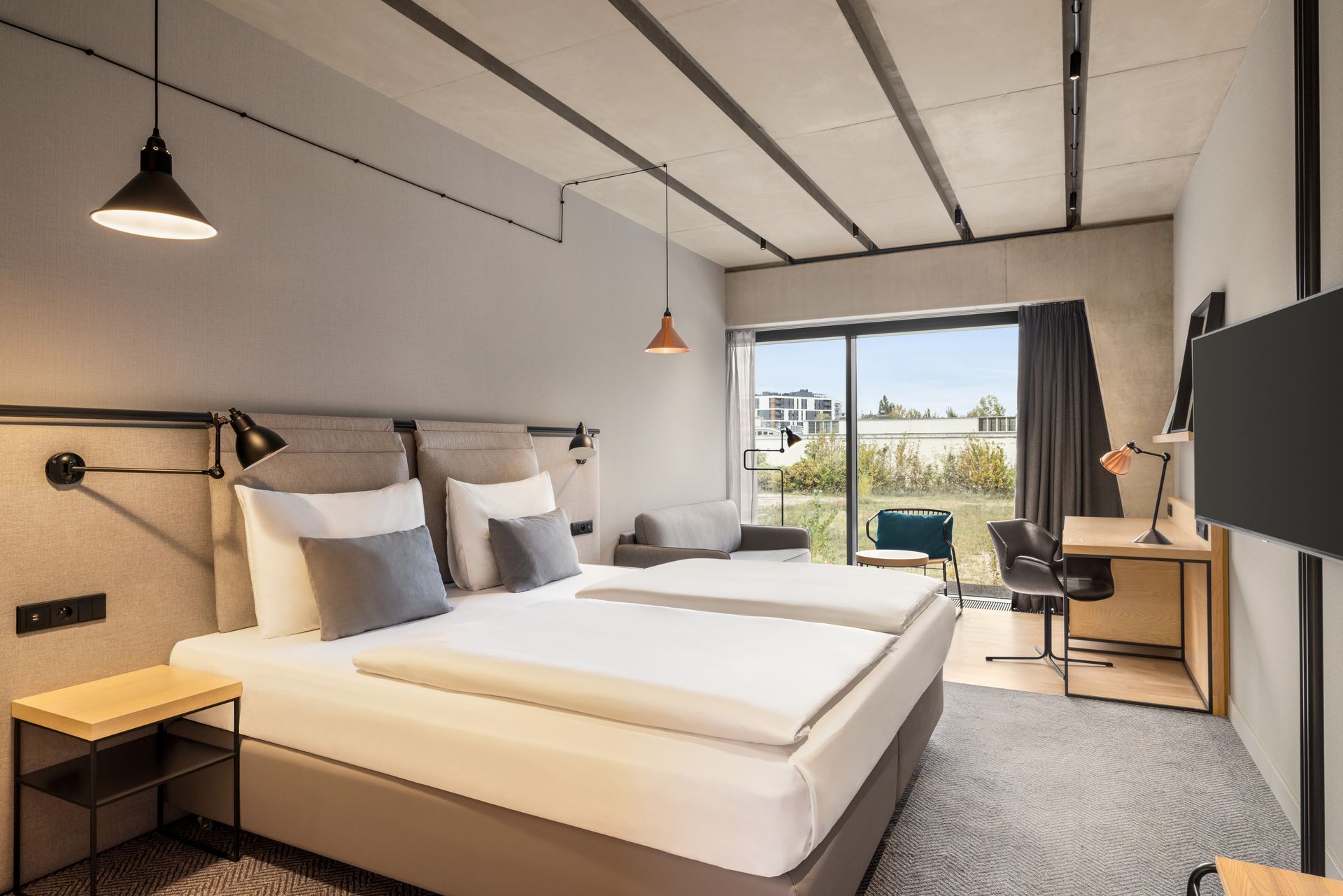
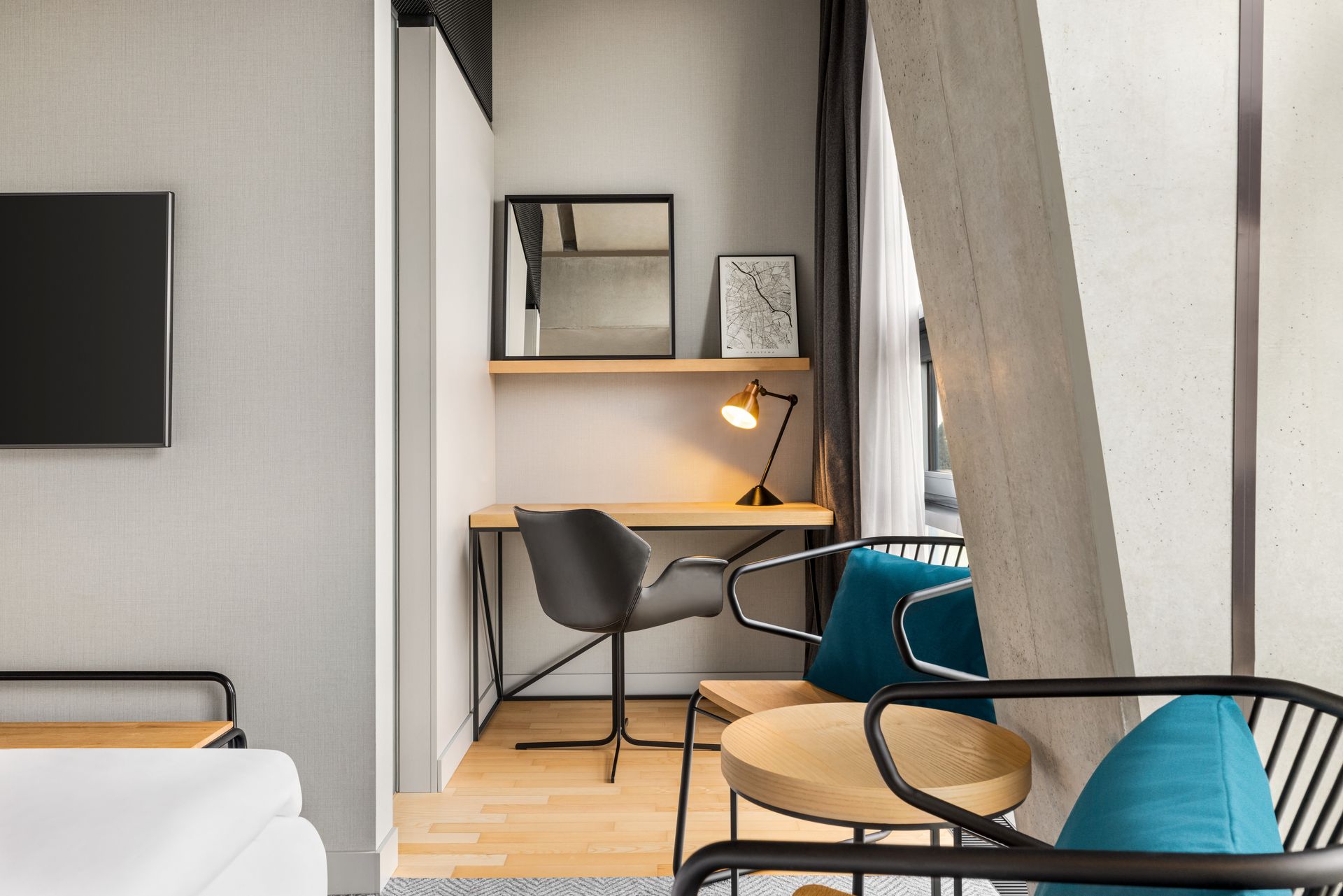
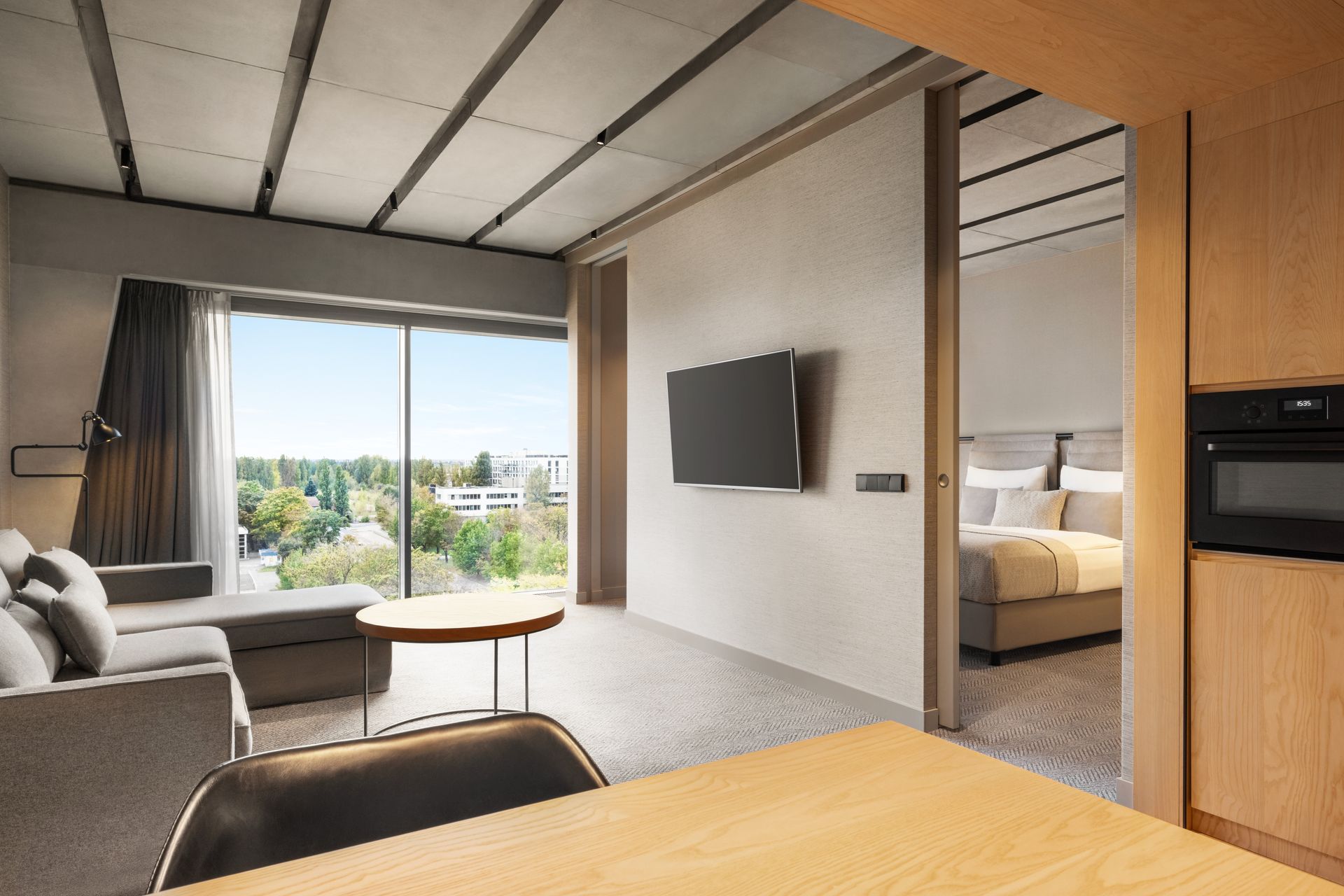
With 164 rooms across different categories, from Superior and Deluxe to spacious Suites, the hotel maintains a coherent design language throughout. The industrial inspiration is clear: exposed concrete frames the floor-to-ceiling windows, while the ceilings reveal structural blocks punctuated by integrated lighting that creates a subtle rhythm of symmetry and shadow. Yet the atmosphere never feels cold. Light wood finishes and soft textiles balance the raw surfaces, introducing warmth and tactility. All furniture is custom-made, with black metal bases that echo the industrial lighting details seen throughout the hotel.
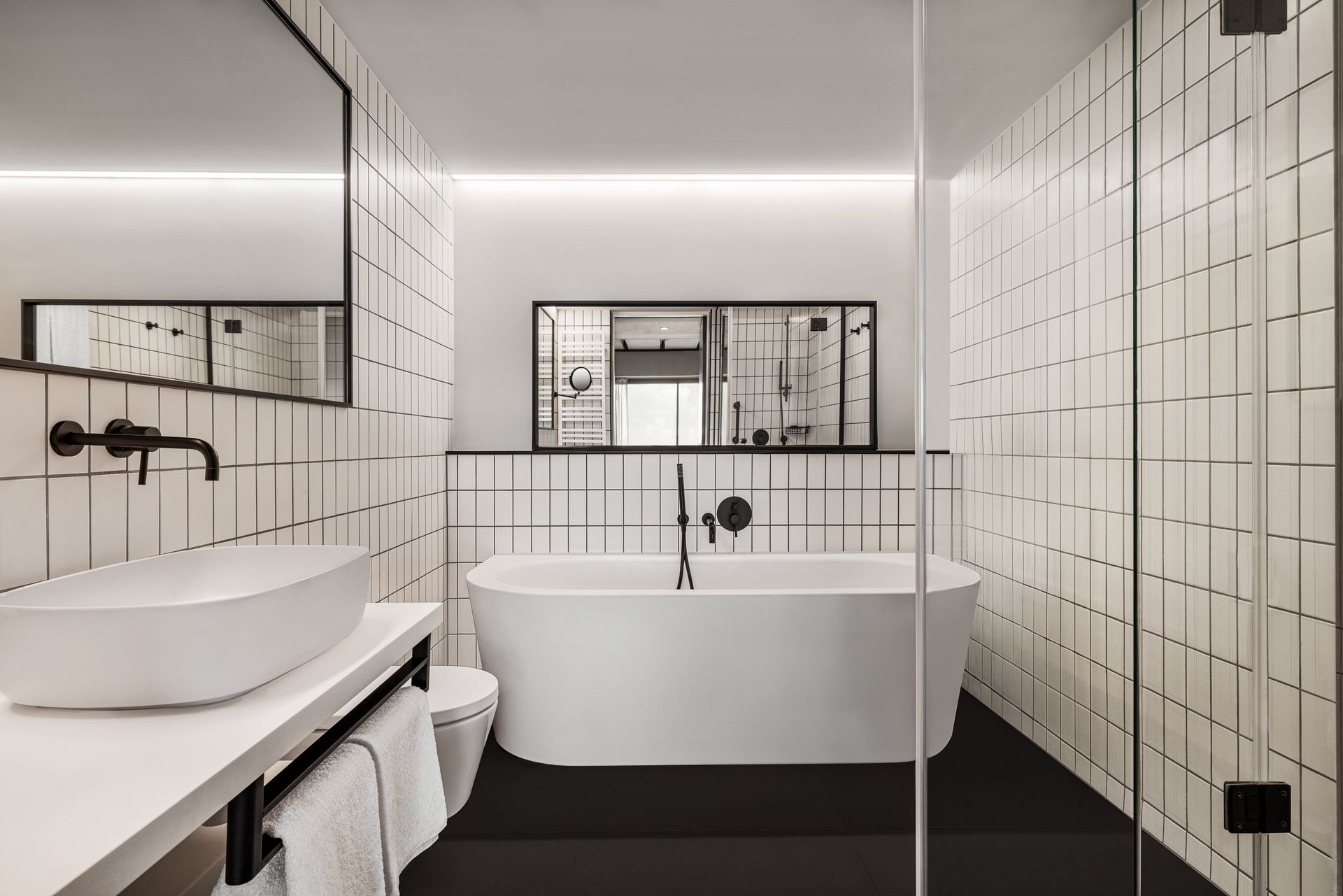
The bathrooms reinterpret the idea of wellness with a contemporary edge. Even in the smaller room categories, the space feels curated rather than compressed. A notable detail (aligned with one of the emerging 2026 interior trends) is the use of textured tiles in the shower, adding depth and material interest. In the Suites, the bathroom becomes almost spa-like, with generous proportions, walk-in showers, and a layout designed for comfort. Clean lines, thoughtful lighting, and balanced materials reinforce the hotel’s philosophy: industrial structure elevated by carefully integrated modern refinement.
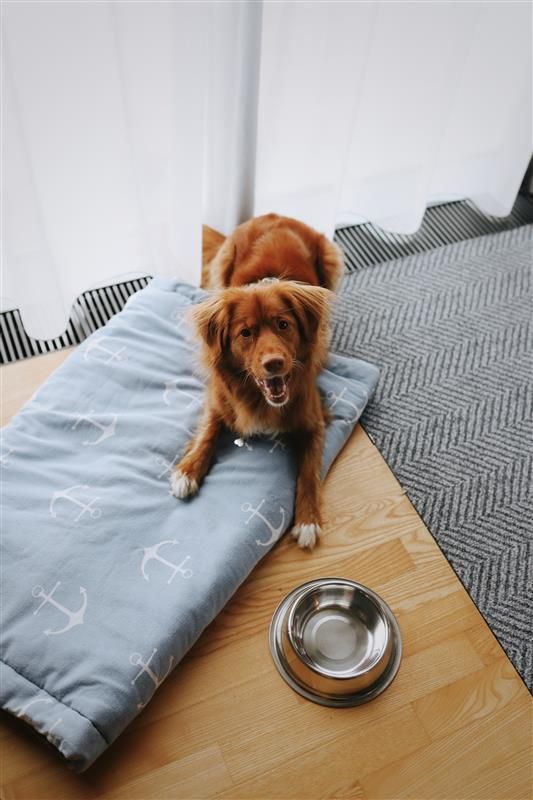
Pet-friendly and thoughtfully aligned with contemporary Sustainable values, Vienna House by Wyndham Mokotow Warsaw reflects a responsible approach to modern hospitality. The hotel integrates eco-conscious policies into its daily operations, from mindful resource management to environmentally aware practices that reduce its footprint. For ex., guests are rewarded with surprise gifts if they choose to forgo daily housekeeping - a practice increasingly adopted by hotels that represents a significant step in reducing energy and water consumption. This commitment to sustainability feels coherent with the overall architectural concept: innovative, forward-looking and in dialogue with the evolving identity of Warsaw — proving that design, comfort and environmental responsibility can coexist naturally.
SHARE THIS
Contribute
G&G _ Magazine is always looking for the creative talents of stylists, designers, photographers and writers from around the globe.
Find us on
Latest News

Subscribe
Keep up to date with the latest trends!
Popular Posts